
DIY vs Professional Contractors: When to Call an Expert for Structural Wall Changes
4173 | Slug: diy-vs-professional-contractors-when-to-call-an-expert-for-structural-wall-changes---
There are things in life you can absolutely teach yourself.
Cooking? YouTube and a few burnt dinners will get you there. Changing a tire? One flat on I-35 during rush hour and you'll never need a tutorial again. Painting a room? Buy good tape, watch a three-minute video, pour yourself something cold, and have at it.
Then there are things where "figuring it out as you go" is the difference between an amazing experience and a catastrophic one.
Like skydiving.
Nobody -- and I mean NOBODY -- should figure out skydiving on their own. You don't watch a video, strap on a parachute you bought on Amazon, and jump out of a Cessna at 14,000 feet while whispering "how hard can it be?"
And yet... that's essentially what thousands of homeowners do every year when they decide to remove a load-bearing wall themselves.
They watch the video. They buy the tools. They think they understand the physics. And they JUMP.
Some of them land safely. Most of them don't realize they're falling until the floor starts sagging six months later.
Let's talk about when you can safely solo this -- and when you absolutely need an instructor strapped to your back.
The Tandem Zone: What You CAN DIY
Let's be fair. Not every wall project requires professional intervention. There are legitimate DIY wins in the world of home renovation, and we're not going to gatekeep them.
Non-load-bearing wall removal is the tandem jump of home improvement. It's still exciting. You still get the rush of transformation. But the risk is manageable for someone with basic skills and common sense.
Partition walls -- the ones that just divide rooms without carrying structural load -- can often be removed by a competent homeowner. You still need to:
- Confirm it's actually non-load-bearing (this is where people mess up)
- Turn off power and reroute any electrical
- Handle plumbing if present
- Patch the floor, ceiling, and adjacent walls
But the structural stakes are LOW. If you make a mistake on a partition wall, you end up with an ugly ceiling patch, not a collapsing second floor.
Cosmetic upgrades around structural walls are also fair game. Adding a pass-through window, installing shelving, updating trim work -- these are the ground-level skydives. Three feet off the ground with a foam pit below.
⭐️⭐️⭐️⭐️⭐️ "I recently hired Load Bearing Wall Pros for a family room remodel project, and I couldn't be more satisfied with their service." -- Sunaina Verma, Plano
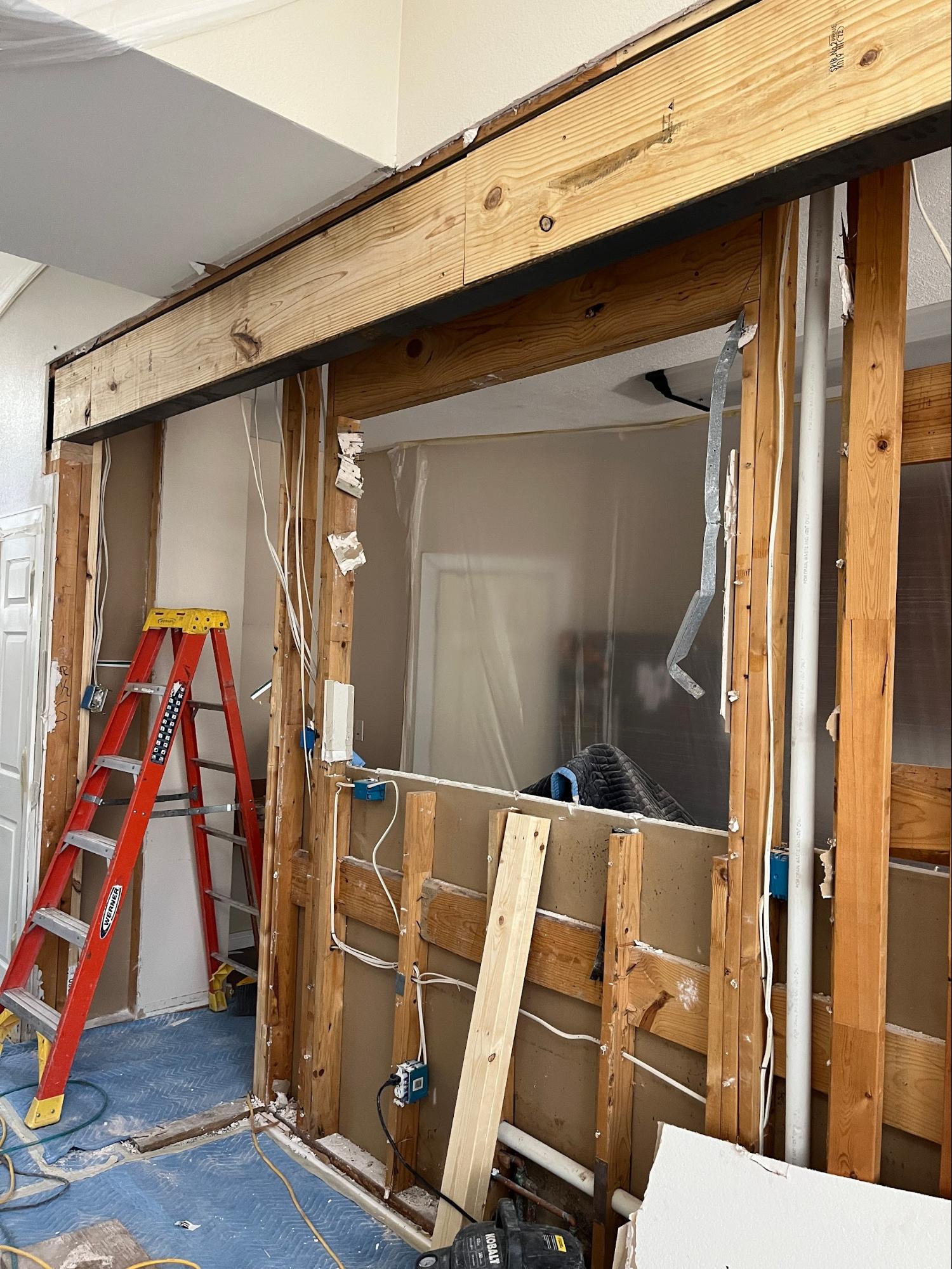
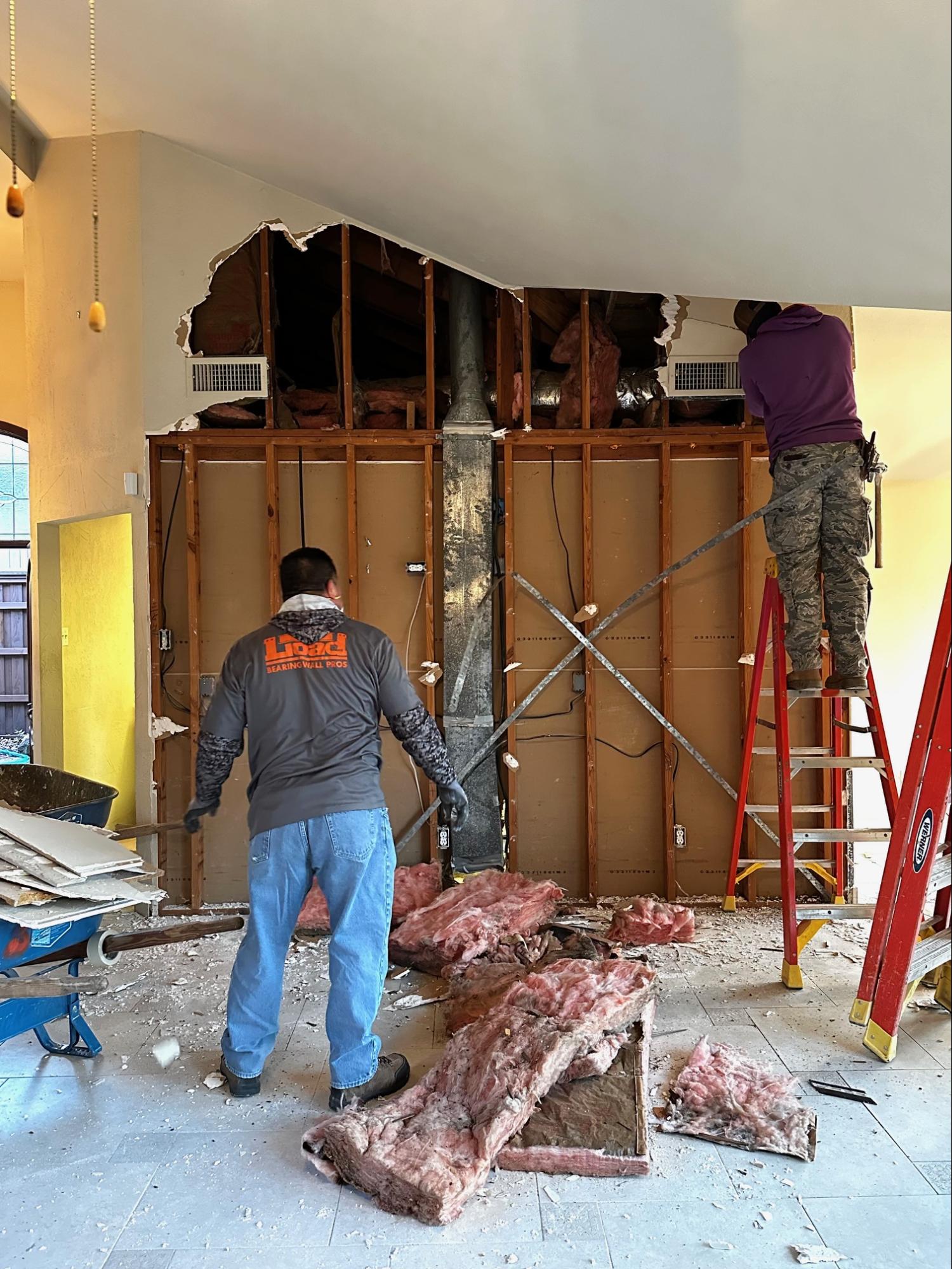
The Free Fall Zone: What You Should NEVER DIY
Here's where the metaphor gets real. Removing or modifying a load-bearing wall without professional help is BASE jumping without a parachute. You might survive. But the odds are not in your favor, and the failure mode is SPECTACULAR.
Load-bearing wall removal involves:
- Structural analysis of load paths through your entire home
- Engineering calculations for beam sizing
- Temporary support installation to prevent collapse during work
- Precision demolition that doesn't disturb adjacent framing
- Beam installation with proper bearing points
- Joist hanger connections at every point
- Permit acquisition and code compliance
- Final inspection to verify structural integrity
Miss ANY ONE of those steps, and you're in free fall without a chute.
The terrifying part? DIY structural failures are often SILENT. The wall comes out. The beam goes in. Everything LOOKS fine. The homeowner posts their before-and-after on Instagram and collects the likes.
Then, three months later, the doors start sticking. Six months, the drywall cracks. A year in, the floor above has a noticeable slope. By the time they realize something's wrong, the repair costs are triple what the professional job would have been.
⭐️⭐️⭐️⭐️⭐️ "Load Bearing Wall Pros delivered exceptional service from start to finish. Their team was highly professional, efficient, and super fast. The price was very competitive, and their expertise was evident throughout the project." -- Anita Simmons, Plano
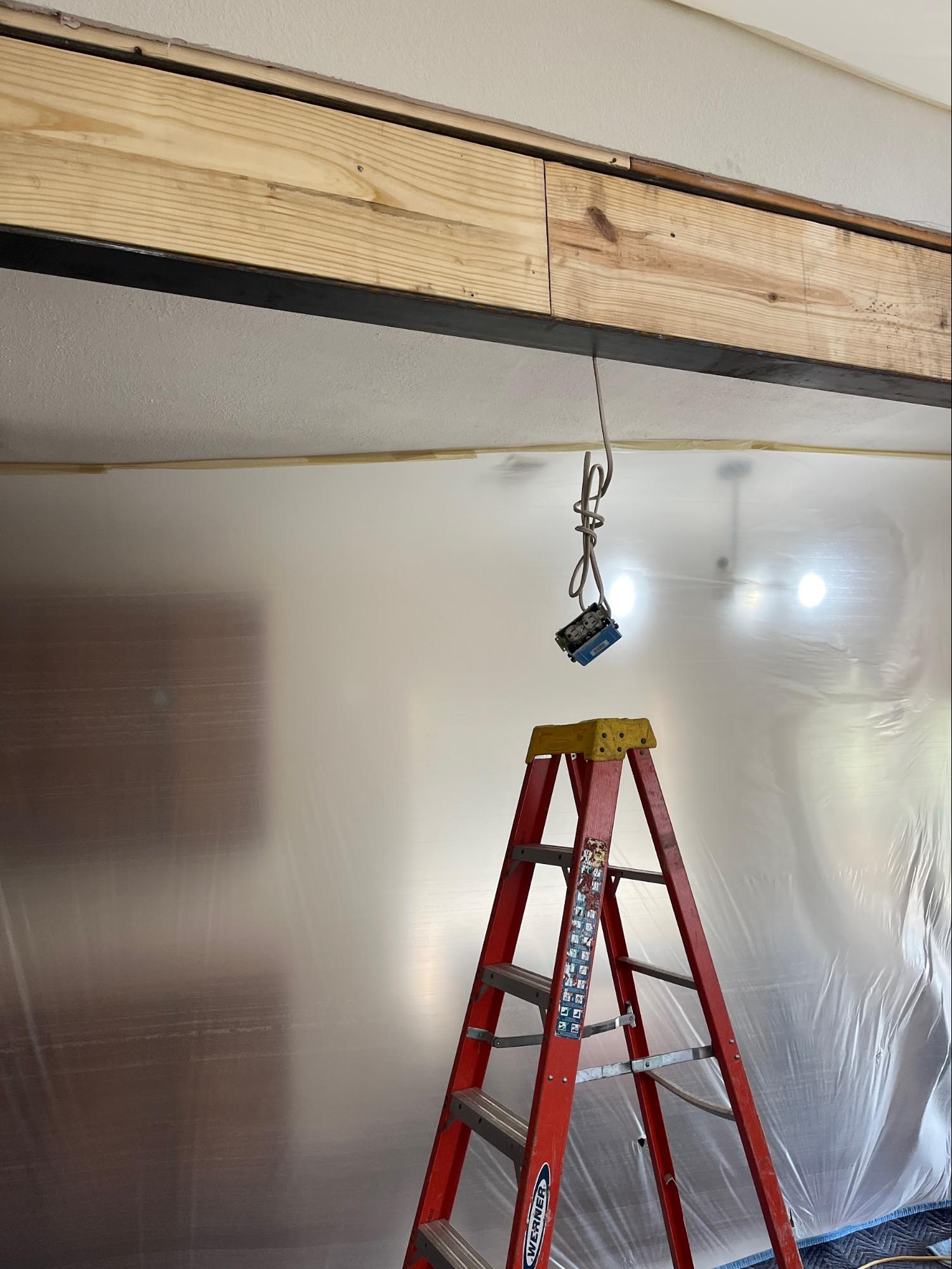
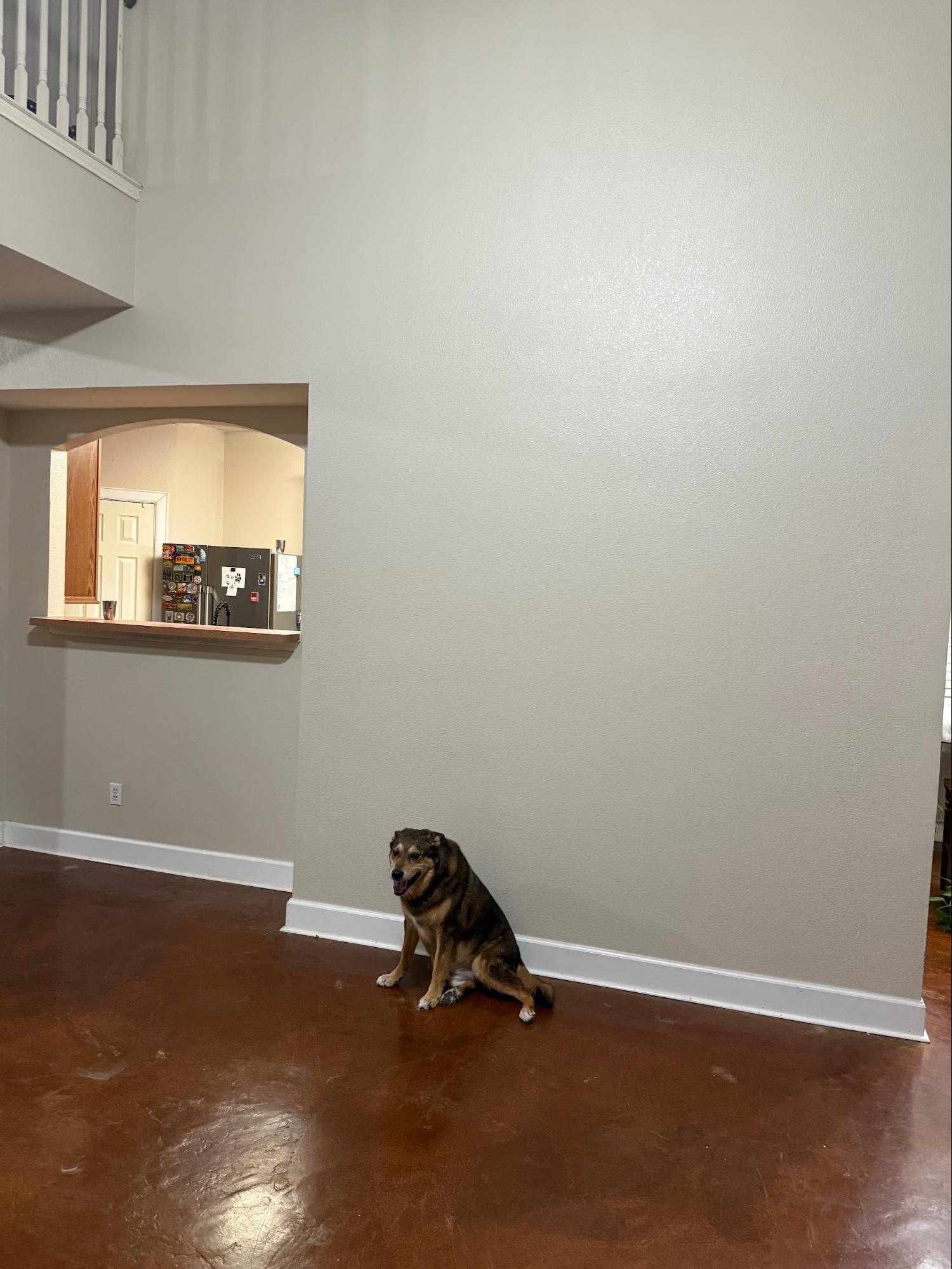
The Physics Lesson (Why Walls Aren't Just Walls)
Here's what the YouTube videos don't teach you: your house is a SYSTEM.
Think of it like a skydiving rig. The main canopy, the reserve chute, the harness, the AAD (automatic activation device), the risers, the toggles -- they all work together. Remove one component, and the whole system behaves differently.
Your house works the same way. The roof pushes weight down to the walls. The walls push weight to the foundation. The joists tie it all together laterally. Remove a load-bearing wall, and you haven't just taken out a wall -- you've removed a critical component from an interconnected system.
A professional understands the SYSTEM. They know that removing a wall on the first floor affects the roof load path. They know that a beam needs bearing points that reach the foundation, not just the subfloor. They know that joist direction, span tables, point loads, and distributed loads all factor into the engineering.
A DIYer sees a wall. A professional sees a SYSTEM.
The Instructor Advantage: What Pros Bring to the Jump
So what exactly do you get when you hire a professional for load-bearing wall work? Let's be specific:
Structural Engineering. Not a guess. Not a span table. A licensed professional engineer calculating YOUR loads for YOUR house. At LBWP, Mateo Galvez (our in-house PE) does this for every single project. He's the instructor who's checked the chute, verified the altitude, and confirmed the landing zone.
Experience at Scale. LBWP has done this 12,000+ times since 2015. That's not a marketing number -- that's 12,000 houses where a wall came out, a beam went in, and the homeowner woke up the next day in an open floor plan that actually works. Your DIY video instructor has done it... once? Maybe?
Speed. Most LBWP projects complete in ONE DAY. One. Day. Protection, temporary support, demolition, beam installation, joist hangers, cleanup. Done by dinner. A typical DIY attempt? Weeks. Sometimes months. Sometimes the project stalls halfway and you're living with a half-demolished wall and plastic sheeting for six months while you "get around to it."
Insurance and Warranty. Professional work comes with LBWP's lifetime warranty and $2M insurance. DIY work comes with... your homeowner's insurance, which probably won't cover damage from unpermitted structural modifications you made yourself.
Permits and Code Compliance. Pros handle the permits, the inspections, the paperwork. When you sell your house and the buyer's inspector asks "was this wall removal permitted?", you've got an answer. DIY? You've got a problem.
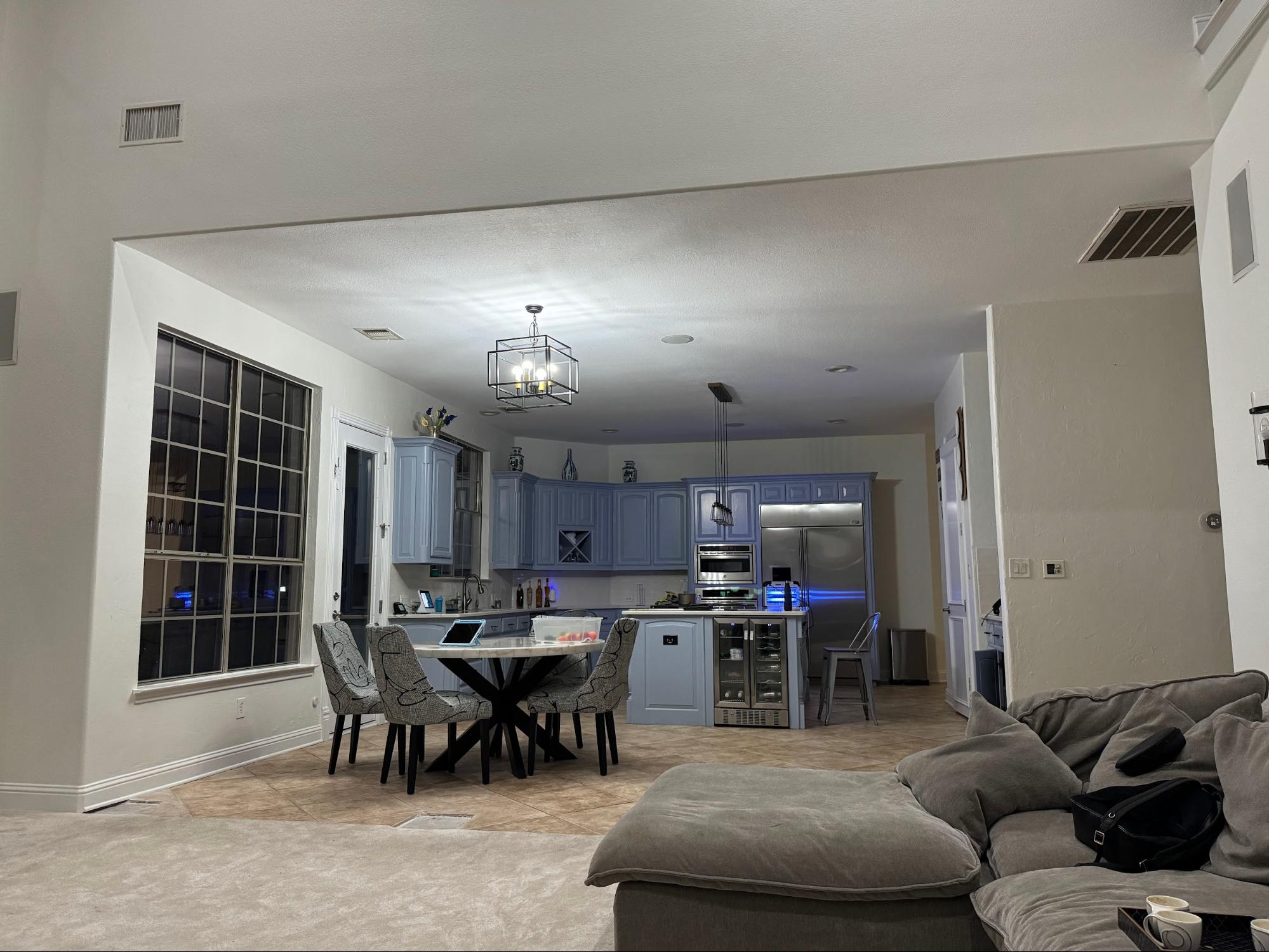
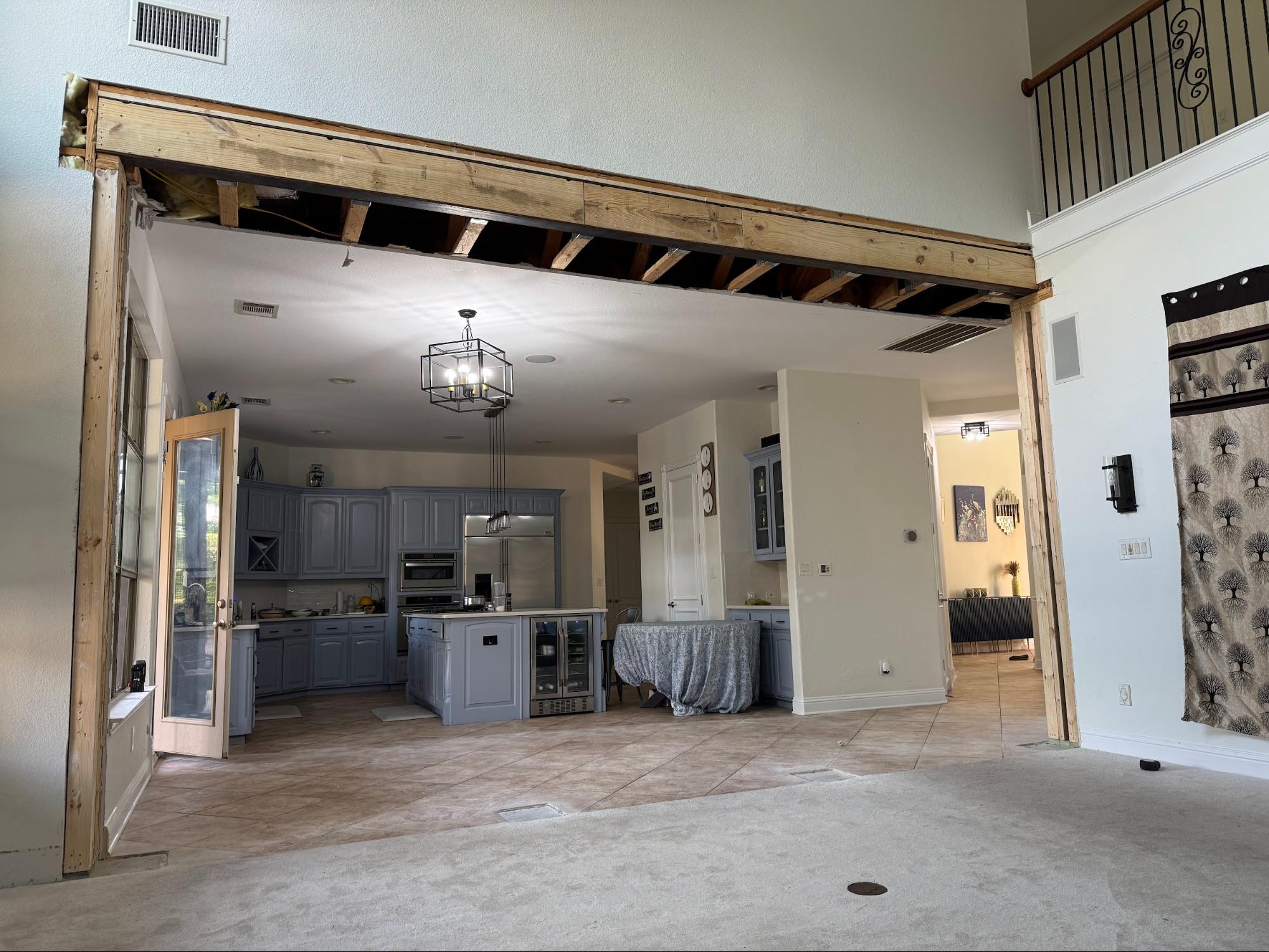
⭐️⭐️⭐️⭐️⭐️ "We used Load Bearing Wall Pros to remove a large load-bearing wall between our kitchen and living room. This was the biggest wall in our home, and with our high ceilings, naturally, we were very anxious about the project." -- Sammed Mandape, Plano
The "I'll Save Money" Myth
This is the biggest lie in DIY structural work. Let's do the math:
Professional job (LBWP): $7,000-$14,000 all-in. Engineering, beam, labor, permits, cleanup, warranty.
DIY attempt:
- Beam materials: $1,500-$4,000
- Tool rental (temporary support, saws, etc.): $500-$1,000
- Permit (if you even get one): $200-$500
- Your time: 40-80+ hours (what's your hourly rate?)
- Potential rework if inspector fails it: $2,000-$5,000
- If something goes wrong: $15,000-$40,000+ in structural repairs
The "savings" on a DIY job disappear FAST. And they go negative the moment you have a problem.
It's like saying you'll save money by packing your own parachute. Sure, the chute costs less. But the insurance policy for when you pack it wrong is going to be BRUTAL.
The Decision Framework: Ask These 5 Questions
Not sure whether to DIY or call a pro? Here's your pre-jump checklist:
1. Is the wall load-bearing?
If yes -> call a pro. Full stop. Do not pass Go.
If no -> DIY is potentially on the table.
2. Are there utilities in the wall?
Electrical, plumbing, or HVAC means added complexity, even for non-load-bearing walls. If it's more than a couple of outlets, consider professional help.
3. Is the project permitted?
If your municipality requires a permit for the work (most do for structural changes), the permit process itself often requires professional involvement.
4. What's your HONEST skill level?
Not your aspirational skill level. Not what you think you could figure out. What have you actually DONE successfully that's comparable?
5. What's the cost of failure?
For a partition wall: ugly patches and some rework. For a load-bearing wall: structural damage, safety hazards, insurance issues, and resale value destruction.
If questions 1-3 point toward professional help, don't overthink it. Call the instructor. Strap in. Enjoy the jump.
FAQ
Can I just hire an engineer and do the work myself?
You can hire an engineer for the design, but executing the work requires skill, experience, and often a licensed contractor for permit compliance. An engineer's plan is only as good as the person implementing it.
How do I know if a contractor is qualified for structural work?
Ask about their engineering process, their insurance, their warranty, and how many structural projects they've completed. LBWP has 12,000+ completed projects and an in-house PE -- that's the benchmark.
What if a contractor gives me a quote that's way cheaper than others?
Ask what's NOT included. Cheap quotes often exclude engineering, permits, inspections, or proper beam sizing. The cheapest parachute on the shelf isn't the one you want to bet your life on.
Is it legal to do structural work on my own home?
In most Texas jurisdictions, homeowners can legally do work on their own primary residence. But structural changes typically require permits and inspections, and if the work doesn't pass inspection, you'll need to redo it -- usually by hiring a professional.
What's the worst that can happen with a DIY wall removal?
Immediate: ceiling collapse, injury, or worse. Long-term: floor sagging, wall cracking, foundation issues, insurance claim denial, and inability to sell the home. The failure modes are expensive at best and dangerous at worst.
---
Know when to jump solo and when to jump tandem. For load-bearing walls, ALWAYS jump tandem. Call Load Bearing Wall Pros at 469-813-8143 (DFW), 713-322-3908 (Houston), or 512-641-9555 (Austin). We've got 12,000+ safe landings under our belt.