
What Removing a Load-Bearing Wall Really Involves
237 | Slug: load-bearing-wall-removal-guide---
Let's get one thing straight: removing a load-bearing wall is open-heart surgery for your house.
Not a checkup. Not a teeth cleaning. Not slapping a Band-Aid on a scratch and calling it done. We're talking about cracking open the chest, rerouting the critical systems that keep the whole body alive, and putting it back together better than it was before.
Sounds intense? Good. It SHOULD sound intense. Because when someone tells you "it's just knocking out a wall," they're either lying or they've never done it. That's like saying heart surgery is "just cutting a hole." Technically true. Dangerously incomplete.
But here's the other side: when it's done RIGHT -- by a surgical team that's done it thousands of times -- the patient walks out stronger, healthier, and living a whole new life. Your house is no different.
So let's scrub in. Here's what actually happens when you remove a load-bearing wall.
The Pre-Op: Understanding What You're Working With
No surgeon operates without imaging first. MRIs. CT scans. X-rays. They need to see what's inside before they cut.
Same principle. Before ANYTHING gets demolished, professionals need to understand what that wall is doing. Not what it LOOKS like it's doing -- what it's ACTUALLY doing.
A load-bearing wall is part of your home's circulatory system. It takes weight from above -- roof, upper floors, attic -- and pumps it downward through the structure to the foundation. Remove it, and that weight doesn't evaporate. It has to go SOMEWHERE. And if you haven't planned where, it goes everywhere. Floors sag. Ceilings crack. The patient crashes.
> "I have had a very pleasant time working with this company. They were responsive and tried to work within my schedule and budget. The workers were incredibly kind and efficient. Having the peace of mind with the engineers report they give is wonderfu..." -- Emily Stokes, Plano
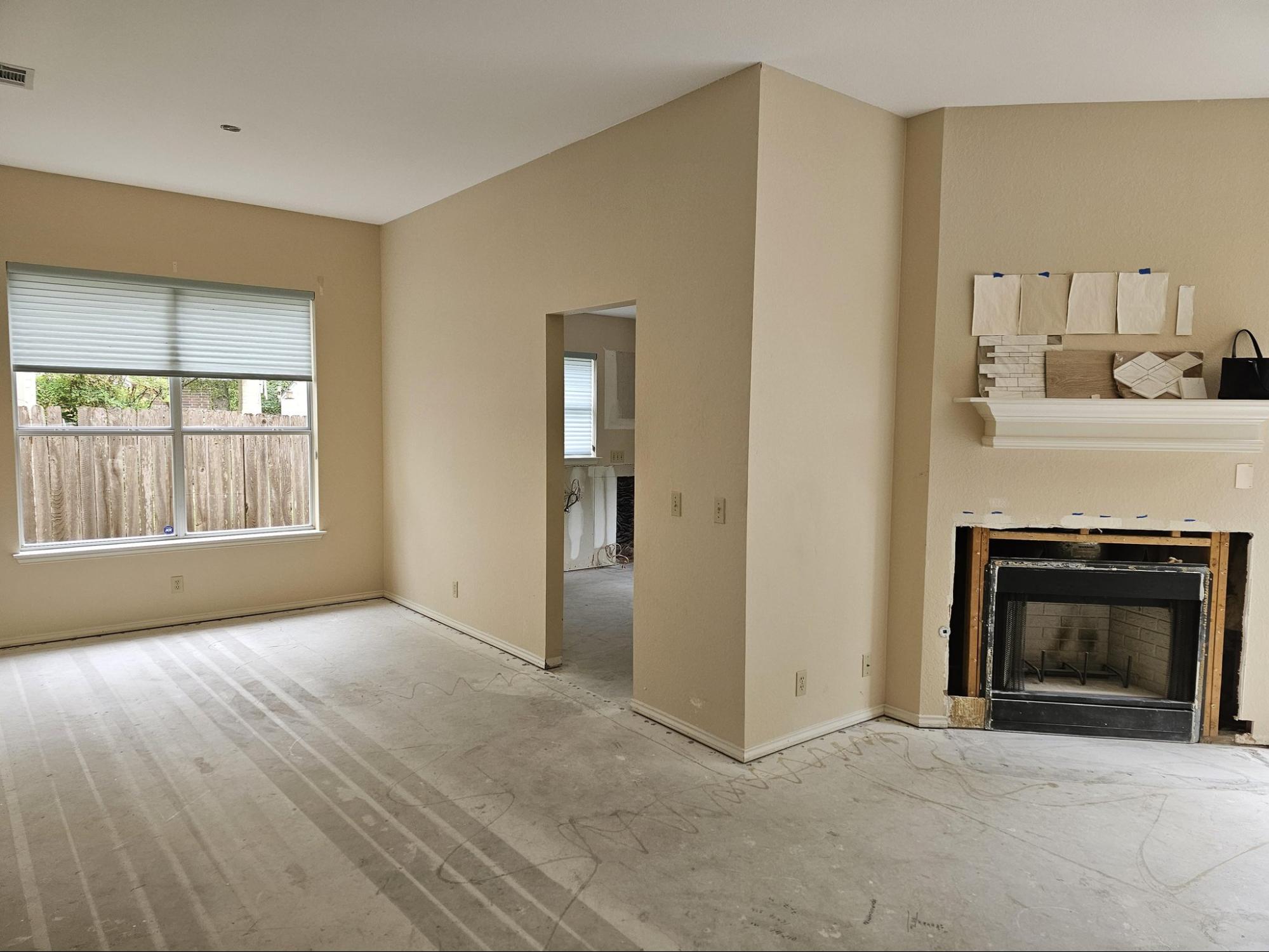
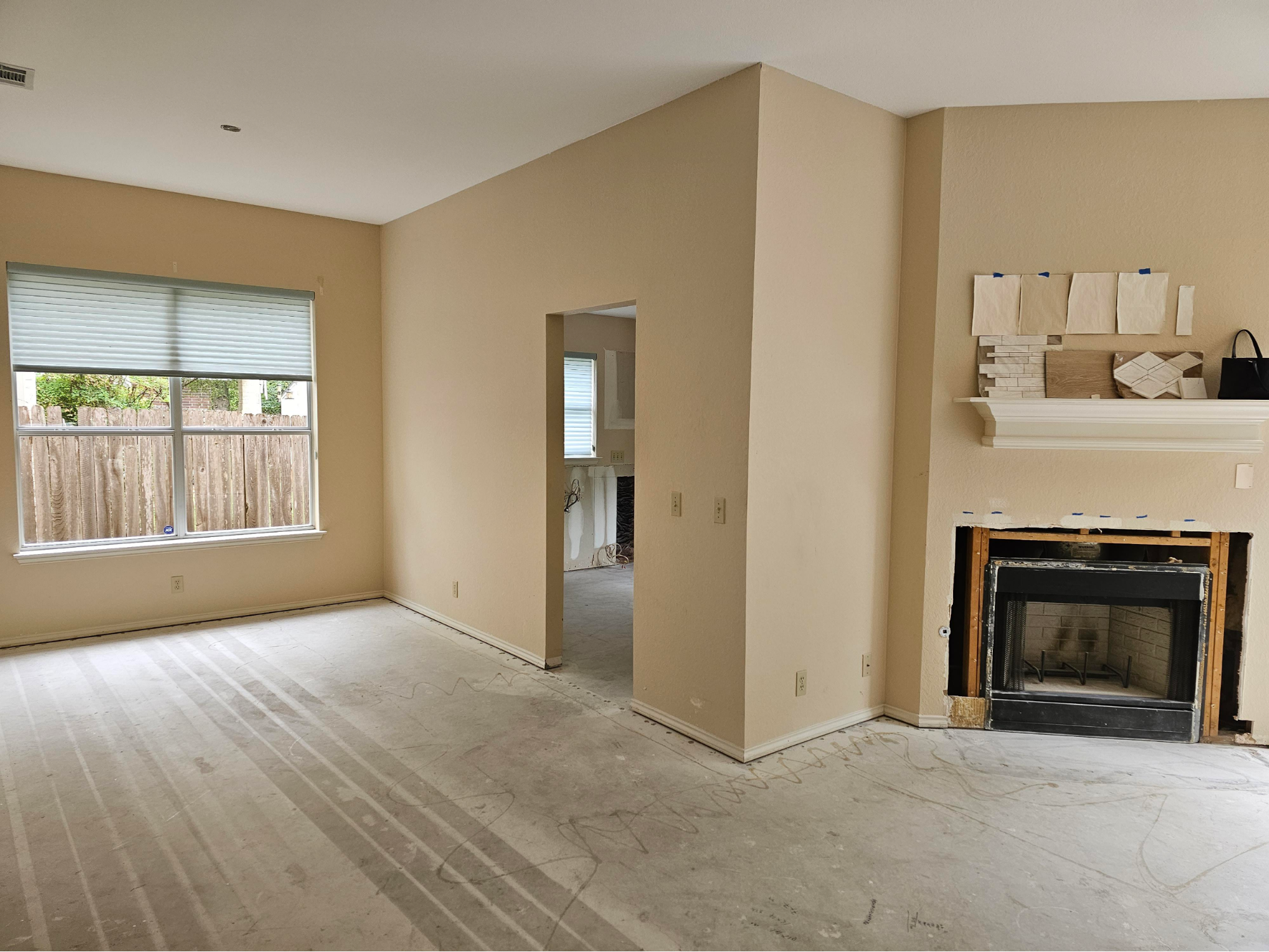
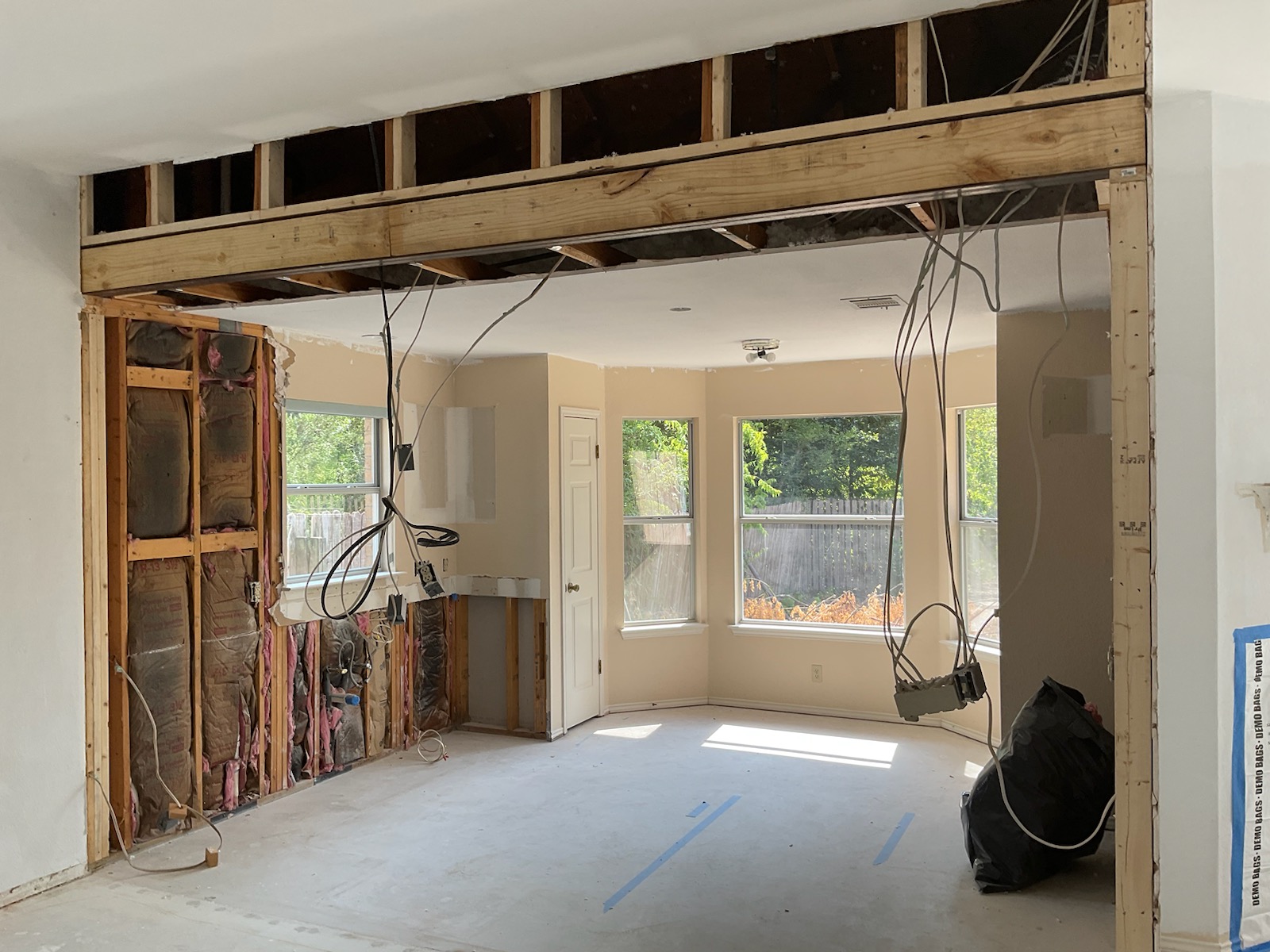
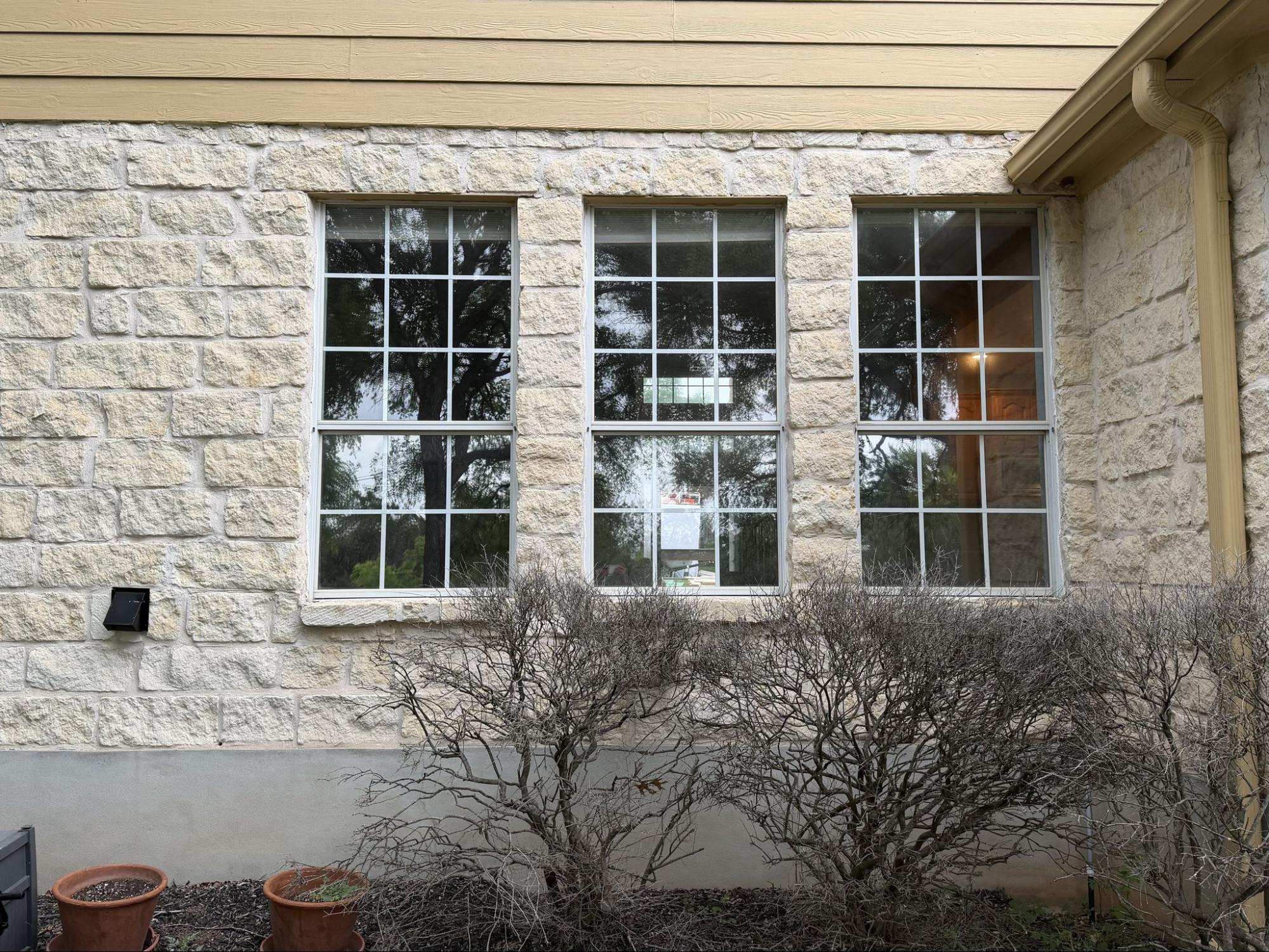
The evaluation phase involves checking joist direction, inspecting what's above and below the wall, reviewing original building plans (if they exist), and sometimes opening small sections of drywall to see the framing directly. This is the diagnostic imaging. Skip it, and you're operating blind.
The Anesthesia: Temporary Support
Before you can touch the wall, you have to keep the patient stable.
In surgical terms, this is anesthesia -- putting the house into a controlled, supported state so you can work on it safely. In construction terms, it's called TEMPORARY SHORING.
Temporary support walls or adjustable posts are installed parallel to the wall being removed. They take over the wall's job -- carrying the load from above -- while the real wall comes out and the permanent replacement goes in.
This step is NON-NEGOTIABLE. We don't care if the wall is six feet long or sixteen. We don't care if it "doesn't look like it's doing much." Temporary support goes in FIRST. Every time. No exceptions.
Think of it this way: you wouldn't remove someone's heart while it's still beating without putting them on bypass first. Same logic. The temporary support IS the bypass machine.
The Incision: Controlled Demolition
Now we cut.
But "demolition" is a misleading word. It conjures images of sledgehammers and dust clouds and that guy on HGTV dramatically swinging through drywall while wearing designer jeans.
Real load-bearing wall removal looks nothing like that. It's SURGICAL. Methodical. Controlled.
Here's the sequence:
Power down. Electricity to the area gets shut off. There's wiring in most walls, and you don't want any surprises.
Protection goes up. Floors get covered with moving blankets. Adjacent rooms get sealed with plastic sheeting. Your furniture, your floors, your sanity -- all protected.
Drywall comes off first. This exposes the framing so the team can see EXACTLY what they're working with. No guessing. You can see the studs, the top plate, the bottom plate, any blocking, and whatever else is hiding in there.
Studs come out one at a time. Not all at once. Not with a wrecking ball. One. At. A. Time. While the temporary support holds everything above.
> "I was nervous about the mess. They covered everything, sealed off the rooms, and when they pulled the wall out, it was like watching a surgical team -- methodical, precise. My floors were spotless after." -- Carol Cyrus Thiel, DFW
The Transplant: Installing the Beam
This is the main event. The reason we're here. The moment the wall's job gets permanently transferred to something stronger, sleeker, and invisible.
The beam is the TRANSPLANTED ORGAN. It takes over the exact function the wall was performing -- carrying load from above and delivering it to the foundation -- but it does it across an open span. No wall needed. Just a beam, sitting up in the ceiling line, doing its job quietly.
Beam sizing isn't guesswork. It's ENGINEERING. The span length, the load above, the type of structure, the bearing points at each end -- all of these get calculated to determine exactly what beam is needed. At LBWP, our in-house PE (Mateo Galvez) handles this. Not a generic chart. Not a "this should work." Actual engineering for YOUR specific house.
Common beam types:
- Steel I-beams -- strongest option, ideal for long spans and heavy loads. These are the titanium hip replacements of the beam world.
- LVL (Laminated Veneer Lumber) -- engineered wood that's incredibly strong, lighter than steel, and often more cost-effective. The composite heart valve -- proven, reliable, gets the job done.
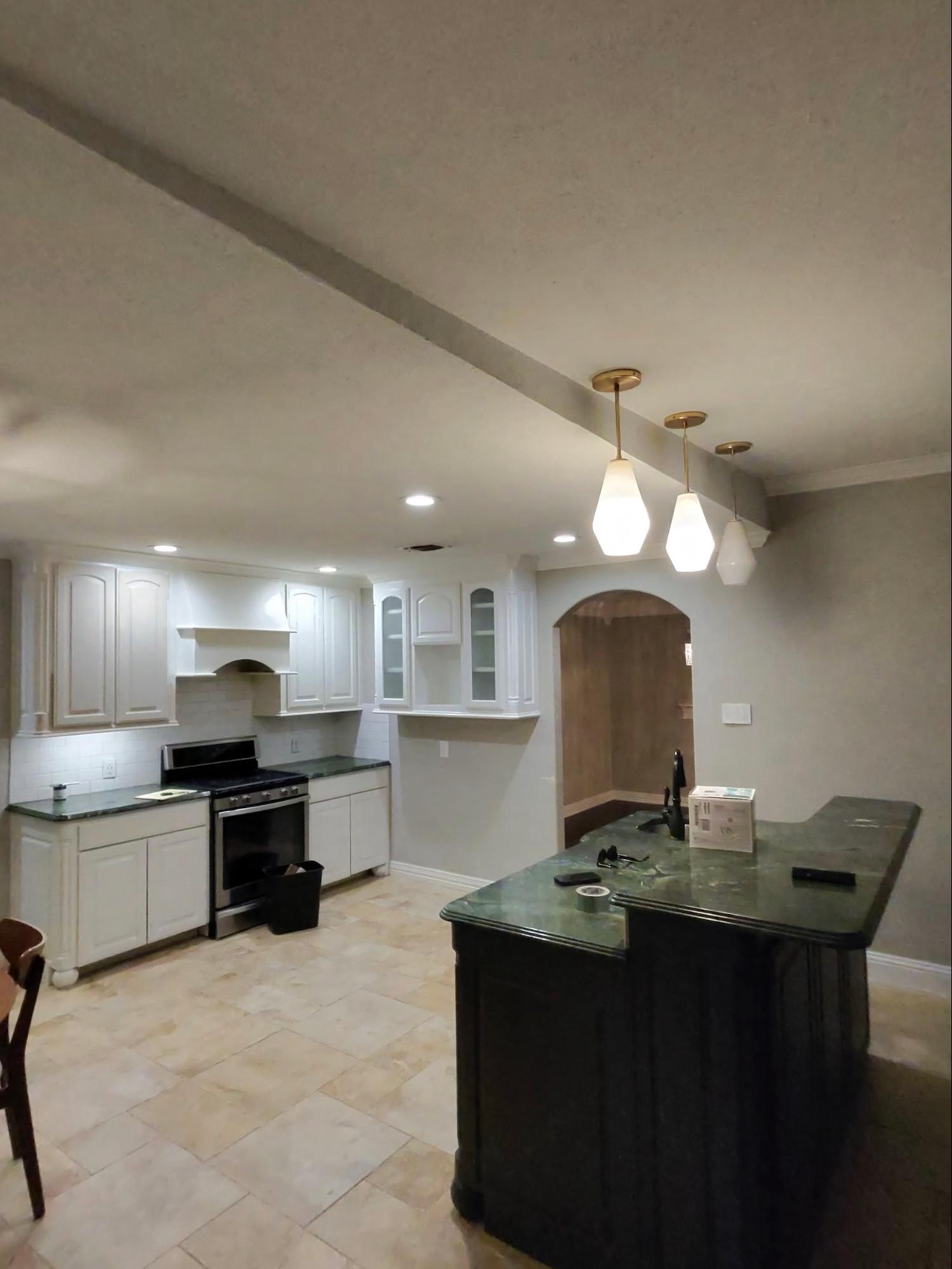
- Flush beams -- installed within the ceiling joist cavity so they're completely hidden. You'd never know the wall was there.
- Drop beams -- hang below the ceiling line. Visible, but can become an architectural feature.
The beam gets lifted into position, set on its bearing points, and secured. Joists are connected to the beam using joist hangers -- metal brackets that physically fasten each joist to the beam so the load transfers cleanly.
The Closing: Removing Temporary Support
Once the beam is installed and secured -- and ONLY once it's fully secured -- the temporary support comes down.
This is the moment in surgery where they take the patient off bypass and watch the new heart beat on its own. The beam takes the full load. The floors above stay level. The ceiling holds. The house is alive and well, running on its new system.
If anything shifted during installation -- even a fraction of an inch -- it gets corrected now. Shims, adjustments, final leveling. Precision matters here, because over the next fifty years, this beam will be silently carrying thousands of pounds. It needs to START perfect.
The Recovery Room: What Comes After
The structural work is done in ONE DAY with Load Bearing Wall Pros. That's right -- one day. From temporary support to final cleanup. Over 12,000 times.
But the "finishing" work -- the cosmetic stuff -- is separate. That's the rehab after surgery.
You'll need:
- Drywall patching where the wall used to be
- Flooring to fill the gap where the wall's bottom plate sat
- Paint to match existing walls and ceiling
- Possible electrical relocation if there were outlets or switches in the removed wall
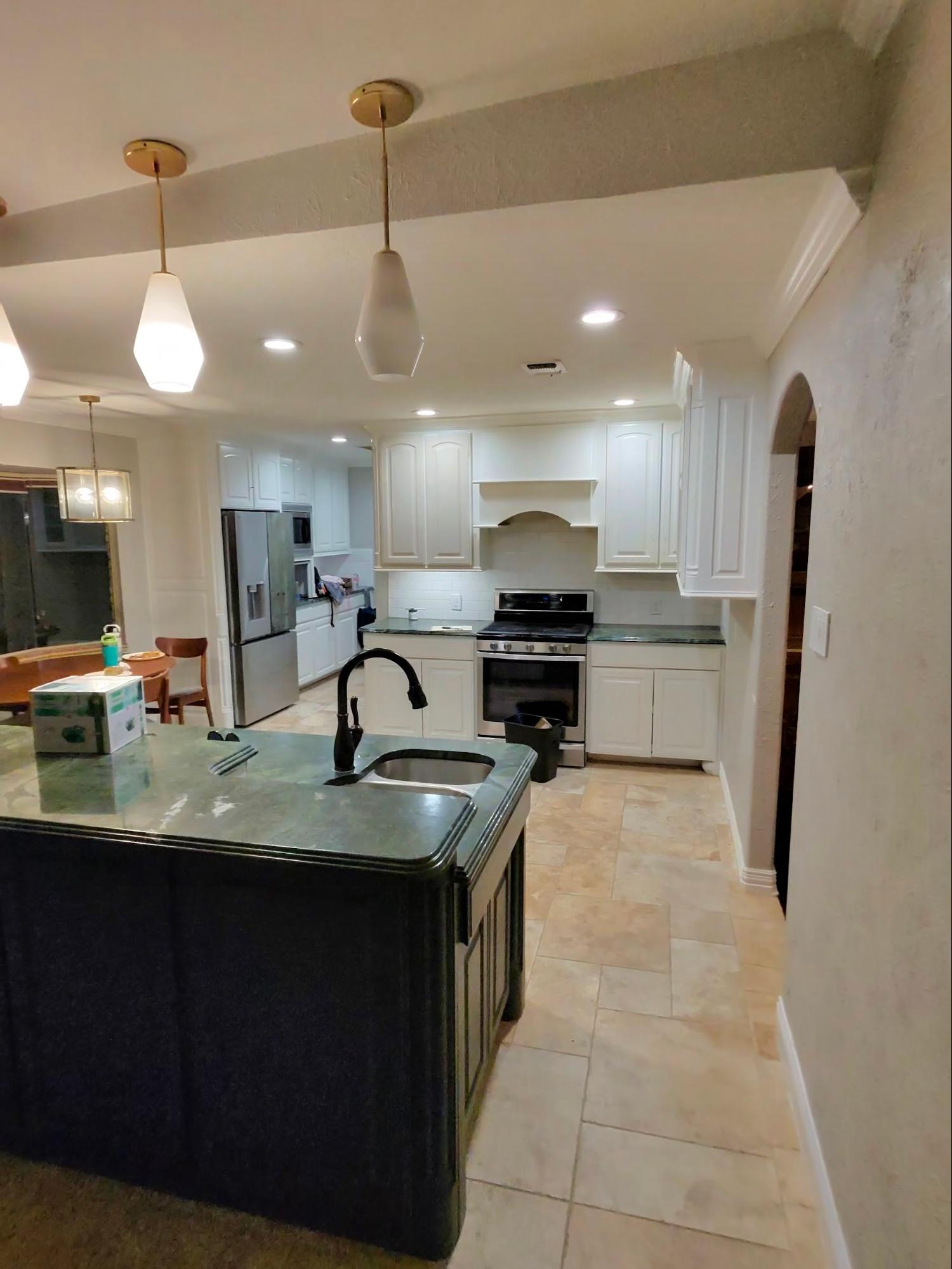
LBWP handles the structural surgery. The finishing work (drywall, paint, flooring) is typically done by your finishing crew or general contractor. We'll leave you with a structurally perfect canvas -- they make it pretty.
> "Work was done quickly and efficiently. Also the guys that came were very knowledgeable!..." -- kittykatmeowz T, Austin
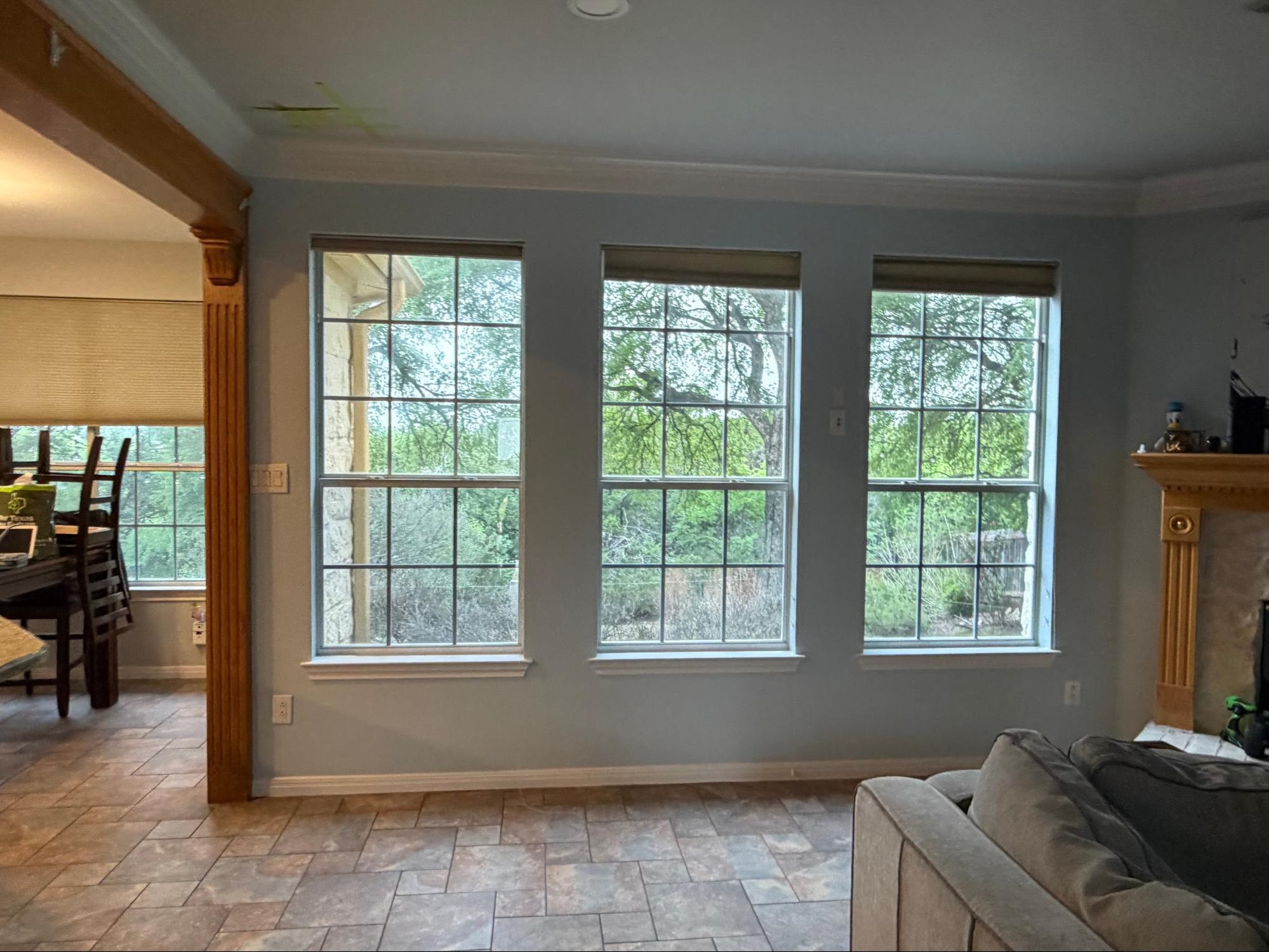
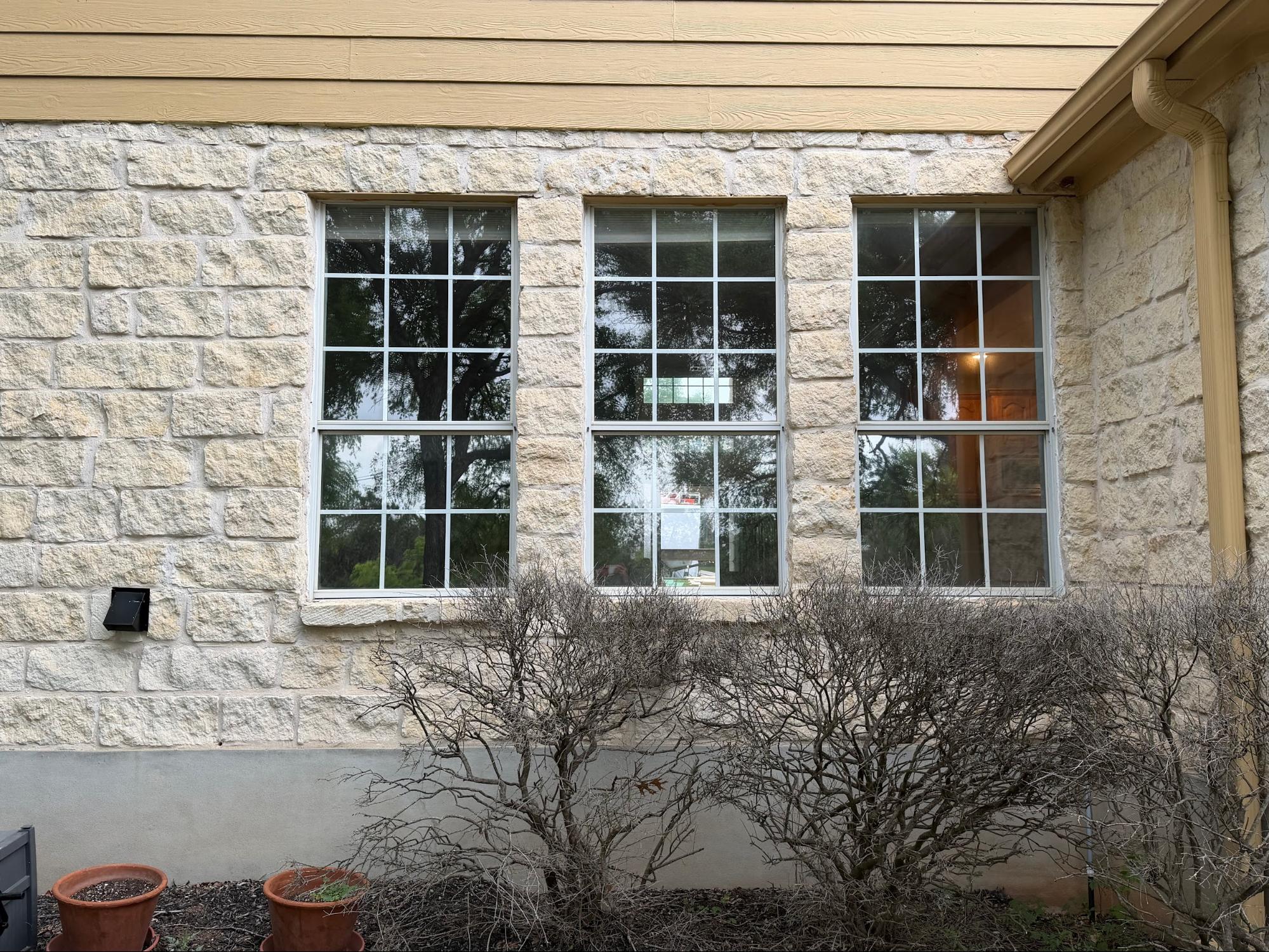
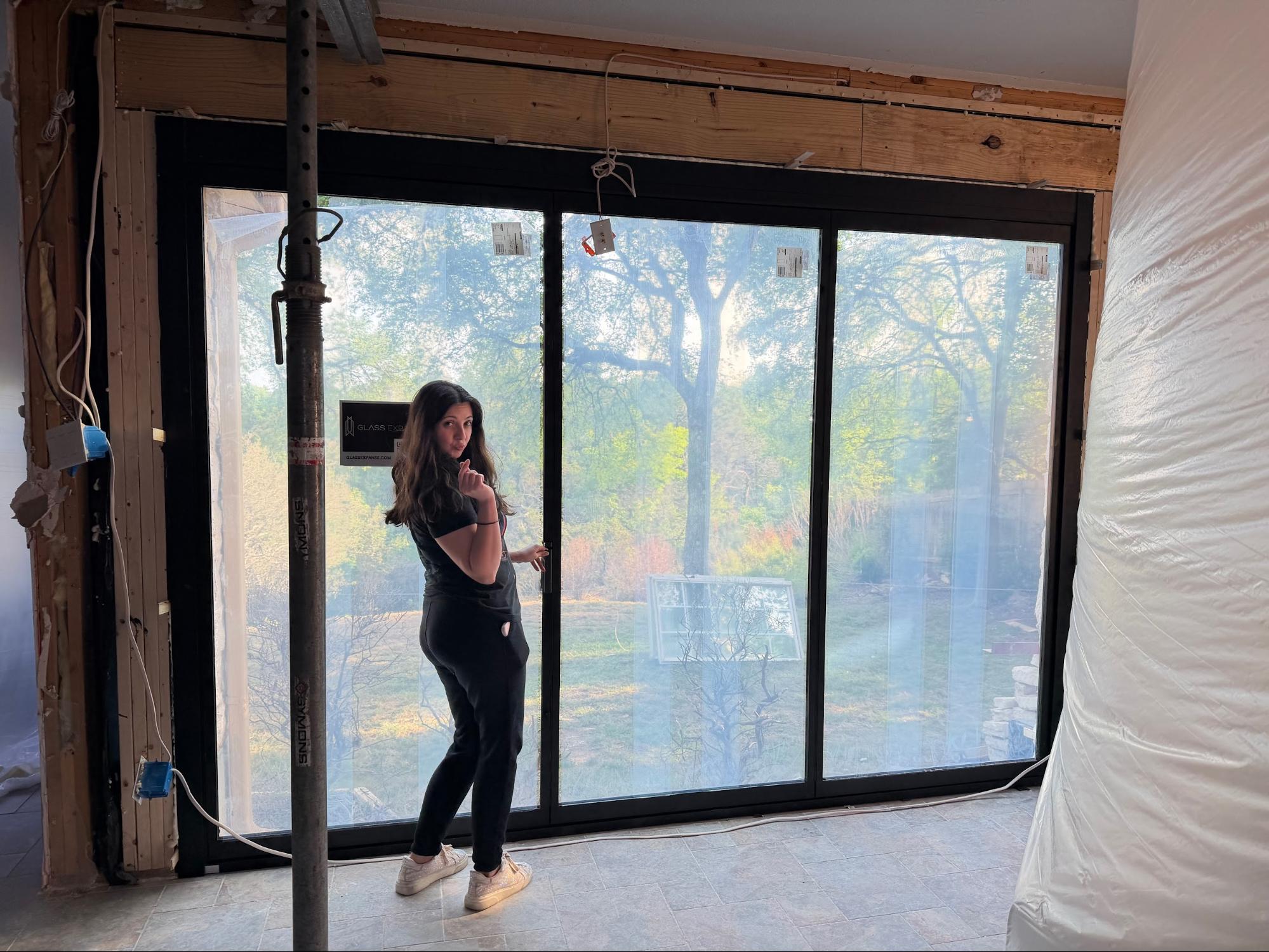
The Hidden Systems: What Lives Inside Your Wall
Here's something the HGTV shows conveniently skip: walls aren't empty.
Most load-bearing walls contain at least SOME of the following:
- Electrical wiring -- outlets, switches, sometimes entire circuits running vertically
- Plumbing -- drain lines, water supply, sometimes gas pipes
- HVAC ductwork -- heating and cooling runs that use the wall cavity as a pathway
These systems need to be identified BEFORE demolition and rerouted AFTER. A good team plans for this. A bad team discovers it mid-swing with a sledgehammer.
This is why the pre-op evaluation matters so much. You need to know what's in the wall BEFORE you open it up, not after you've already cut a wire.
Why DIY Is Malpractice
We'll be blunt: attempting load-bearing wall removal as a DIY project is the structural equivalent of performing surgery on yourself.
Could it work? Maybe. Has someone on the internet claimed they did it and everything was fine? Probably. But the failure mode isn't "oops, it looks bad." The failure mode is "the ceiling collapses and someone gets hurt."
And here's the sneaky part: DIY structural failures often don't show up immediately. The beam might be undersized. The bearing points might be inadequate. The load path might not actually reach the foundation. But the house LOOKS fine... for now. Then six months later, the floors start sagging. A year later, doors won't close. Three years later, you've got cracks spreading across every wall in the house.
By then, the repair costs are 5x what the professional job would have been.
> "We bought a house where the previous owner had 'removed' a load-bearing wall themselves. They put in a beam that was half the size it needed to be. The floor upstairs had sagged almost an inch. LBWP came in, jacked it back level, and installed the correct beam. Should've been done right the first time." -- Hannon Sparks, Fort Worth
FAQ
How long does it take to remove a load-bearing wall?
With Load Bearing Wall Pros, the structural work is completed in ONE DAY. Protection, demo, beam installation, and cleanup -- all in a single visit. Finishing work (drywall, paint, flooring) is separate.
How much does it cost?
Typically $5,000 to $15,000 depending on wall length, beam type, and complexity. We provide same-day ballpark estimates so you know what you're looking at before committing.
Will it make a mess in my house?
We protect everything. Moving blankets on floors, plastic sheeting on adjacent rooms. Our teams clean up completely before they leave.
Do I need a structural engineer?
Yes, and we've got one in-house. Our PE designs the beam system for your specific home -- no generic solutions.
What if the wall has plumbing or electrical in it?
We identify those systems during evaluation and plan for relocation. It's common and manageable -- just needs to be planned for, not discovered by accident.
Can ANY load-bearing wall be removed?
Most can, as long as the load is properly replaced with an engineered beam system. There are rare exceptions, but in 12,000+ projects, we've found a solution for virtually every situation.
---
Your house deserves a surgeon, not a YouTube hobbyist. Call Load Bearing Wall Pros at 469-813-8143 (DFW), 713-322-3908 (Houston), or 512-641-9555 (Austin). We'll make it through the operation -- and you'll love the recovery.