


February 22, 2023


Opening a Load Bearing Wall in Your Kitchen
Are you considering a kitchen remodel but don’t know where to start? Opening a load bearing wall between your kitchen and living room can create more space, improve flow, and modernize your home without breaking the bank.
At Load Bearing Wall Pros, we have years of experience safely opening load bearing walls in Dallas and Houston. Your home is likely your most valuable asset, so it’s important to make sure the job is done correctly. This guide will walk you through why opening a load bearing wall is transformative, and why it’s a project best left to the professionals.
Why Kitchen Remodeling Is So Popular
Remodeling a home can feel daunting, especially when load bearing walls are involved. However, removing a wall between the kitchen and living room can create an open and airy feel, making your home look larger and more inviting.
When opening a load bearing wall, it’s essential to work with a qualified contractor to ensure proper support. Once the wall is removed, new beams or support structures may need to be installed to maintain structural stability. Additionally, the flooring in both spaces should be inspected for wear and tear.
With careful planning and execution, removing a load bearing wall can modernize your home and enhance functionality.
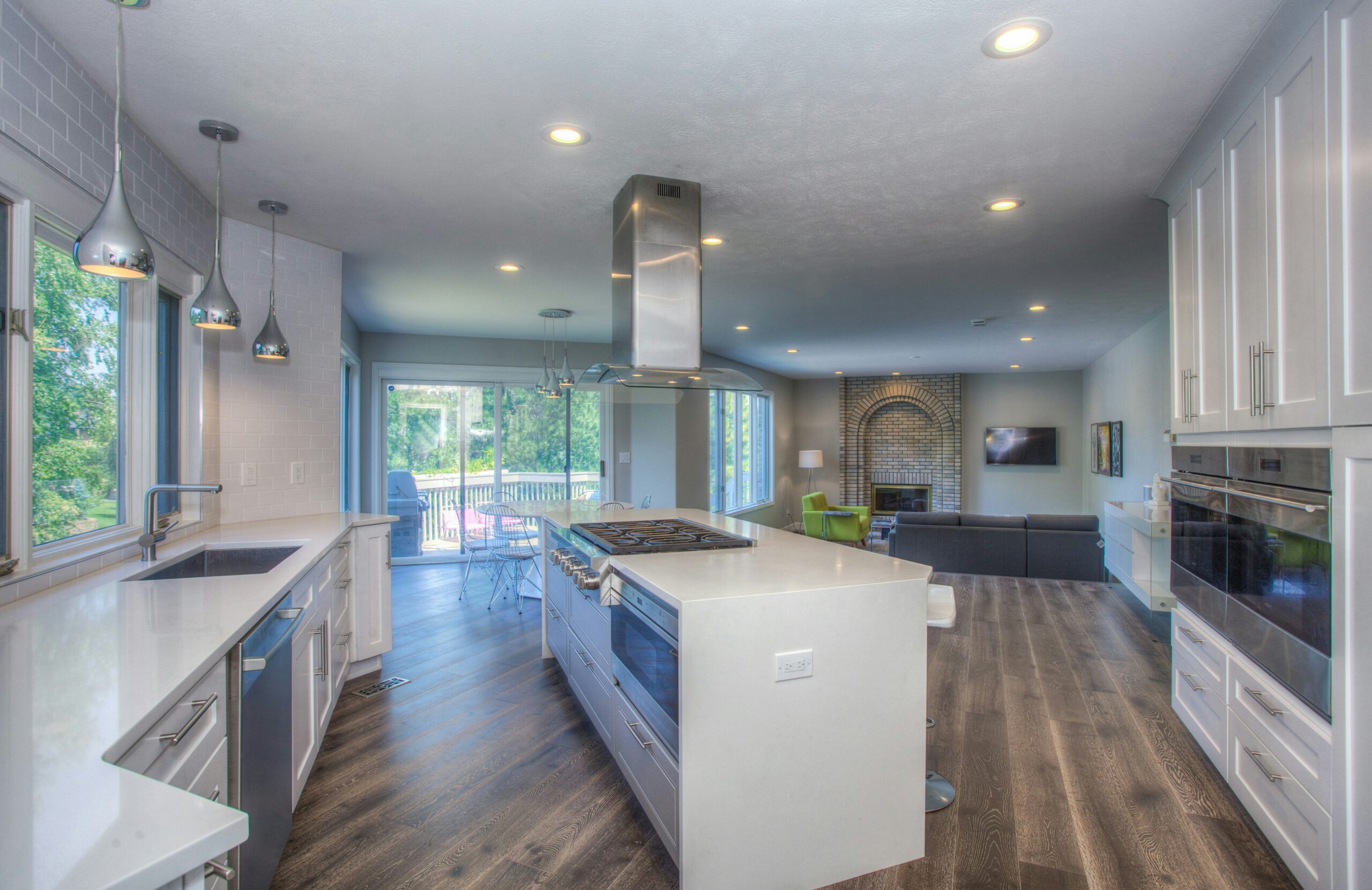
Why Open a Load Bearing Wall in Your Kitchen?
Load bearing walls are typically thick and made of concrete, brick, or stone. They support the weight of floors, ceilings, and furniture. While essential structurally, they can make rooms feel cramped and closed off.
By removing a load bearing wall in your kitchen, you can:
- Create an open floor plan that feels brighter and more spacious.
- Update your kitchen layout and design for modern functionality.
- Potentially increase the value of your home.
Check out our online gallery of before-and-after projects to see how dramatically a kitchen can transform when a load bearing wall is removed.
Why Opening a Load Bearing Wall Is Not a DIY Project
Some home renovation projects are better left to professionals, and removing a load bearing wall is one of them. Unlike non-load-bearing walls, which are relatively simple to remove, load bearing walls require precise planning and expertise to maintain your home’s structural integrity.
Professional contractors will:
- Assess the situation and recommend the safest course of action.
- Use specialized equipment and techniques to remove the wall safely.
- Ensure proper installation of support beams and braces.
Attempting this project on your own could result in serious structural damage, safety risks, and costly repairs.
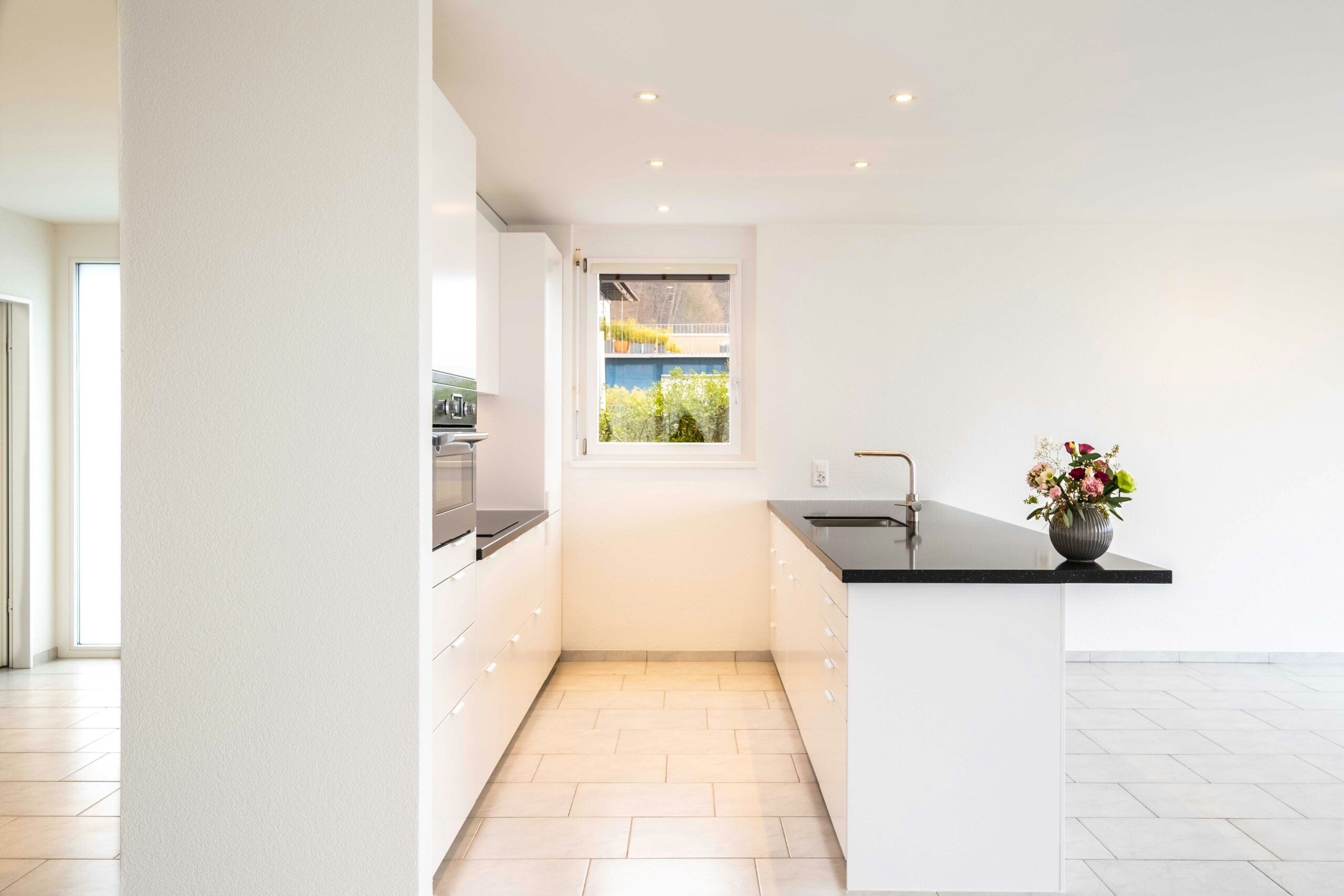
Let Us Remove Your Load Bearing Wall
Feeling overwhelmed by your load bearing wall project or simply don’t have the time to tackle it yourself? Load Bearing Wall Pros can help! With years of experience, we safely remove load bearing walls while keeping your home structurally sound.
Ready to open up your kitchen and transform your living space? Contact us today to schedule a consultation and get professional guidance for your renovation project.
FAQs About Opening Load Bearing Walls
Q1: Can I open a load bearing wall in my kitchen myself?
A: No. Removing a load bearing wall is complex and requires professional expertise to maintain structural integrity. Always hire a qualified contractor or use load bearing wall removal services.
Q2: How much does it cost to remove a load bearing wall?
A: Costs vary depending on the wall, support structures required, and your home. A professional assessment ensures an accurate estimate.
Q3: How long does it take to remove a load bearing wall?
A: Depending on complexity, the project can take a few days to a couple of weeks, including planning, installation of support beams, and finishing.
Q4: Will removing a load bearing wall increase my home value?
A: Yes, creating an open floor plan often makes homes feel larger and more modern, which can boost resale value.
Q5: What alternatives exist if I don’t want to fully remove a load bearing wall?
A: Partial openings with headers, support columns, or redesigning your space without full removal are safe alternatives.
Recent posts
-
-
 October 26, 2022