


February 22, 2023


How to Identify a Load Bearing Wall
How to Identify a Load-Bearing Wall (and What to Do Next)
If you’re considering an open-concept layout for your home, removing a wall might be the first step toward that dream transformation. But before you break out the sledgehammer, it’s crucial to ask: is the wall load-bearing? Removing the wrong wall can result in catastrophic damage and costly repairs.
We’ll walk you through everything you need to know to identify a load-bearing wall, understand why it’s essential to do so, and explore the tools, costs, misconceptions, and legal considerations that come with removing one safely.
Why It’s Crucial to Identify Load-Bearing Walls Correctly
Understanding which walls in your home are load-bearing isn’t just a matter of convenience, it’s a matter of safety, structural integrity, and long-term value. Load-bearing walls support everything from your roof to upper floors, distributing weight down to the foundation. Disturbing this delicate balance without proper support can cause sagging ceilings, buckled floors, wall cracks, and even total structural failure.
Many homeowners don’t realize how expensive these mistakes can be. Repairs could involve rebuilding framing, redoing drywall, or even replacing flooring, potentially costing thousands of dollars. Moreover, improper modifications can invalidate your insurance coverage or reduce your home’s resale value. Correctly identifying load-bearing walls before starting your renovation helps you plan responsibly and protects your investment.
How to Identify a Load-Bearing Wall
Identifying a load-bearing wall often starts with observation, but it should end with verification. Here are the main signs a wall might be load-bearing:
- It runs perpendicular to the floor joists or ceiling rafters: Walls that run at a 90-degree angle to joists are more likely to bear weight.
- It is located directly below another wall on the upper floor: This indicates a vertical load transfer from the upper structure.
- It aligns with a beam or structural support in the basement or crawlspace: Look for steel I-beams or LVL beams below that mirror the wall’s position.
- It contains structural supports like columns or posts: These elements often help distribute loads from the roof or floors above.
- It includes mechanical systems like vertical plumbing or ductwork: Builders tend to place utilities in central, structurally sound areas.
That said, these indicators are not foolproof. Every home is built differently, and certain architectural styles or renovation histories may obscure structural clues. For this reason, consulting a structural engineer or licensed contractor is always your safest option.
Tools and Resources to Help Identify Load-Bearing Walls
While visual inspection is helpful, using professional tools and resources significantly increases the accuracy of your assessment. Here’s what can assist:
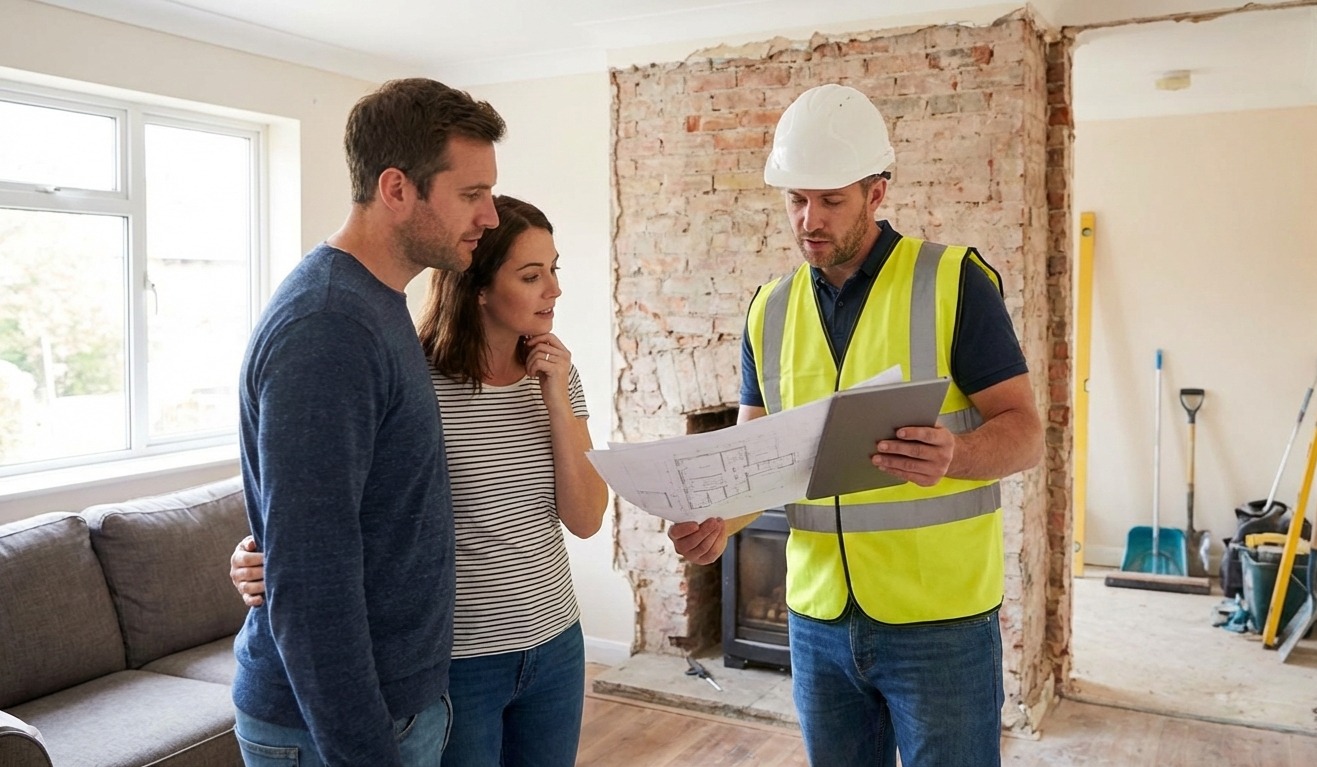
- Original Blueprints or Building Plans: These documents outline the home’s structural design. Load-bearing walls are typically marked or noted by thickness.
- Joist Locators and Stud Finders: These handheld tools can detect joists behind ceilings and walls, helping you determine their orientation.
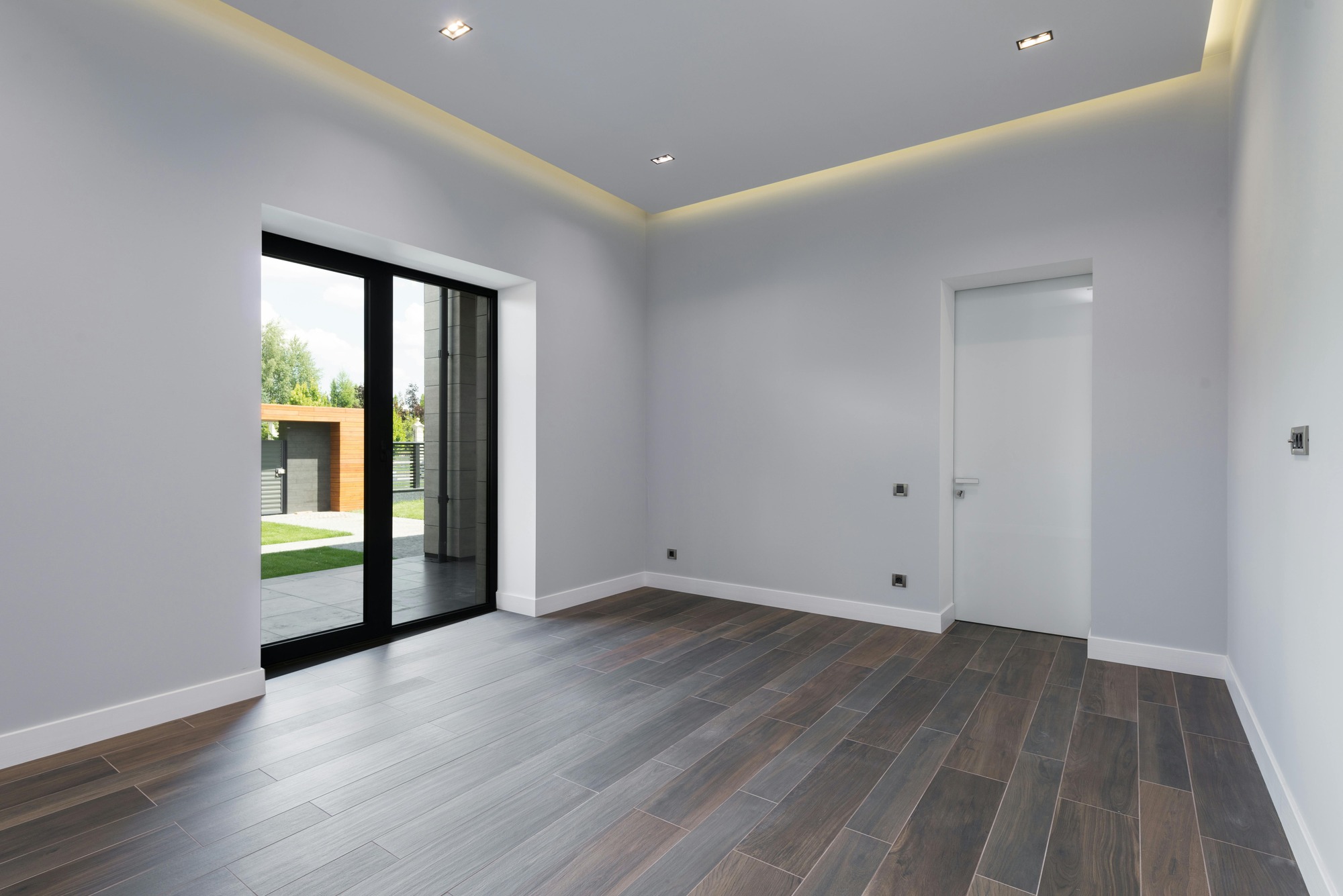
- Laser Levels and Measuring Tools: These help identify alignment and verify if a wall continues in a straight path across different stories an indication of load-bearing support.
- Attic and Basement Access: Examining the structural framing above or below a wall can offer visual confirmation of how loads are being carried.
- Digital Tools and Apps: Modern apps and platforms allow you to upload blueprints or scan spaces in 3D to identify structural elements.
- Local Permitting Office or Building Inspector: A phone call or visit to your local building department can provide insight into construction standards specific to your area.
By combining tools with expert analysis, you can make the most informed and safest decision before altering your home’s structure.
General Steps to Replace a Load-Bearing Wall With a Support Beam
Replacing a load-bearing wall is not a casual DIY project; it requires precision, engineering, and extensive safety precautions. Here’s how professionals typically handle it:
- Protect the Work Area: Cover floors with moving blankets and seal off the room with plastic sheeting to contain dust and debris.
- Install Temporary Shoring: Temporary walls or supports are built parallel to the existing wall to hold up the load during demolition.
- Carefully Demolish the Wall: Trim, drywall, and studs are removed in order, often leaving electrical components intact for the electrician to reroute.
- Prepare Beam Pocket: Ceiling joists are cut precisely to create space for the new support beam.
- Install the Beam: Steel or laminated wood beams are often reinforced with wood on the sides and secured using powder-actuated nails.
- Support the Beam with Stud Packs: The number and placement of these support columns are determined by the structural load they must carry.
- Attach Joists to the Beam: Using joist hangers, ceiling joists are fastened to the new beam to ensure a secure transfer of weight.
- Remove Temporary Supports: Once everything is properly secured and leveled, temporary shoring is taken down.
- Clean the Site: All debris is removed from the site and floors are cleaned for the finishing crew.
Each step requires careful measurement, engineering oversight, and strict adherence to safety guidelines. One misstep can compromise the entire structure.
Cost Considerations for Removing a Load-Bearing Wall
Removing a structural wall can dramatically transform a space but it’s also one of the more expensive home renovation tasks. Here are the major cost components:
- Structural Engineer Fee: Expect to pay $300 to $800+ for inspection, analysis, and beam specifications.
- Beam and Post Installation: Costs range from $1,500 to $5,000+ depending on wall length, material choice (steel vs. laminated wood), and accessibility.
- Permit Costs: Vary by jurisdiction, but most range from $100 to $500.
- Drywall, Flooring, and Paint: Finishing costs after the beam is installed can add $500 to $2,000 or more.
- HVAC, Plumbing, or Electrical Rerouting: If the wall contains mechanical systems, costs can climb quickly. Budget an additional $500 to $3,000 depending on complexity.
Always build in a contingency budget of 10–20% for unexpected issues that arise once demolition begins. Getting quotes from multiple contractors and engineers can also help you better plan your finances.

Common Misconceptions About Load-Bearing Walls
When homeowners decide to open up their space, a few widespread myths often guide their decisions sometimes dangerously. Let’s debunk some of them:
- “Only exterior walls are load-bearing.”
False. Many interior walls, especially those located centrally in the house, help distribute loads from the roof and upper floors. - “If there’s no wall directly above, it’s not structural.”
Not always. Loads can transfer through beams, and the framing design may distribute weight in non-obvious ways. - “Parallel walls to joists are never load-bearing.”
This is a general rule of thumb but not a guarantee. Some homes have exceptions based on architectural design or renovations. - “My house is single-story, so interior walls aren’t load-bearing.”
Even in one-story homes, interior walls often support ceiling joists, roof structures, or attic storage.
Believing these myths can lead to costly and dangerous mistakes. Always verify with a professional.
When to Call a Professional
While it might be tempting to rely on DIY inspection videos or home improvement forums, there are specific scenarios where calling a professional is essential:
- Unclear Framing Layouts: If joists and load paths aren’t immediately visible, a professional can identify them accurately using diagnostic tools.
- Complex Structures: Multi-story homes, vaulted ceilings, and unique architectural styles often require a licensed engineer’s input.
- Previous Renovations: Past changes may have altered how weight is distributed through your home.
- Planned Major Alterations: If you’re removing more than a few feet of wall, rerouting utilities, or adding large openings, professional oversight is a must.
Working with a professional not only ensures structural safety but is often required to comply with local building codes.

Building Codes and Permit Requirements
Removing or altering a structural wall isn’t just a physical project, it’s a legal one. Most municipalities require you to obtain a permit for any structural changes to ensure the modifications meet safety and construction standards. Here’s what’s typically involved:
- Permit Application: You’ll need detailed drawings showing existing and proposed conditions, often prepared by an engineer or architect.
- Review Process: Your local building department reviews the plans and may request modifications.
- Inspections: Most projects require an initial inspection before demolition and a final inspection after completion.
- Licensed Professionals: In many jurisdictions, only licensed contractors are allowed to perform structural work.
Skipping permits can lead to fines, forced rework, and insurance issues. Worse, it could compromise your ability to sell the home later.
What to Expect After Removing a Load-Bearing Wall
Once the load-bearing wall has been safely removed and a beam installed, the transformation isn’t just structural, it’s visual, functional, and experiential. Here’s what you can expect post-project, both immediately and over time:
1. Instant Visual Impact
The most noticeable change will be the openness of your space. Where once a wall may have segmented your kitchen, dining, or living area, now you’ll have a seamless flow that allows for more natural light, better social interaction, and a more modern, airy feel. Many homeowners are surprised at just how much bigger a room feels after a wall is removed.
2. Potential Layout Adjustments
With new space comes new possibilities. You may find opportunities to rearrange furniture, expand cabinetry, add an island, or improve traffic flow. Some people choose to invest in complementary upgrades, such as recessed lighting, flooring continuity, or updated finishes to match the new look.
3. Noise and Echo Considerations
Open-concept spaces can sometimes amplify noise. Without walls to absorb sound, conversations, appliances, and footsteps may carry farther than before. You can offset this by adding soft materials like rugs, upholstered furniture, and acoustic panels to minimize echo and maintain a comfortable acoustic environment.
4. Energy Efficiency Impacts
Larger, open rooms may affect how heating and cooling systems perform. Without walls to contain air movement, HVAC systems might need to work harder to maintain consistent temperatures. Consider consulting an HVAC specialist to evaluate airflow and make adjustments if necessary.
5. Increased Home Value
One of the long-term benefits of professionally removing a load-bearing wall is the potential boost in your home’s resale value. Open layouts are highly desirable in today’s real estate market, often making homes more attractive to buyers and commanding higher prices. That said, the value boost is only realized when the job is done correctly and permitted properly.
Don’t Take Structural Changes Lightly
Removing a load-bearing wall is one of the most transformative changes you can make in your home; it opens up space, brings in light, and adds significant value. But it’s also one of the most technically complex and risky. Missteps can cause serious structural damage and endanger your home’s safety.
The bottom line? Always err on the side of caution. Use the proper tools, gather the right information, and when in doubt, call the pros.
By working with experienced contractors like Load Bearing Wall Pros, you ensure your renovation is done right the first time on time, on budget, and above all, safely.
Recent posts
-
-
 October 26, 2022