


February 22, 2023

Home Stability During Renovations: A Homeowner’s Guide
Worried your house might shift, sag, or settle the wrong way during remodeling? You’re not alone. Structural integrity is a top concern when removing walls or reworking foundational layouts. At Load Bearing Wall Pros, we specialize in home stability during renovations, making these transformations safe and seamless. From wall removal safety checks to foundation evaluations post-modifications, our process ensures everything stands strong.
Whether you’re renovating for aesthetics or upgrading space functionality, your home’s bones matter. Keep reading to discover how our stability assessments for renovations eliminate risk and ensure long-term safety.
Why Home Stability During Renovations Matters
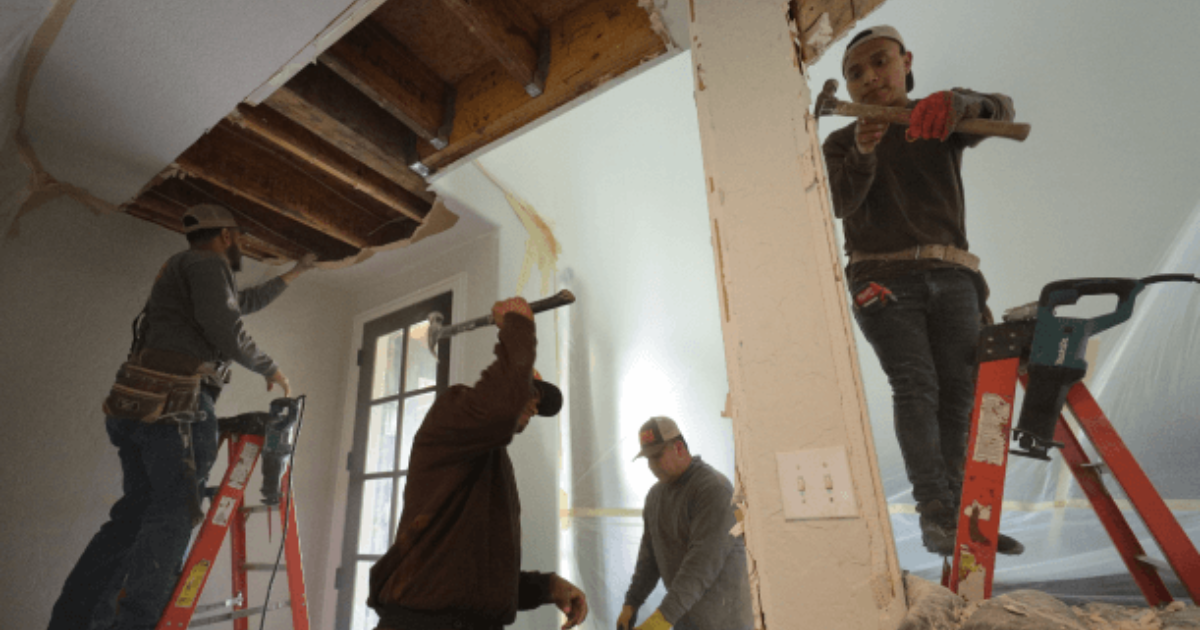
Structural integrity is often the hidden hero or villain of home renovations. While homeowners may focus on finishes and layouts, it’s the unseen framework that keeps everything safe and livable. Compromising this framework can cause a host of headaches. Changes to a home’s layout, particularly those involving wall removal, can significantly impact structural balance and it’s important to get this part right so your home’s new interior flow remains a point of pride rather than a source of ongoing anxiety.
Without proper planning, a major renovation can jeopardize the entire support system of a house. For instance, foundation cracks can damage your home and are often early warning signs that something’s wrong. Shifting floors or sticky doors are also common signs of bigger structural problems that may have started with unverified changes. That’s why assessing home stability during renovations isn’t just a best practice, it’s essential.
By partnering with professionals who understand the interplay of load paths, joists, foundations, and reinforcements, you reduce the risk of costly surprises and ensure your dream remodel doesn’t turn into a structural nightmare.
So let’s explore how to approach structural assessments to keep your home standing strong.
How to Conduct a Structural Assessment Before Renovation
Before the first hammer swings, a structural assessment ensures that the intended modifications won’t destabilize your home. This critical process can be divided into several important steps:
Identify Load Bearing Elements
Every home has key structural components like walls, beams, and columns, that transfer weight from the roof and upper floors down to the foundation. These are known as load bearing elements. Removing or modifying any of these without proper support can result in catastrophic damage. A qualified contractor must inspect and mark these areas before any demo work begins.
Evaluate Floor and Ceiling Joists
Floor and ceiling joists are horizontal framing members that help distribute weight across rooms. During a renovation, the weight load may shift, so evaluating the direction, size, spacing, and condition of your joists helps determine whether additional reinforcement is needed to maintain stability. This is also the point where you must select the best types of support beams for your home, ensuring the materials and dimensions used are appropriate for the redistributed load.
Examine Foundation Conditions
Structural changes above ground are only as reliable as the foundation below. A thorough inspection checks for cracks, water damage, improper settling, soil condition, and other signs your load bearing wall needs attention. If flaws are found, they must be addressed before proceeding.
Use Engineering Analysis
Professional engineering input is a must for any structural renovation. A licensed structural engineer will calculate load paths, analyze weight distributions, and draft plans that detail the safest way to support your modifications. We partner with independent, third-party engineers to ensure all designs are reviewed, compliant, and stamped for your records.
A complete structural assessment blends on-site experience with technical accuracy, which is why we don’t guess – we calculate. Now, let’s look at some specific techniques that can help make these assessments accurate.
Proven Structural Assessment Techniques
Accurate home stability assessments rely on proven, science-based structural assessment techniques. Let’s break down the key methods professionals use:
Visual Inspections
The first step in any assessment is a comprehensive visual inspection. Contractors look for visible signs of structural stress, like bowed walls, sagging ceilings, misaligned trim, or diagonal cracks above doors and windows. These indicators often point to hidden structural deficiencies that need immediate attention.
Load Path Tracing
This technique identifies how weight is transferred through the entire structure – from the roof, down the walls, to the foundation. Understanding this path ensures new openings do not interrupt crucial load paths. When it’s time to install a load bearing beam, this analysis confirms the safest placement for that. In short, proper tracing allows for smart planning and safe redistribution of loads – something our team specializes in.
Shoring Calculations
Temporary support systems, also known as shoring, are essential during wall removal. This phase involves careful temporary wall support installation to ensure the home’s weight is safely transferred while modifications are underway. We use precise engineering calculations to determine the correct placement and strength of shoring posts and beams. This process protects your home during construction and is a cornerstone of our safe wall removal protocol.
Foundation and Framing Checks
We evaluate foundation conditions and framing integrity through hands-on inspection. Our team looks for signs of prior movement, damage, or weakness and adjusts project plans accordingly to preserve structural soundness.
By focusing on the techniques most relevant to load bearing wall removal and structural remodeling, We ensure your home is safe before, during, and after any major change.
Now let’s talk about what happens after walls start coming down.
Monitoring Home Stability During Construction
The job doesn’t end once the structural assessment is complete. Monitoring home stability during renovations is critical to making sure no new risks emerge as walls come down and supports go up. We remain vigilant throughout every phase of construction to safeguard your home’s integrity.
Continuous Shoring Checks
Temporary wall supports and shoring beams aren’t “set it and forget it” solutions. Our crews continuously monitor all installations to ensure they remain properly aligned and fully load bearing. We inspect and adjust as needed to maintain safe conditions throughout the project.
Re-evaluations After Demolition
Once the original wall or structural component is removed, the situation changes completely. We conduct a fresh evaluation of the area to verify stability and readiness for the next phase – whether that’s beam installation, stud-pack reinforcement, or preparation for finish-out.
Adjustments to Framing Plans
Homes aren’t always predictable. Hidden ducts, outdated framing, or damaged joists may emerge mid-project. When this happens, we coordinate with our structural engineers to revise plans in real time – minimizing downtime while upholding safety and compliance.
Quality Control Inspections
Quality doesn’t happen by accident. Throughout the project, we perform checks to verify each connection, beam placement, fastener, and support structure meets our rigorous standards. Our teams are trained to catch small problems before they become big ones.
Our crews approach every renovation with the mindset that stability is not static, it’s actively maintained. We don’t walk away until we know your home is safe, solid, and ready for the next chapter.
Final Stability Checks After Renovation Work
Once structural changes are complete, final inspections ensure your home’s integrity is intact for the long haul. This final phase is just as crucial as the initial assessment.
Post-Installation Engineering Review
Our work is verified by licensed structural engineers who review the completed project and issue stamped letters and drawings. These documents confirm that all modifications meet engineering standards and local building codes, giving homeowners documentation and peace of mind.
Foundation Reassessment
Even small shifts during construction can affect a foundation’s integrity. We conduct a final walkthrough of the foundation and check for any signs of settling or cracking that may have occurred during the build. Catching issues at this stage can prevent long-term damage.
System Performance Testing
When HVAC, plumbing, or electrical systems are affected during renovation, we visually inspect and coordinate with qualified subcontractors as needed to ensure these systems remain functional and undamaged. In full-service remodels, we manage licensed professionals to restore or reroute systems safely and efficiently.
Finish Readiness Evaluation
Before drywall, trim, or finishes are reinstalled, we inspect the structural framing to confirm that it is straight, secure, and ready for the next phase of construction. This attention to detail helps avoid future cosmetic issues like wavy walls or misaligned surfaces. Some clients choose to have LBWP complete the final finishes, so our team manages the entire process, delivering polished results that match the structural precision already in place.
How to Choose the Right Contractor for Structural Renovations
Choosing a qualified contractor is perhaps the most important decision you’ll make during a renovation. Here’s what to look for:
Specialization in Structural Work: Avoid general contractors for load bearing modifications. Choose well-established companies with deep experience in structural changes.
Engineering Partnerships: Ensure they work with licensed, independent engineers.
Insurance & Warranty: Look for comprehensive coverage and a structural warranty.
Transparent Process: Ask how they assess, monitor, and inspect stability during the renovation.
Project Timeline & Communication: A good contractor will keep you informed and on schedule.
We have removed over 12,000 load bearing walls since 2015 and were the first company in Texas to specialize exclusively in this kind of structural work. Our experience translates to efficiency, safety, and peace of mind.
Common Questions About Home Stability During Renovations
Do I need a structural assessment for a cosmetic remodel?
If your remodel includes removing or altering any walls, especially on the main floor, an assessment is highly recommended.
How much does a structural assessment cost?
Costs vary by home size and complexity. We provide free estimates with upfront clarity.
What happens if something unexpected is found?
We reevaluate and update the plan based on the findings. Safety always comes first.
Can I stay home during renovations?
In most cases, yes – but it may depend on project size and duration. We discuss all options with you beforehand.
Invest in Safety, Build with Confidence
Home renovations should enhance comfort and function, not create instability. By assessing stability using proven structural assessment techniques, you avoid costly errors and preserve your investment.
Load Bearing Wall Pros brings specialized knowledge, third-party engineering support, and client-focused solutions to every project. Whether you’re removing a wall or reinventing your entire space, we make sure your home stands tall before, during, and after the work is done.
Contact us today for your free structural assessment and discover why thousands of homeowners trust us to keep their renovations strong, safe, and stress-free, whether you’re in Dallas, Houston, or anywhere in between.
About the Author
Jason Hulcy, the founder of Load Bearing Wall Pros, is a seasoned expert in wall removal and home renovations. With a passion for innovation and sustainability, he has helped countless homeowners achieve their dream spaces safely and efficiently. Learn more about his expertise here.
Recent posts
-
-
 October 26, 2022