


February 22, 2023

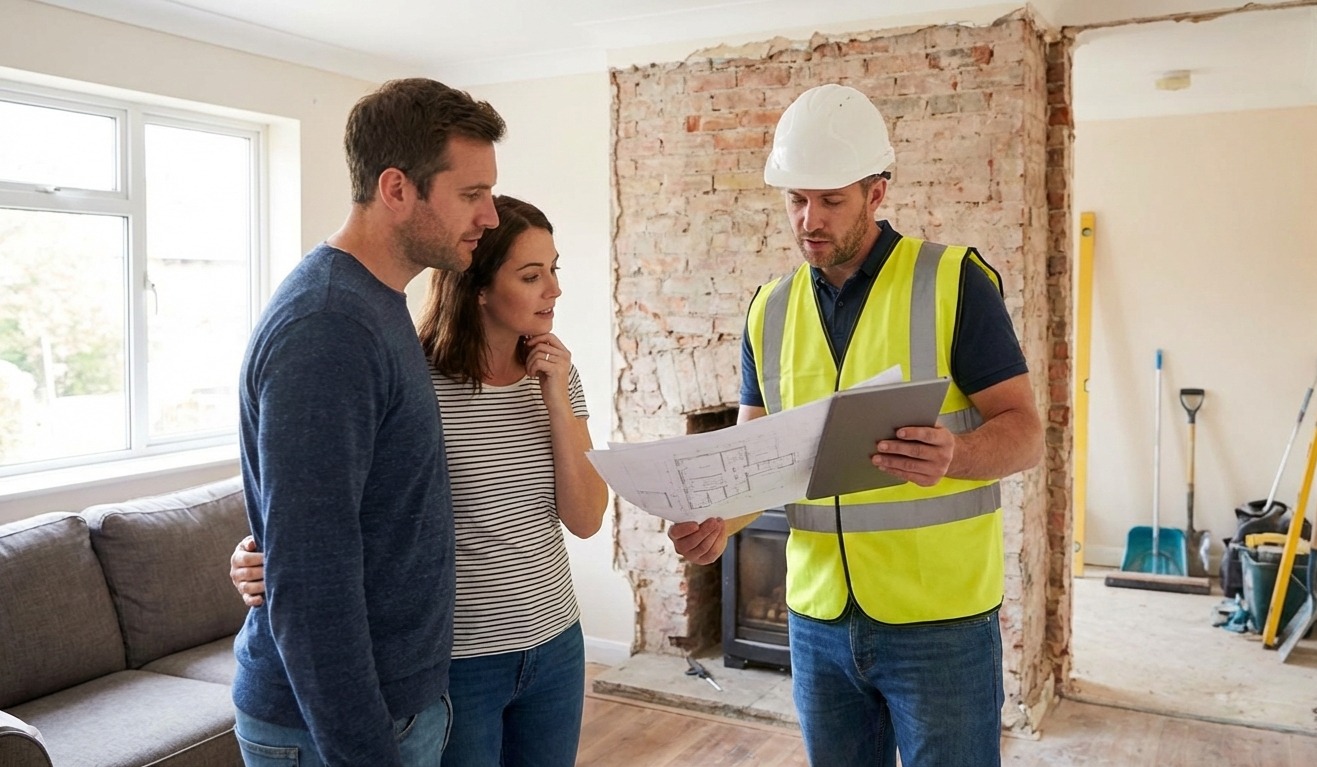
What Are the Benefits of Hiring a Wall Removal Contractor?
Opening up a home often starts with a single thought: this wall is in the way. Maybe it blocks light, interrupts movement, or separates spaces that no longer need to be divided. While removing a wall can dramatically improve how a home feels, the decision carries more weight than many homeowners expect.
Because walls often play a structural role, especially in older homes, professional involvement is usually the safest place to begin. Homeowners planning structural changes often start by consulting specialists in load bearing wall removal to understand what is possible before demolition ever begins.
Hiring a wall removal contractor affects far more than the appearance of a space. This article outlines how professional involvement protects the structure of the home, reduces long-term risk, and helps homeowners make informed decisions before any demolition begins.
Why Wall Removal Is a Structural Decision
Walls do more than divide rooms. In many homes, they support floors above, help distribute roof loads, and stabilize framing across multiple levels. Removing the wrong wall or removing it incorrectly can affect much more than the room being remodeled.
Understanding how loads move through a home
Structural loads travel downward through framing systems in predictable paths. A wall that appears cosmetic may actually be part of that system. When it is removed, those loads must be redirected safely through beams, posts, and foundations designed to handle them.
A contractor experienced in structural wall removal services evaluates these load paths before recommending any changes. This early assessment helps prevent issues such as uneven floors, cracked finishes, or gradual movement that may not appear until months or years later.
Why visual inspection alone is not enough
Many homeowners rely on surface clues like wall thickness or direction, but framing conditions behind drywall often tell a different story. Contractors look beyond appearances to understand how the structure was built and how it performs as a whole.
That understanding forms the foundation for every safe wall removal project.
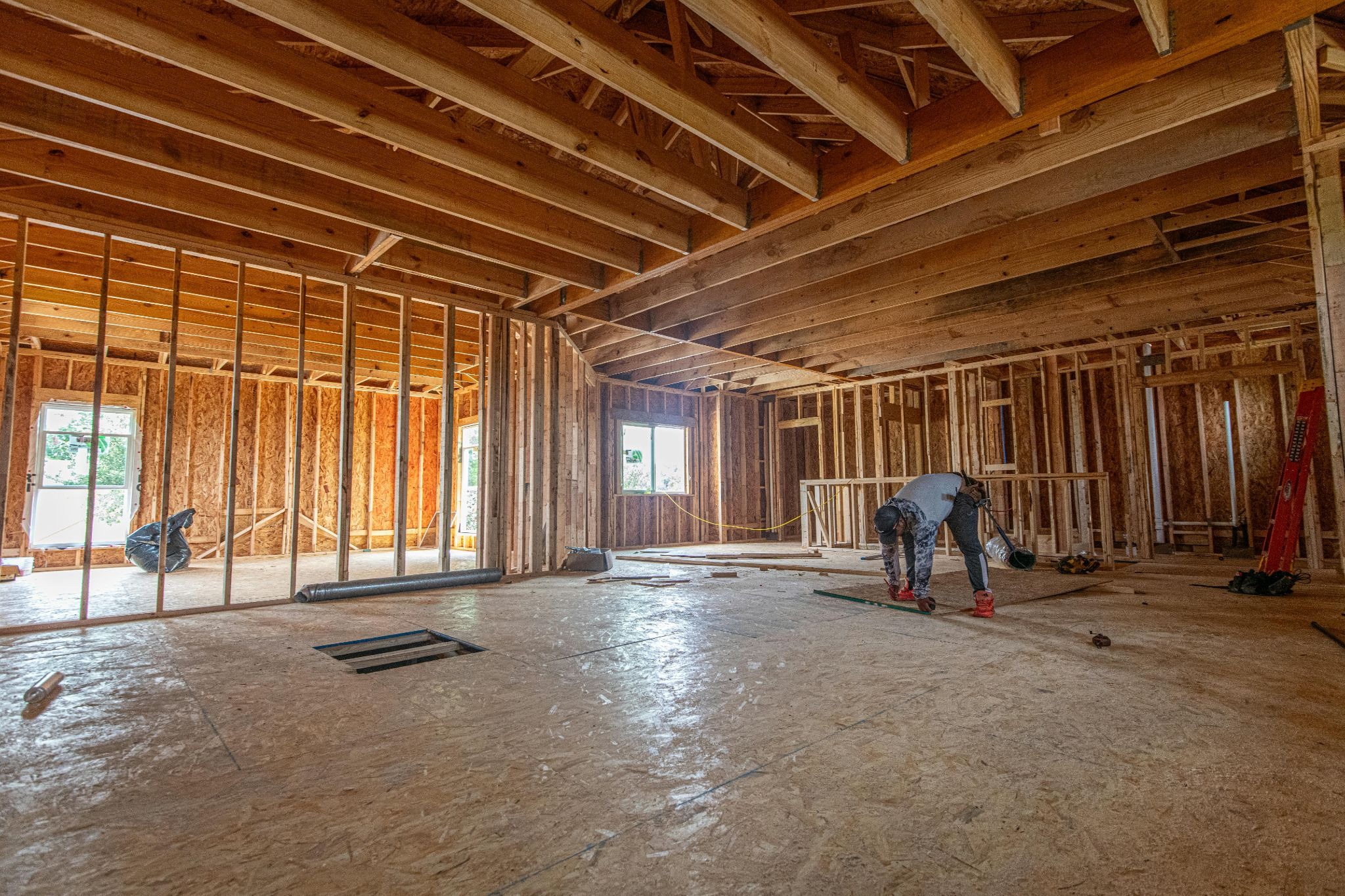
Accurate Identification of Load Bearing Walls
Correctly identifying whether a wall is load bearing is the single most important step in the process. Mistakes at this stage can create risks that extend far beyond the renovation itself.
How professionals evaluate structural walls
Wall removal contractors assess factors such as:
- Framing direction above and below the wall
- Roof and floor system layouts
- Beam locations and support points
- How loads transfer to the foundation
This evaluation is especially important when homeowners are planning projects like kitchen remodels involving wall removal, where walls often sit at the center of the home’s structure.
Reducing risk before demolition begins
Once a wall is confirmed as load bearing, the contractor can design a safe replacement system. When a wall is not load bearing, removal may be simpler, but professional verification still prevents costly surprises.
This step turns uncertainty into clarity and allows design decisions to move forward with confidence.
Planning the Right Structural Solution From the Start
Wall removal is rarely a one-size-fits-all process. Even when removal is possible, the solution varies depending on span length, load type, and how the space will be used.
Exploring alternatives to full wall removal
In some cases, a wide opening or framed transition provides the desired openness without fully eliminating the wall. Projects such as converting a wall to a doorway or large opening can balance openness with structure and function.
A contractor helps homeowners understand these options early, preventing unnecessary structural complexity later.
Matching structure to long-term use
The goal is not only to remove a wall safely, but to ensure the home performs well under everyday use. That means accounting for furniture loads, foot traffic, seasonal movement, and future changes to the space.
Thoughtful planning at this stage helps the home feel intentional rather than altered.
Proper Sequencing and Temporary Support During Construction
Wall removal is not a single action but a sequence of controlled steps. Each phase supports the next, and skipping or rushing steps increases risk.
Temporary support before demolition
Before any framing is removed, temporary supports are installed to carry the load previously handled by the wall. Contractors determine:
- Where supports must be placed
- How much load they must carry
- How long they need to remain in place
This prevents sudden shifts that could damage framing or finishes.
Installing permanent structural elements
Once the wall is removed, permanent beams and posts are installed to redirect the load safely. Proper installation ensures the structure performs reliably as the home settles back into normal use.
Only after these elements are verified can temporary supports be removed.
Coordinating Restoration and Finish Work
Removing a wall changes more than structure. It affects ceilings, floors, and adjacent walls that must be repaired and blended into the existing space.
Making the space feel intentional
A wall removal contractor coordinates structural work with restoration so the finished space feels cohesive.
This step transforms structural work into a livable result. And when clients choose to include finish services, Load Bearing Wall Pros can complete this phase as part of the overall project.

Reducing Risk and Disruption During Renovation
Renovation work introduces risk whenever existing structure, utilities, and finished spaces intersect. Walls often conceal electrical wiring, plumbing lines, gas connections, and HVAC components that must remain functional during and after construction. Removing a wall without accounting for what runs through it can lead to service interruptions, safety hazards, or costly repairs.
Structural wall removal also affects surrounding finishes. Ceiling drywall, floor surfaces, and adjacent walls are often tied into the wall being removed. Without careful sequencing, demolition can cause cracking, separation, or uneven transitions that extend well beyond the immediate work area.
Protecting the rest of the home
Professional contractors approach wall removal as a controlled process rather than a single act of demolition. Before work begins, they identify utilities that must be rerouted or protected, isolate areas where finishes need support, and plan how debris will be removed without damaging nearby surfaces.
During construction, adjacent rooms are shielded from dust and debris, and structural loads are supported so that removal does not cause sudden movement. This planning reduces the likelihood of damage to flooring, cabinetry, appliances, and fixtures that remain in place.
This level of control is especially important in occupied homes, where families may continue living in the space during renovation. Managing disruption helps maintain safety, preserves livability, and keeps the project focused on improvement rather than cleanup and correction.
By reducing uncertainty and containing risk, professional wall removal allows renovations to progress with fewer interruptions and more predictable outcomes.
Long-Term Structural Performance and Peace of Mind
Wall removal decisions do not end when construction wraps up. The true test of a successful project is how the home performs months and years later, once daily use, seasonal changes, and natural settling begin to take effect.
Why long-term performance matters
A wall can be removed and replaced in a way that looks acceptable on day one but still create problems over time. Subtle deflection, uneven load transfer, or undersized supports may not cause visible issues immediately. Instead, they tend to reveal themselves gradually through cracked drywall, misaligned doors, floor movement, or recurring cosmetic repairs.
Contractors who specialize in wall removal plan for long-term behavior, not just short-term stability. They account for how materials respond to sustained loads, how framing interacts across levels, and how small movements can compound over years of normal living.
Reducing future repair risk through proper execution
When structural work is designed and installed correctly, it reduces the likelihood of future interventions. Homeowners benefit from fewer repairs, more predictable performance, and confidence that changes made today will not require correction later. This long-term reliability is one of the least visible but most valuable benefits of professional wall removal.
Making Confident Decisions Before Design Is Locked In
One of the most overlooked advantages of hiring a wall removal contractor early is the clarity it provides before design decisions become permanent.
Aligning design goals with structural reality
Homeowners often begin with a vision for openness, light, or flow, but not every idea translates directly into a safe structural solution. A contractor helps translate design intent into realistic options by identifying which walls can be removed, which should be modified, and where alternative approaches may better serve both structure and layout.
This guidance prevents situations where designs must be reworked mid-project due to structural constraints that were not identified early.
Avoiding costly revisions later in the process
Changes made after demolition begins are typically more expensive and disruptive than those made during planning. Structural revisions can affect permits, inspections, schedules, and finishes. Early involvement allows homeowners to make informed choices upfront, reducing uncertainty and avoiding unnecessary redesigns.
By understanding constraints early, homeowners gain flexibility rather than losing it. Decisions feel intentional, not reactive, and the renovation process moves forward with fewer surprises.
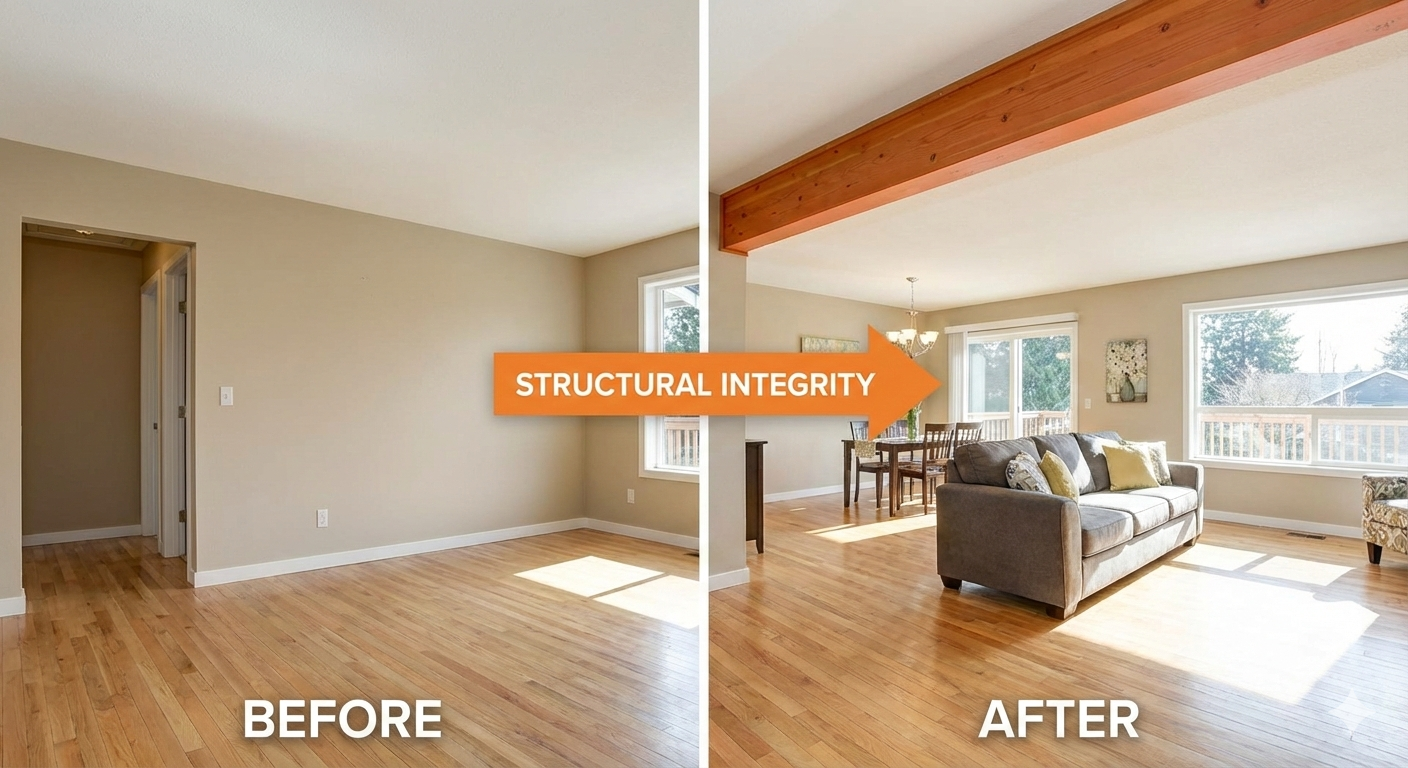
Support Beyond the Project Itself
Hiring a wall removal contractor is not only about the physical work. It also provides access to experience, planning, and accountability throughout the process.
Homeowners often choose companies with established teams, such as Load Bearing Wall Pros, because structural changes benefit from focused expertise rather than general renovation experience. Learning more about the people behind the work can help homeowners feel confident in the process.
FAQ About Hiring a Wall Removal Contractor
Is hiring a contractor always necessary for wall removal?
Not every wall requires professional involvement, but when structural elements may be involved, professional evaluation significantly reduces risk.
How do contractors know whether a wall is load bearing?
They evaluate framing direction, load paths, and what the wall supports above, rather than relying on surface appearance alone.
Does hiring a contractor slow down a renovation?
While planning takes time, professional coordination often prevents delays caused by mistakes, failed inspections, or rework.
A Safer Way to Open Your Home
Removing a wall can reshape how a home feels, functions, and flows. When done thoughtfully, it creates openness without sacrificing stability. When rushed or improvised, it can introduce problems that are costly to correct.
Approaching wall removal as a structural project rather than simple demolition helps protect both the home and the people living in it.
Homeowners considering structural changes often begin by speaking with specialists who focus specifically on wall removal and load bearing systems. Starting with expert guidance helps ensure that improvements enhance the home rather than compromise it.
For those ready to explore their options, reaching out for a professional evaluation is a practical first step toward opening space safely and responsibly.
About the Author
Jason Hulcy, the founder of Load Bearing Wall Pros, is a seasoned expert in wall removal and home renovations. With a passion for innovation and sustainability, he has helped countless homeowners achieve their dream spaces safely and efficiently. Learn more about his expertise here.
Recent posts
-
-
October 26, 2022