


February 22, 2023

How to Tell if a Wall is Load Bearing
Determining whether a wall is load bearing is crucial before starting any home renovation. Many homeowners aren’t aware of what a load bearing wall is, or why it matters. This guide will help you identify load bearing walls and understand the steps you should take before making structural changes. Stay safe and informed!
What Is a Load Bearing Wall and Why It Matters
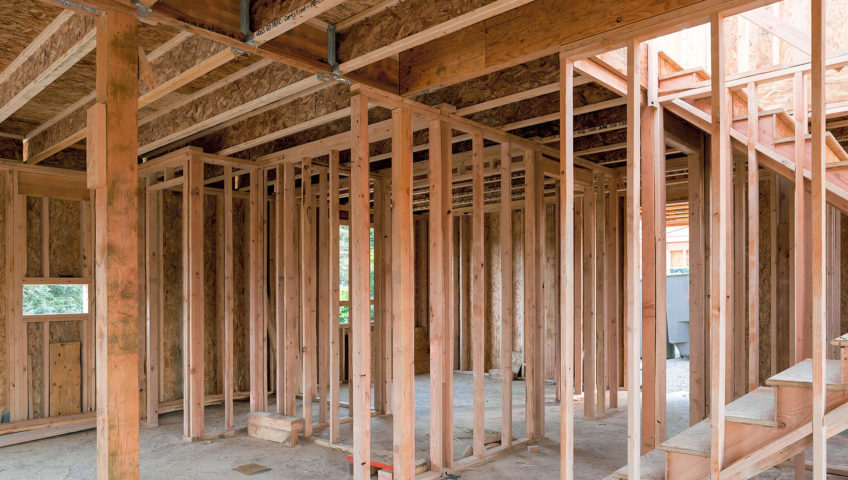
A load bearing wall is a structural element that supports the weight of your home above it, including floors, roofs, and other walls. These walls are usually found along the perimeter of a house and sometimes in the interior to support central loads.
Removing or modifying a load bearing wall without proper precautions can compromise your home’s structural integrity and, in extreme cases, cause floors or ceilings to collapse.
Key takeaway: Before starting any renovation, especially a kitchen remodel or room expansion, always determine if walls are load bearing.
How to Identify a Load Bearing Wall Without Hiring a Contractor
While a professional assessment is always recommended, there are a few methods you can use to get an idea if a wall might be load bearing:
Check the Joists in the Attic or Basement
- If joists run parallel to the wall, it’s likely not load bearing.
- If joists run perpendicular to the wall, the wall may be load bearing.
Look for Windows and Doors
- Walls with multiple windows or doors are usually non-load bearing, but exceptions exist.
Consider the Wall’s Location
- Walls located in the middle of the house are often load bearing.
Pro tip: The safest way to confirm is by hiring a structural engineer or qualified contractor.
What to Do if You Have a Load Bearing Wall You Want to Remove
Removing a load bearing wall is a major renovation that requires careful planning:
- Consult a Professional: Hire a structural engineer or contractor to assess the wall and determine if removal is safe.
- Create a Renovation Plan: Plan where new support beams will go and how they will be installed.
- Install Support Beams: Ensure beams are properly secured before removing the wall.
- Reinforce and Finish: Brace openings, install drywall, and finish the space safely.
Proper planning and professional guidance can allow you to safely open up your space, creating a more functional and modern layout.

Ensuring Safety During and After Renovations
Walls are essential for home stability and protection. Here’s how to keep them safe during renovations:
- Protect Cracks and Openings: Use weatherproofing tape or plastic sheeting to prevent moisture damage.
- Support Beams and Joists: Always support structural elements that are temporarily removed.
- Consult Professionals: Major structural changes should never be done DIY.
Taking these precautions ensures your walls remain safe long after your renovation is complete.
Call the Professionals
When it comes to load bearing walls, don’t risk your home’s safety by attempting a DIY solution. Contact Load Bearing Wall Pros in Plano, Texas for expert guidance. With years of experience, we can assess your walls, provide professional recommendations, and ensure your renovation is safe and successful.
Ready to start your project? Call us today to determine if your wall is load bearing and get expert advice.
FAQs About Load Bearing Walls
Q1: How can I tell if a wall is load bearing without removing anything?
A: Check the direction of joists in the attic or basement, look at the wall’s position in the home, and consider whether the wall has openings for doors or windows. For certainty, consult a professional.
Q2: Can I remove a load bearing wall myself?
A: No. Removing a load bearing wall without proper support and guidance can compromise your home’s structure. Always hire a qualified contractor or structural engineer.
Q3: How much does it cost to remove a load bearing wall?
A: Costs vary depending on your home, size of the wall, and required support beams. Professional assessment is essential for an accurate estimate.
Q4: What alternatives exist if I don’t want to remove a load bearing wall?
A: You can create partial openings with headers, use support columns, or redesign your space without removing the wall entirely.
Q5: How long does it take to remove a load bearing wall safely?
A: Depending on complexity, the process can take a few days to a couple of weeks, including planning, installation of support beams, and finishing.
Recent posts
-
-
 October 26, 2022