


February 22, 2023

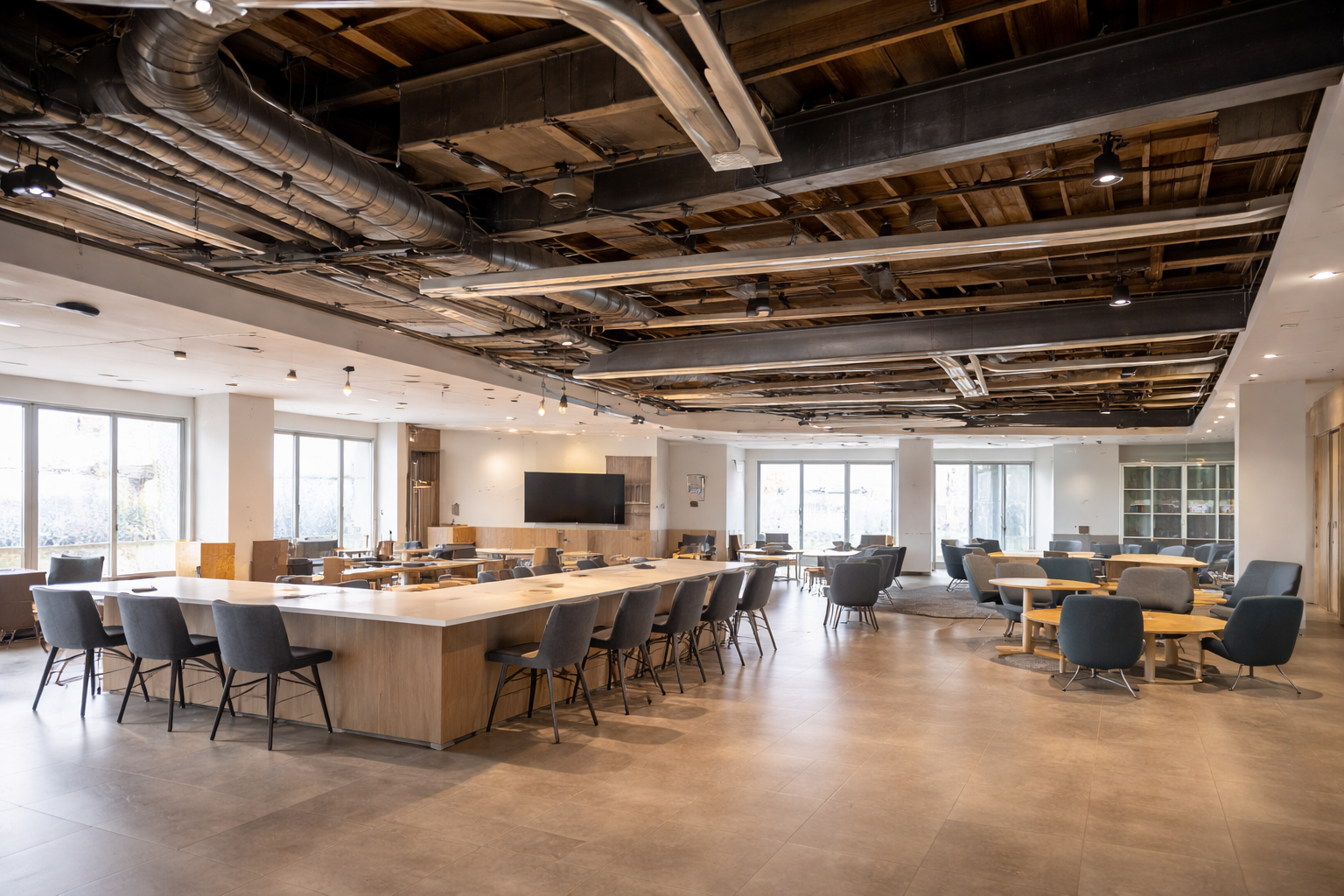
Before Removing Walls in a Commercial Space, Here’s What Matters Most
Commercial spaces change faster than the buildings that house them, as teams expand, departments merge, and workflows evolve. What once felt efficient can quickly become restrictive, pushing businesses to rethink how their space is organized.
Interior wall removal is often part of that process. Opening up offices, creating collaborative areas, or reworking layouts can improve how a workplace functions day to day. But in commercial buildings, removing a wall is never just a layout decision. It is a structural one, with effects that reach far beyond a single room.
For business owners, property managers, and decision-makers considering these changes, it’s important to understand what actually happens when a wall comes down, why commercial projects demand a different approach than residential ones, and how easily small missteps can turn into expensive problems.
Before any demolition is considered, understanding how commercial structures behave and involving experienced professionals early is essential. Reviewing the expertise behind the work, such as the specialists on the Load Bearing Wall Pro team, helps ensure structural decisions are made with long-term performance and safety in mind.
Why Commercial Wall Removal Requires a Different Mindset
Commercial buildings are designed to perform under different conditions than homes. They carry heavier loads, accommodate more people, and are expected to operate continuously without interruption.
Those differences matter the moment a wall is altered.
Commercial walls often support more than expected
In office buildings, retail spaces, and mixed-use properties, interior walls may contribute to vertical load transfer, lateral stability, or floor system support. Unlike residential homes, commercial structures often rely on fewer support points spread across wider spans.
A wall that appears to simply divide offices may be playing a role in how loads are distributed across beams, columns, or slabs.
Visual simplicity does not equal structural simplicity
Many commercial interiors are designed to look clean and modular. Drop ceilings, uniform finishes, and standardized layouts can mask the underlying structure. That visual consistency makes it easy to assume walls are interchangeable when they are not.
Removing the wrong wall without understanding its role can introduce stress into parts of the building that were never designed to carry it.
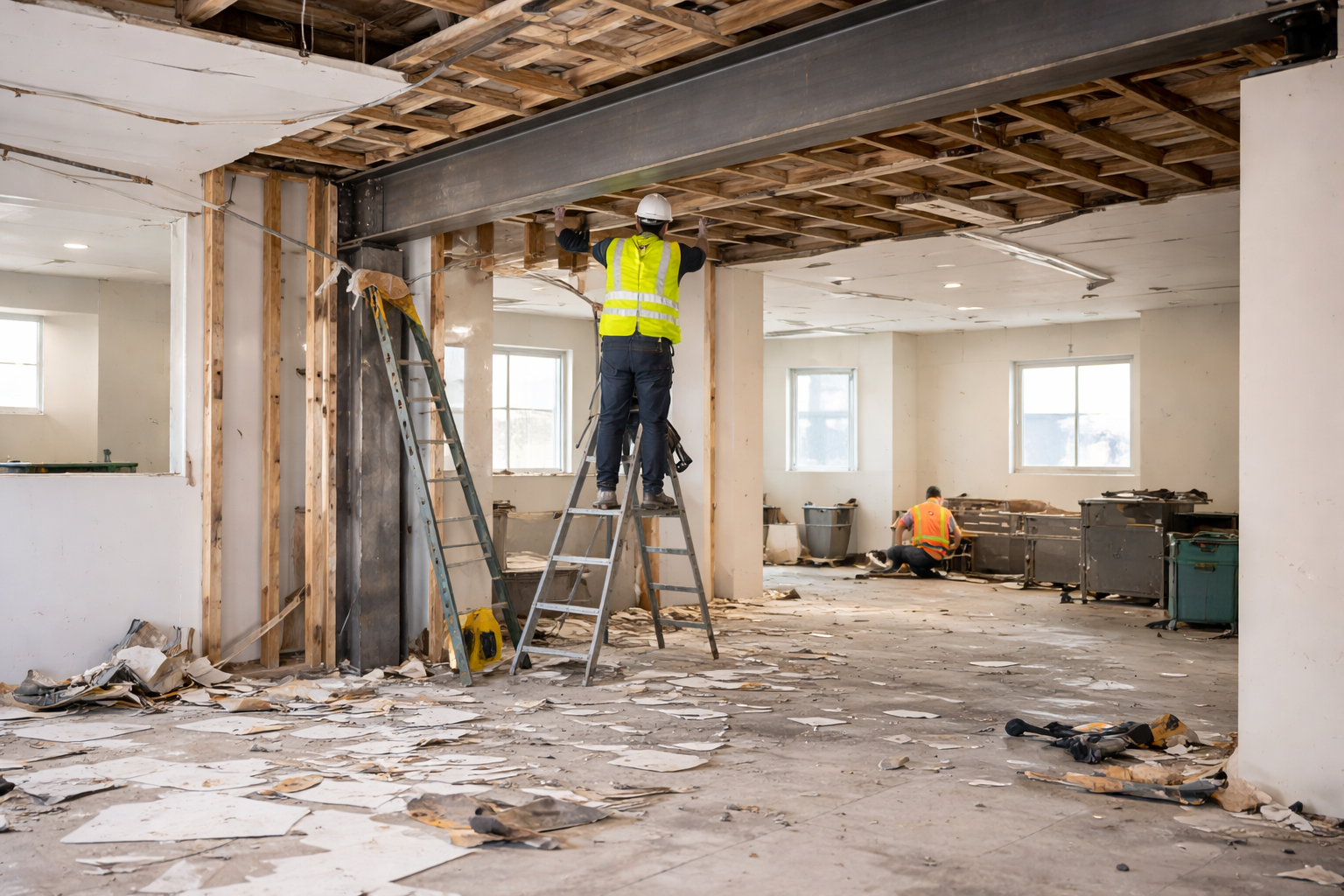
How Walls Function Within Commercial Building Systems
Walls in commercial spaces do not exist in isolation. They interact with a larger system that includes floors, ceilings, columns, and mechanical infrastructure.
Understanding that system is the foundation of safe wall removal.
Load paths must remain uninterrupted
Every building relies on continuous load paths to move weight safely from upper levels to the foundation. When a wall is removed, the load it was carrying does not disappear. It must be redirected intentionally through beams, columns, or other structural elements.
If that redirection is incomplete or poorly planned, the building will compensate on its own. That compensation often leads to deflection, cracking, or misalignment elsewhere.
Commercial spans amplify consequences
Commercial layouts frequently involve longer spans than residential spaces. With fewer intermediate supports, each structural element carries more responsibility. Removing even one wall can significantly change how forces move through the building.
This is why commercial wall removal demands careful analysis rather than assumption.
Wall Removal as a Business and Operational Decision
In commercial environments, wall removal is rarely about aesthetics alone. It is usually driven by operational needs.
Supporting collaboration and workflow
Open layouts can improve visibility, communication, and flexibility. Removing walls may allow teams to collaborate more easily or adapt spaces to changing needs.
However, these benefits only last if the structure supporting the space is designed to handle the change.
Planning for long-term adaptability
Businesses evolve. A layout that works today may need to change again in five years. Structural modifications should support future adaptability rather than limit it.
Professional commercial wall removal focuses on solutions that maintain structural integrity while allowing spaces to evolve.
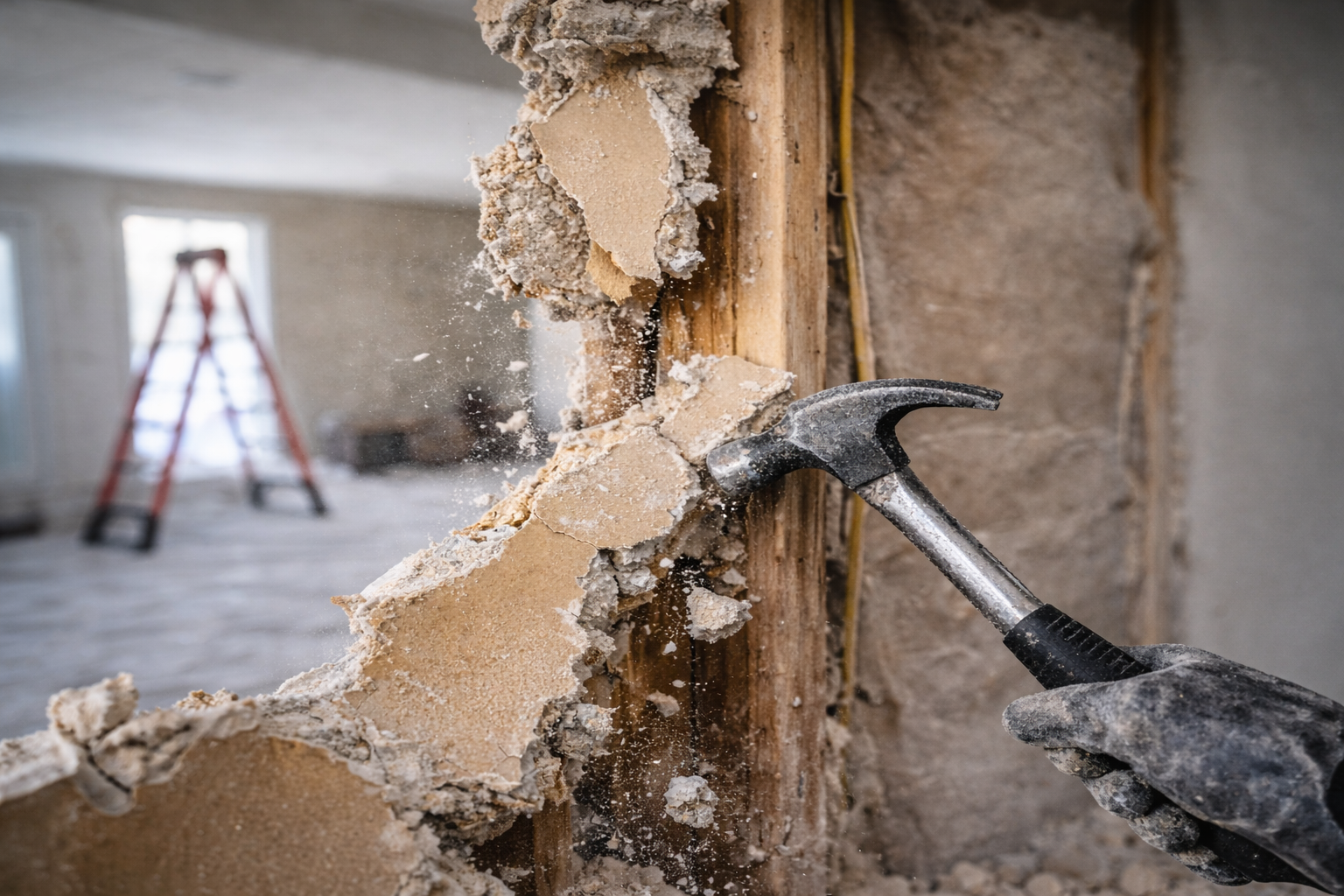
How Load Redistribution Affects Commercial Structures
Removing a wall transfers responsibility rather than eliminating it.
Replacement systems carry the load forward
When a structural wall is removed, its role is assumed by another element. This may involve beams, columns, or reinforced framing designed to match the demands of the building.
In commercial settings, these replacements must account for higher loads, wider spans, and stricter performance expectations.
Sequencing protects building stability
Structural systems do not tolerate gaps. Temporary support must be installed before removal, and permanent support must be in place immediately after.
Professional sequencing ensures the building behaves the same during construction as it did before work began. Skipping or altering that sequence introduces unnecessary risk.
How Wall Removal Can Affect Building Performance Over Time
Removing a wall in a commercial building does not end when construction is complete. From that point forward, the building operates under a new structural condition that influences how it responds to daily use, environmental factors, and long-term wear.
Understanding these long-term effects is critical when evaluating whether wall removal is the right decision and how it should be executed.
Structural changes extend beyond the immediate opening
When a wall is removed and replaced with a beam or alternate support, the load path through the building is altered. Even when the replacement system is properly designed, forces may be redistributed to adjacent elements that were not previously carrying that level of load.
Over time, these changes can influence how floors deflect, how framing responds to movement, and how connections behave under repeated stress. In commercial environments, where buildings experience constant use, these effects are magnified compared to residential settings.
Daily use accelerates structural response
Commercial buildings are subject to ongoing forces that most homes never experience. Foot traffic, rolling equipment, office furniture reconfiguration, vibration from mechanical systems, and temperature fluctuations all place stress on the structure.
A wall removal that does not account for these operational realities may perform adequately at first, but gradually show signs of fatigue or movement as these forces accumulate. Professional planning ensures that replacement systems are designed not just for static load, but for real-world conditions over decades of use.
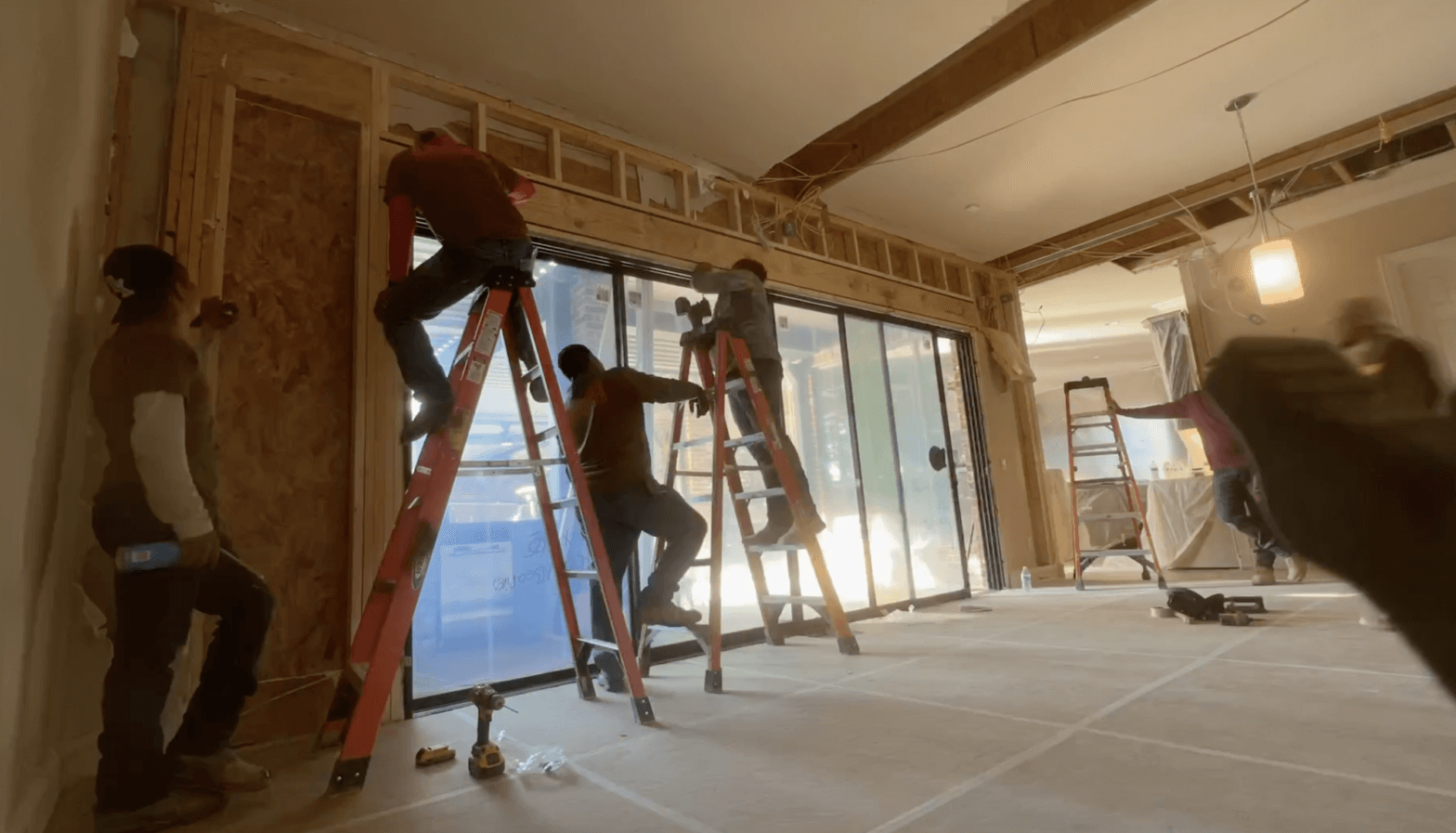
Temporary Support Is Critical in Commercial Projects
Temporary support is not a precautionary measure in commercial wall removal. It is a requirement.
Why commercial loads demand precision
Commercial structures often carry continuous loads from occupancy, equipment, and mechanical systems. Even short periods without proper support can cause permanent movement.
Temporary supports are designed to maintain alignment and load distribution while permanent changes are made.
Short-term imbalance creates long-term damage
Structural movement does not need time to develop. It needs imbalance. Even brief unsupported conditions can alter load distribution in ways that remain after construction is complete.
This is one of the most common points of failure in improperly managed commercial renovations.
Why DIY or Partial Solutions Create Risk in Commercial Spaces
Commercial wall removal is not a project that can be safely split between professionals and guesswork.
Short-term appearance hides long-term problems
A space may look fine immediately after walls are removed. Ceilings appear stable. Floors feel solid. But structural issues often develop gradually.
When symptoms appear months or years later, they are harder to diagnose and more expensive to correct.
Experience changes outcomes
Professionals evaluate commercial wall removal by looking at the entire structure, not just the area being modified. They anticipate how changes affect adjacent spaces and future use.
In commercial environments, professional involvement is not optional. It is essential.
Why Early Structural Input Saves Meaningful Cost and Disruption
In commercial projects, timing is often as important as design. One of the most common sources of cost overruns and schedule delays in wall removal projects is postponing structural evaluation until late in the process.
Early involvement changes the entire trajectory of a project.
Avoiding redesigns and mid-project corrections
When structural considerations are addressed after layout plans or construction schedules are already in place, changes become reactive rather than intentional. Beams may need to be resized, support locations adjusted, or additional reinforcement added after work has begun.
These mid-project corrections often lead to redesign fees, extended timelines, and disruption to business operations. Early structural input allows wall removal plans to be aligned with the building’s actual capabilities from the start.
Protecting business continuity during renovations
For many commercial spaces, staying operational during renovations is essential. Unexpected structural changes can force work stoppages, restricted access, or temporary closures that impact productivity and revenue.
By evaluating structural requirements early, professionals can plan wall removal in a way that minimizes disruption, sequences work more efficiently, and avoids surprises that interfere with day-to-day operations.
Treating structural input as a starting point rather than a checkpoint is one of the most effective ways to control cost, protect schedules, and ensure a smoother renovation process.
Wall Removal Often Leads to Additional Structural Adjustments
Removing a wall frequently reveals other structural needs.
Load redistribution affects more than one area
Once loads are redirected, additional reinforcement may be required elsewhere to maintain performance. These adjustments are part of responsible structural planning, not mistakes.
Viewing wall removal as part of a larger scope
Understanding that wall removal may involve broader structural services helps prevent surprises during construction.
Early planning allows these needs to be addressed efficiently.
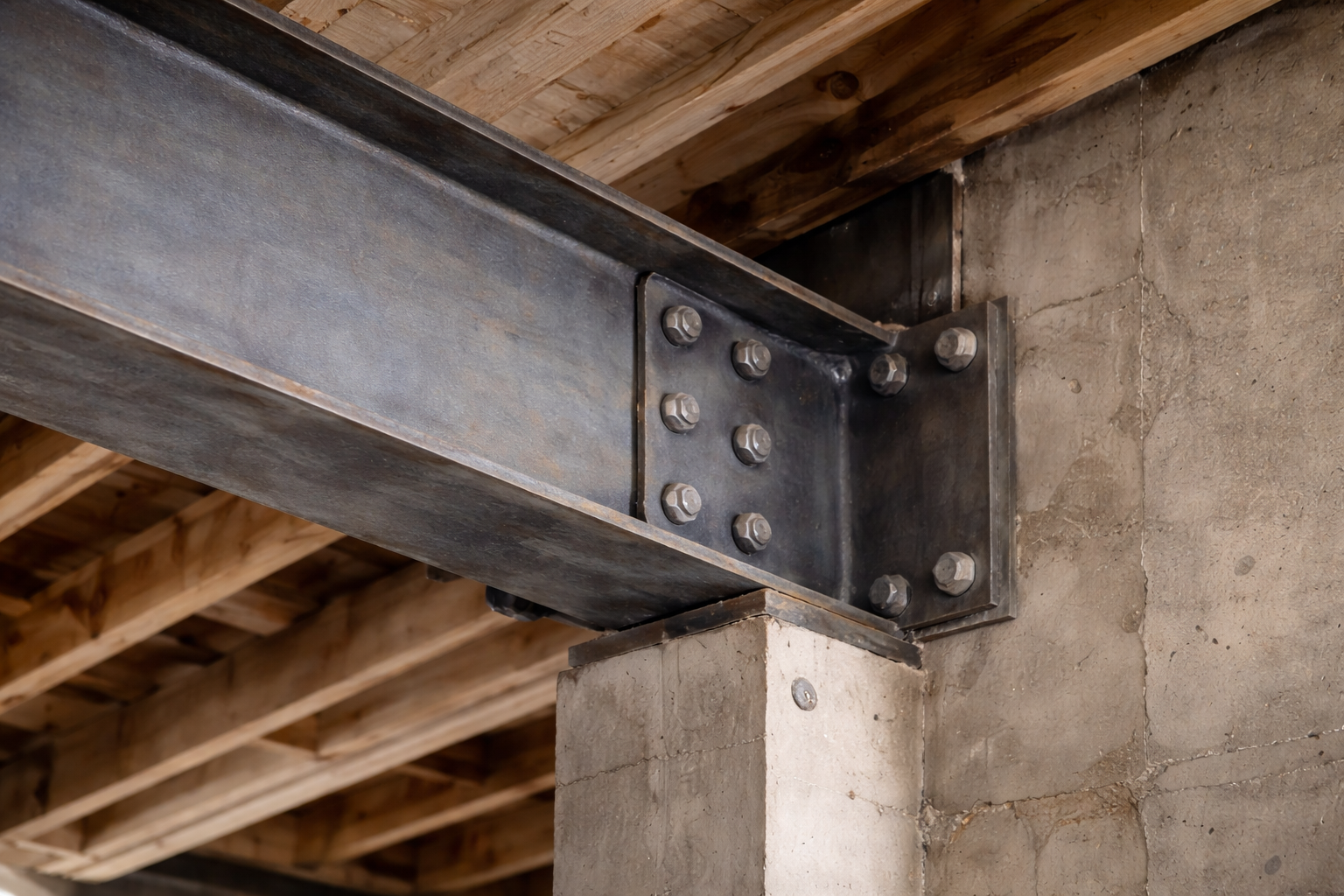
Structural Performance and Load Distribution in Commercial Buildings
Buildings don’t rely on guesswork to stay standing. They are designed around proven engineering principles that control how weight moves through the structure. One of the most important of these principles is the load path, the route that weight from floors, ceilings, and equipment follows as it travels through walls, beams, and columns down to the ground. Guidance on how buildings are designed to carry structural loads explains why these paths must remain continuous for a building to perform safely.
When that path is interrupted such as removing a structural wall without a properly designed replacement the building doesn’t usually fail right away. Instead, stress is redirected elsewhere, often leading to gradual sagging, cracking, or movement over time. Professional commercial wall removal focuses on preserving these load paths so the building remains stable and reliable throughout its service life.
FAQ About Commercial Wall Removal
Are interior walls in commercial buildings usually structural?
Many are, especially in wide-span layouts or multi-story buildings.
Can wall removal improve office efficiency?
It can, but only when structural integrity and building systems are preserved.
Is temporary support always required?
Yes, whenever a structural wall is involved.
Can wall removal affect other parts of the building?
Yes. Structural systems are interconnected, and changes often affect areas beyond the immediate opening.
Is it safe to remove a commercial wall without professional help?
No. Commercial wall removal should always be handled by qualified professionals.
Commercial Wall Removal Is a Structural Decision, Not a Design Shortcut
Removing walls in a commercial space can improve how a business operates, but only when the structure beneath the space is respected.
Structural problems rarely appear immediately. They develop over time as loads shift and stress accumulates.
Approaching commercial wall removal as a structural commitment, rather than a layout shortcut, protects the building, the business, and everyone who uses the space.
If you are considering removing walls in a commercial property, contact the Load Bearing Wall Pro team to evaluate your space and determine the safest path forward. A professional assessment ensures the work is done correctly the first time and remains structurally sound for years to come.
About the Author
Jason Hulcy, the founder of Load Bearing Wall Pros, is a seasoned expert in wall removal and home renovations. With a passion for innovation and sustainability, he has helped countless homeowners achieve their dream spaces safely and efficiently. Learn more about his expertise here.
Recent posts
-
-
 October 26, 2022