


February 22, 2023


What’s the Best Way to Preserve Acoustics After Opening Up Spaces?
When you picture your dream open-concept home, the kind where the kitchen, dining, and living areas flow seamlessly into one bright and social space, you imagine freedom. More natural light, easier movement, and shared family moments. But there’s something most homeowners only notice after the renovation dust settles: sound.
That beautiful openness can quickly turn into echo, noise overlap, and lost privacy. The hum of the fridge reaches the sofa. The TV competes with conversation. You might love the look, but the feel changes because sound travels differently when walls disappear.
At Load Bearing Wall Pros, we believe great design considers how your home sounds, not just how it looks. Our job doesn’t end with removing a structural wall, it extends to building an environment that feels comfortable, calm, and livable long after construction is complete.
If you’re planning to open your space but want to keep the peace (literally), schedule your free onsite estimate today. Our team manages everything from wall removal to sound comfort so your home stays both open and acoustically balanced.
Understanding Why Acoustics Change After Wall Removal
A structural wall does more than carry load – it also blocks and absorbs sound. Once it’s gone, those frequencies have fewer surfaces to bounce off or break against, creating longer reverberation times.
When you open your layout, sound waves:
- Travel farther without being diffused.
- Reflect off hard surfaces like drywall, floors, and countertops.
- Merge across spaces, blurring the lines between quiet and active zones.
So the same remodel that brings together family spaces can also bring together sound sources you never wanted overlapping the kitchen vent hood, music speakers, and living room TV all interacting in one open chamber.
This is where acoustic planning matters. The right materials, layouts, and finishes can make your open concept space both vibrant and peaceful.
That’s why our load bearing wall removal process always includes acoustic considerations from the start not as an afterthought.
Structure and Engineering: The Silent Foundation
Every successful wall removal starts with engineering, but few homeowners realize that sound comfort begins there too.
When we design a beam-and-post system, we’re not only ensuring the home’s stability, we’re setting the tone (literally) for how vibration, impact, and sound move through that structure.
How Structure Affects Sound
- Beam type: Steel beams can carry vibration differently than engineered wood (LVL). Choosing materials and connections carefully helps minimize resonance.
- Framing details: Our framers use isolation pads or acoustic gaskets under beam seats or post bases to prevent noise transfer between floors.
- Ceiling transitions: When ceilings are connected to a beam opening, proper decoupling prevents footfall and structural echo.
Permits and Inspections
While we don’t handle permit applications directly, our engineering plans are designed to meet local code requirements and inspection standards. This ensures your structure is ready for smooth approval and can include options like sound insulation and fire-rated materials where needed.
As Rockwool’s building acoustics guide notes, building codes increasingly emphasize sound insulation as a comfort and safety factor, not just an aesthetic one.
When structure and sound are planned together, you avoid the “echo box” problem that plagues many open homes.
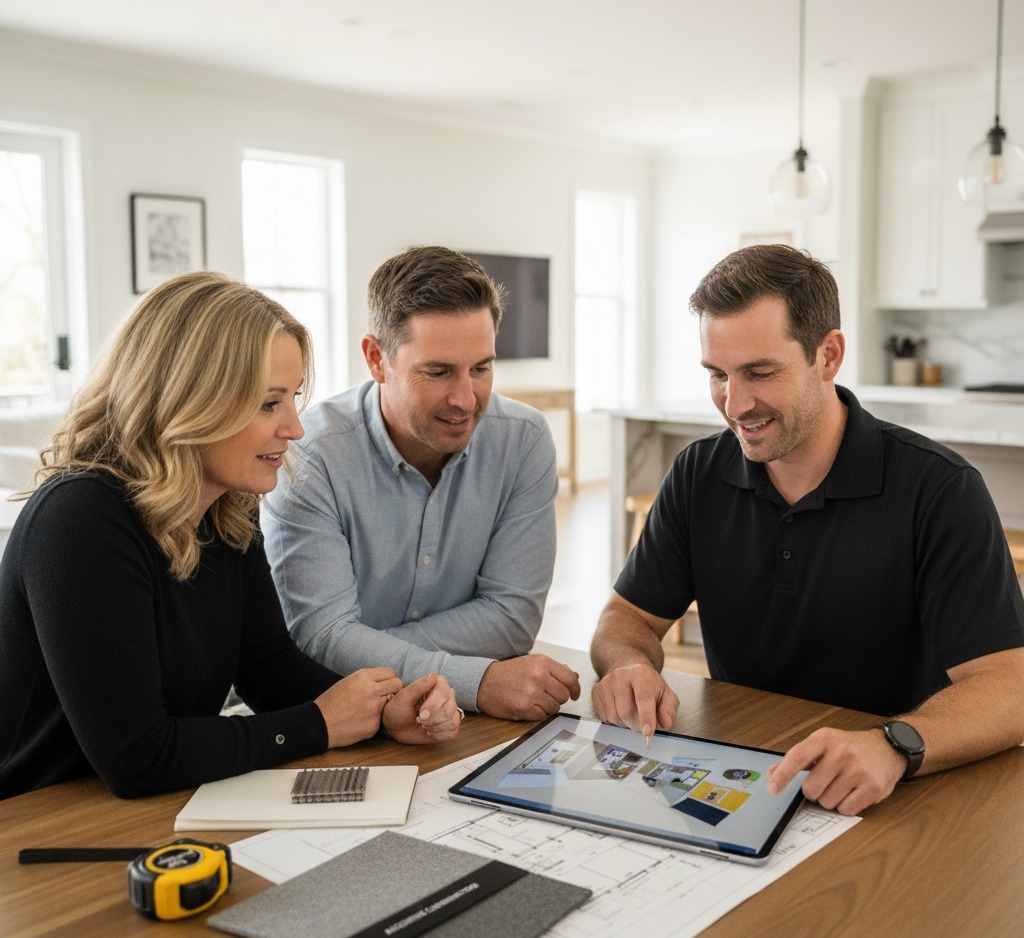
Zoning for Sound: Designing With Flow
Once the wall is gone, your home becomes one continuous acoustic landscape. You can’t fully stop sound from traveling but you can shape how it travels.
Creating “Zones” Within Openness
At Load Bearing Wall Pros, we guide homeowners to think of open-concept layouts as interconnected zones rather than one giant room. This allows subtle separation of activities through design instead of barriers.
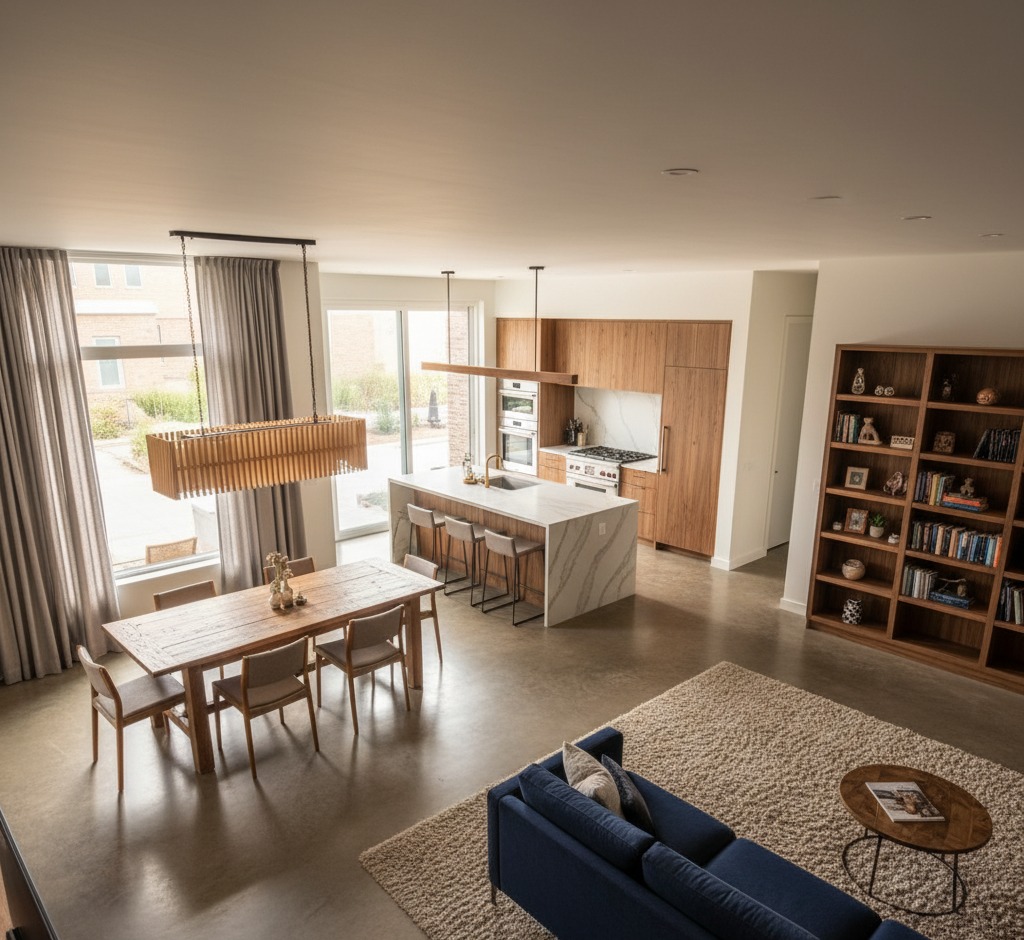
- Kitchen zone: Use pendant lighting and islands to visually define the area, then place acoustic ceiling panels or rugs to soften hard flooring.
- Dining zone: Upholstered chairs and curtains help absorb reflection from nearby windows.
- Living zone: A sectional sofa or built-in shelving can double as a sound buffer.
Even without physical walls, thoughtful furniture placement and ceiling variation can reduce perceived noise.
Choosing Sound-Friendly Finishes
Surface materials can make or break your acoustics. Glossy tile and hardwood reflect sound, while textured walls and rugs absorb it.
We often recommend integrating:
- Acoustic ceiling panels or drop sections for targeted absorption.
- Fabric or cork wall panels in entertainment areas.
- Rugs and runners to soften sound in connecting hallways.
Furniture as Acoustic Tools
A tall bookcase, a partition with plants, or even drapery behind a couch can act as mini sound traps. During walkthroughs, we discuss these practical touches with clients so your home design and acoustics evolve together.
Hidden Layers: Insulation and Soundproofing
What homeowners don’t see can make the biggest difference. Behind every smooth finish, we’re layering sound control into the bones of your structure.
Smart Insulation Choices
When the wall comes down, the new framing and ceiling become prime places to improve your home’s STC (Sound Transmission Class) rating.
We often use:
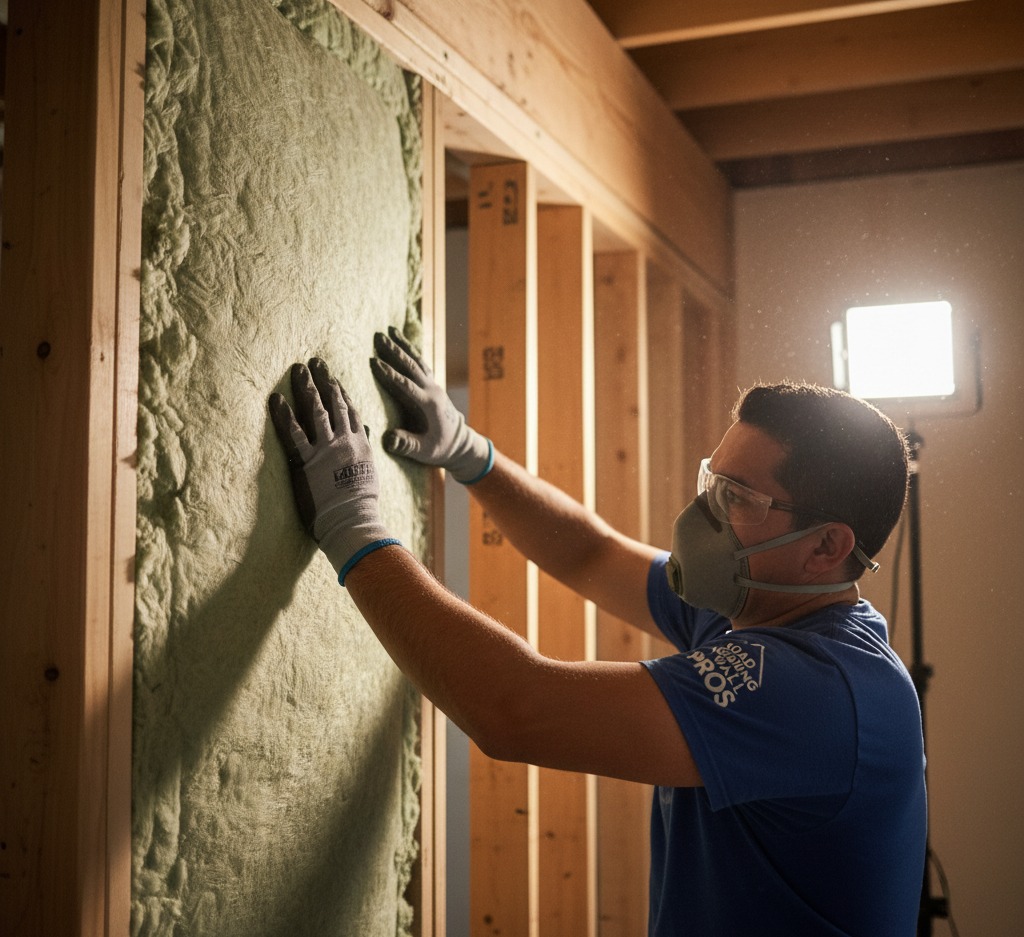
- Mineral wool insulation for higher density and sound absorption.
- Resilient channels between framing and drywall to decouple vibration.
- Acoustic caulk and seals around beams, outlets, and light fixtures.
These upgrades don’t change the appearance of your home but they absolutely change the feel.
Managing Floor and Ceiling Transmission
Sound doesn’t just move sideways it travels vertically. To prevent noise between floors, we integrate underlayment and subfloor sound barriers when modifying load-bearing beams or posts.
Inspecting for Gaps and Transfers
Before closing up drywall, our crews inspect every cavity for air leaks or direct contact points that can transmit sound. The difference between “echo” and “quiet conversation” often comes down to these small but critical details.
Living With Sound Real-World Acoustic Comfort
Once the construction dust clears, how you live in the space matters as much as how it was built.
Everyday Acoustic Habits
- Add area rugs and window treatments they absorb mid- and high-frequency sound.
- Use soft furnishings to balance the room; large hard tables can amplify clatter.
- Keep clutter in check: open shelving and reflective décor can bounce sound.
- Group loud activities (TV, music, kitchen) away from quieter zones.
Smart Home Integration
Modern homes can take advantage of sound zoning systems and smart speakers that automatically adjust sound levels based on ambient noise. We often advise clients on integrating this tech during kitchen remodels or full room reconfigurations.
Maintaining Acoustic Balance Over Time
Acoustic comfort isn’t a one-time setup. As you update furniture, flooring, or appliances, we recommend an annual walkthrough to evaluate changes. Small adjustments like adding a rug or switching curtain materials can restore the balance.
When you work with Load Bearing Wall Pros, you get that post-project support included.
Future-Proofing Your Open Concept
Your open concept home is a long-term investment. The best way to protect both its structure and sound quality is by planning for flexibility.
Thinking Ahead During Design
If you ever plan to add new features such as a breakfast bar, home office, or entertainment zone we help you anticipate how those changes will impact acoustics. Our engineering and framing teams collaborate on each wall-to-door conversion or structural expansion so that your space evolves without losing balance.
Integrating Hidden Sound Zones
We can build in hidden conduits or framing pockets that allow you to retrofit acoustic panels, additional lighting, or ceiling baffles later. That foresight saves cost and prevents disruption.
Documenting for the Future
Every project concludes with a post-construction review of beam and sound-insulation specs. This helps homeowners (or future remodelers) understand how the structure supports both weight and sound.
Ceiling and Material Design for Better Acoustics
After removing a structural wall, the ceiling becomes the main surface shaping how sound moves through your space. A flat, continuous ceiling can amplify echo, but subtle design choices can keep things balanced.
Ceiling and Lighting Solutions
Dropped or tray ceilings help define zones while breaking up sound reflections. Textured finishes or acoustic ceiling panels scatter sound energy and reduce harshness. Even lighting plays a role: pendant fixtures or soft LED strips can absorb or redirect sound, adding warmth while keeping the space calm.
Material and Finish Choices
Every surface affects acoustics. Wood accents, slatted beams, or decorative wall panels add depth and act as natural sound diffusers. Fabrics, rugs, and soft furnishings reduce reflections and make large rooms feel more comfortable.
At Load Bearing Wall Pros, we integrate these design elements early in the wall removal process, ensuring your open space looks beautiful and sounds balanced from day one.
Common Questions About Preserving Acoustics
How does removing a structural wall affect acoustics?
Removing a load bearing wall changes how sound moves through your home. The wall previously acted as a sound barrier so, without it, sound waves can travel freely and create echoes or overlapping noise between rooms.
What’s the best way to reduce echo in an open concept space?
Use a mix of soft materials like rugs, drapes, and acoustic wall panels. Add upholstered furniture, curtains, and area rugs in key reflection points such as near windows, beams, or the kitchen area.
Can soundproofing be added after the wall is removed?
Yes, but it’s easier and more cost-effective to integrate acoustic insulation and seals during the wall removal process. Retrofitting soundproofing later can be done with panels or additional ceiling treatments.
Will adding a beam make the space louder?
Not necessarily. Properly installed beams with isolation pads and sealed connections don’t amplify sound. Poor installation or hollow cavities can cause vibration, which is why engineering precision is key.
Does furniture placement really make a difference in acoustics?
Yes. Strategic furniture placement can dramatically reduce echo and sound travel in open spaces. Large sofas, bookshelves, rugs, and curtains absorb or diffuse sound waves, helping separate noisy zones like kitchens from quieter areas such as living rooms or home offices. Even plants and décor can contribute to a more balanced sound environment.
Open Space, Balanced Sound
Creating an open, welcoming home doesn’t have to mean giving up on tranquility. With the right balance of structure, finishes, and forethought, your remodel can look stunning and sound soothing.
At Load Bearing Wall Pros, we bring together engineers, framers, electricians, finishers, and sound-conscious designers to deliver open-concept spaces that work in real life visually and acoustically.
If you’re ready to expand your living space without inviting unwanted noise, schedule your free onsite quote today.
About the Author
Jason Hulcy, the founder of Load Bearing Wall Pros, is a seasoned expert in wall removal and home renovations. With a passion for innovation and sustainability, he has helped countless homeowners achieve their dream spaces safely and efficiently. Learn more about his expertise here.
Recent posts
-
-
 October 26, 2022