


February 22, 2023

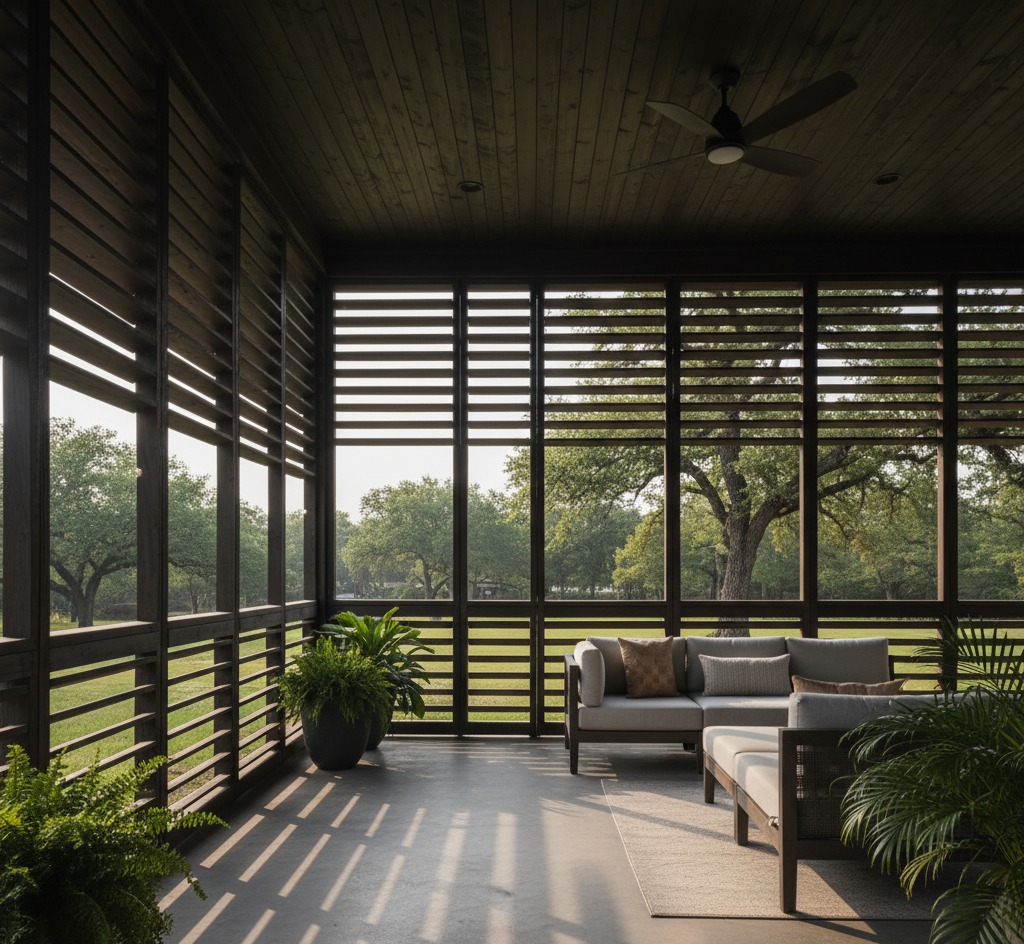
Can You Enclose a Porch Without Affecting Natural Ventilation?
For many Texas homeowners, the porch is more than an outdoor extension. It is the spot where summer breezes roll through, shade softens the afternoon heat, and where the home transitions from indoors to outdoors with comfort and ease. And that’s what makes the idea of enclosing a porch both exciting and nerve-wracking – on one hand, you gain more usable space, but you also wonder: can I enclose it without losing that nice natural airflow?
As a matter of fact, yes. With the right strategy, you can enclose your porch while keeping it breezy, comfortable, and open. The key is understanding how airflow works, how enclosure design affects ventilation, and whether any structural work is required to support the new layout.
Before we break down the different enclosure options, structural considerations, and airflow strategies, you can get clarity on what applies to your home by meeting our team and scheduling a free onsite estimate. We handle the structural phase of your project, including planning, temporary support, and beam installation, so your finished trades have a solid foundation to build on.
Up next, you will get a clear picture of how the entire process works from start to finish.
Understanding How a Porch Influences Airflow
Texas porches are often positioned to take advantage of natural breezes and provide a cooling effect on the sides of the home that receive the most sun. When you begin enclosing that space, airflow patterns change. That doesn’t mean ventilation disappears, but it does mean you need to plan carefully.
A porch influences ventilation in three main ways:
1. It provides shade
Shading the exterior walls reduces indoor heat. When the porch is enclosed with breathable materials, it continues to serve this purpose.
2. It guides wind toward openings
Depending on its orientation, a porch can channel breezes toward living room windows, French doors, or kitchen areas.
3. It acts as a thermal buffer
During the day, the porch warms more slowly than outdoor air, which reduces temperature swings inside.
Keep in mind that when you enclose a porch, the goal is to preserve these benefits while giving the new space more function and comfort.
Do You Lose Ventilation When You Enclose a Porch?
Only if you choose the wrong design.
Enclosing a porch does not automatically eliminate airflow. In fact, some enclosure types improve ventilation by redirecting breezes and increasing shade.
You can maintain ventilation by choosing breathable materials, adding adjustable openings, or designing for cross-flow. The trick is selecting an enclosure style that matches your climate, your porch orientation, and your home’s structural layout.
Types of Porch Enclosures That Maintain Natural Ventilation
Below are the most common porch enclosure methods that preserve airflow while adding comfort and function.
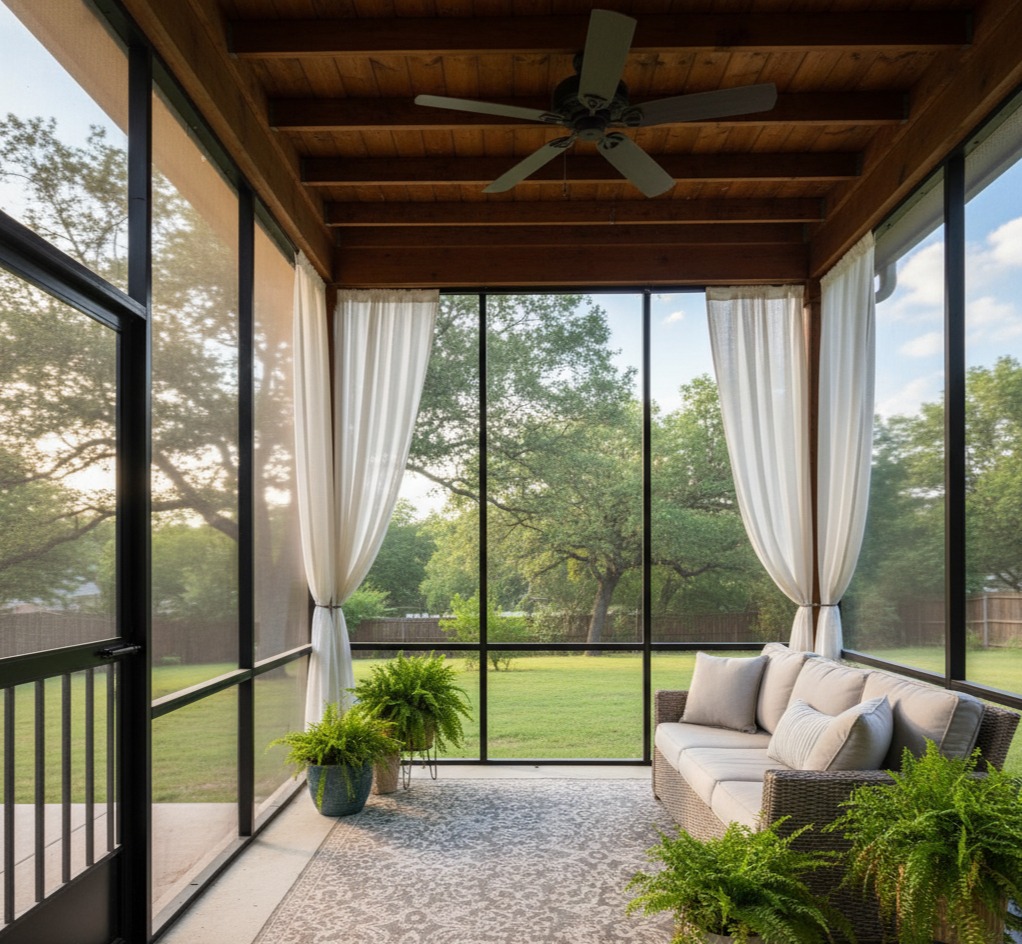
1. Screen Enclosures
A screened porch is widely considered the best alternative to not lose ventilation. Screens allow nearly full airflow but keep pests and debris out.
Benefits include:
- Excellent natural breeze
- Minimal structural modification
- Day-to-night comfort
- Strong temperature moderation
Wide screen panels or full-height screens maximize ventilation and visibility.
2. Operable Window Systems
Sliding, folding, or stacking glass systems provide flexibility. You can fully open the porch on mild days and partially close it during storms or hot afternoons.
Homeowners who use operable window systems often explore how beam placement affects opening size. Our guide on how to select different types of support beams helps explain how structural openings support large window panels.
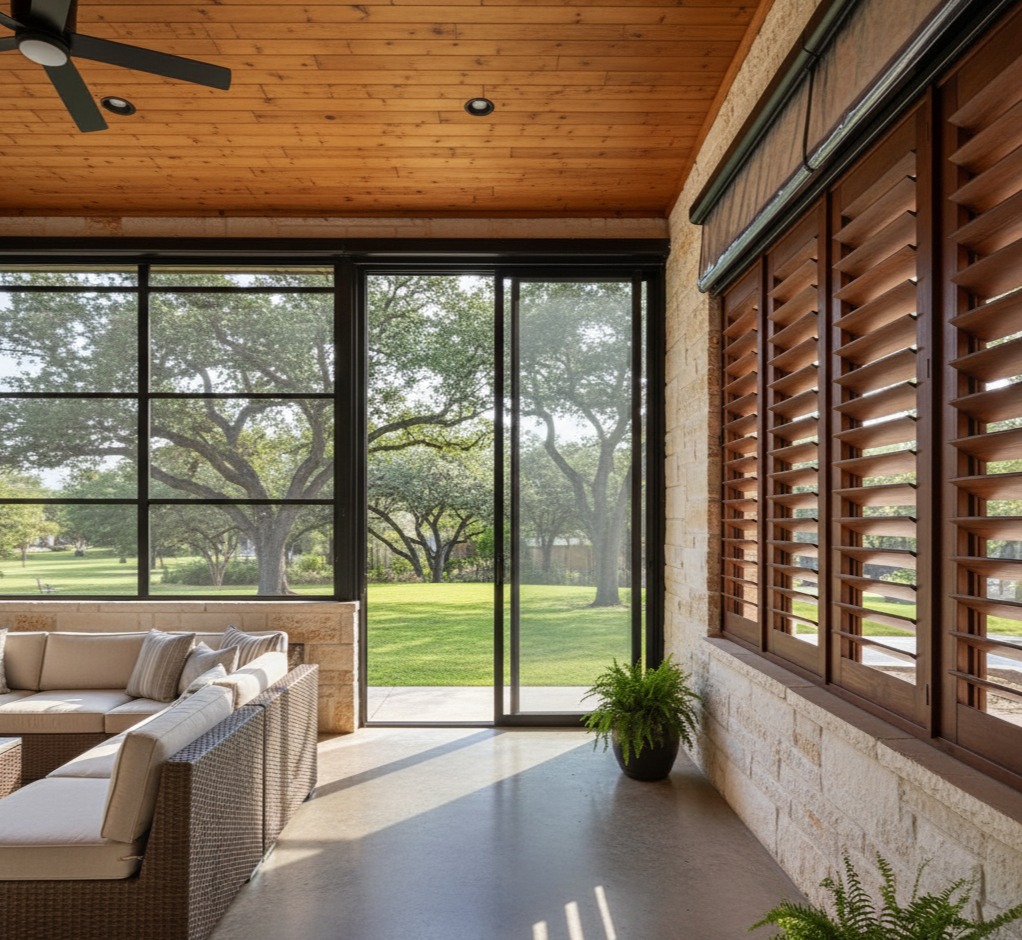
3. Louvered Walls and Panels
Adjustable louvers let you control airflow angle, sunlight, and privacy. Even when closed, they permit a degree of airflow.
This system is ideal for porches facing direct sun or for homeowners seeking subtle privacy while maintaining ventilation.
4. Half-Height Walls With Open Upper Sections
A half wall or knee wall enclosure retains airflow by keeping the upper area screened or open. This helps protect furniture and pets while maintaining a steady breeze.
5. Hybrid Systems
Many Texas homeowners combine:
- Screens
- Louvered shutters
- Sliding panels
- Retractable vinyl
These provide seasonal flexibility and keep the space functional year-round.
How Porch Enclosures Affect Air Circulation
To understand whether airflow will be affected, it helps to consider how air naturally moves around a home.
Wind Direction and Home Orientation
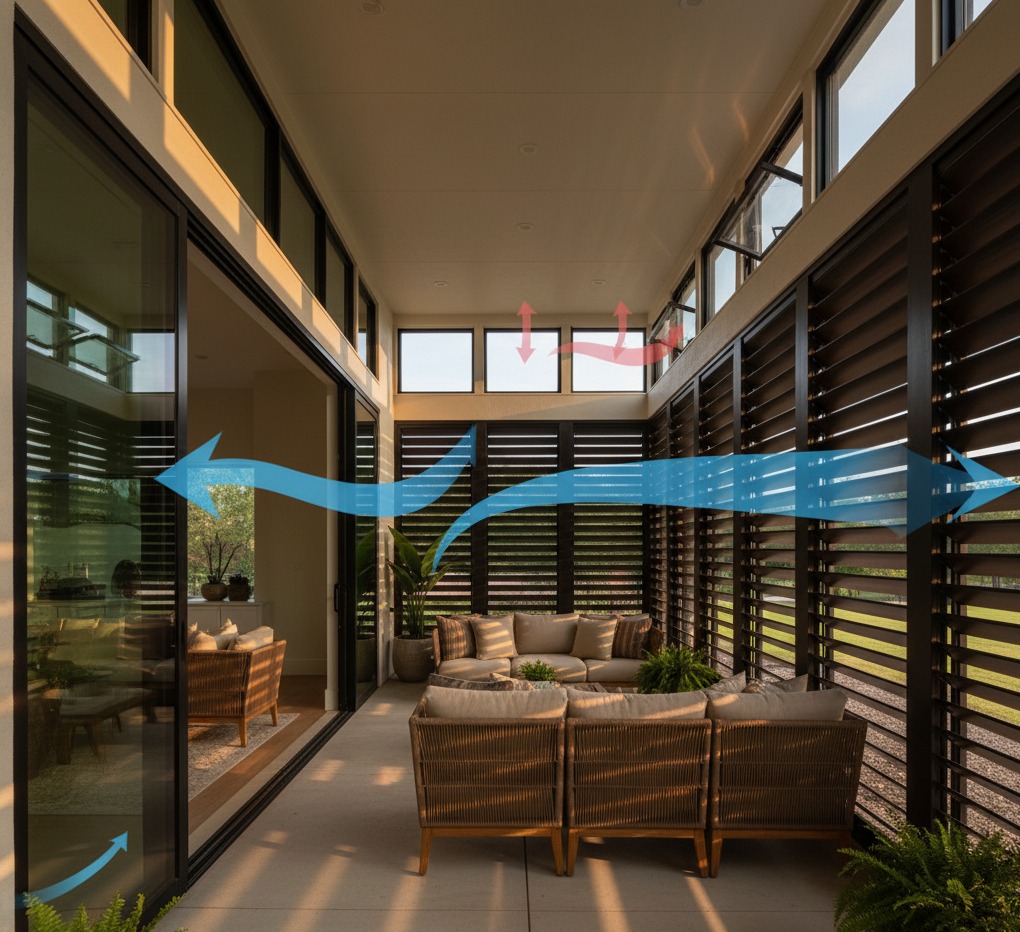
The porches that maintain ventilation best are those oriented toward regular breezes. Enclosures that can open widely in at least two directions help maintain cross-ventilation.
Stack Ventilation
Warm air rises. Adding upper screened openings or clerestory ventilation allows hot air to escape while cooler air enters at the lower sections.
Pressure Differences
Pressure zones around the home push and pull air. A porch enclosure becomes part of this system, not a blockage, as long as openings are placed intentionally.
Shading Reduces Heat Buildup
Enclosures often reduce heat gain by shading direct sun. When temperatures inside the porch stay cooler, natural airflow feels stronger.
The American Institute of Architects provides helpful insights on airflow, shading, and passive ventilation in their sustainability research.
Shading Reduces Heat Buildup
Enclosures often reduce heat gain by shading direct sun. When temperatures inside the porch stay cooler, natural airflow feels stronger and more consistent. Thoughtful shading design plays a major role in keeping enclosed porches comfortable throughout the Texas heat.
For homeowners exploring how shading affects airflow, comfort, and energy performance, the Whole Building Design Guide offers detailed insights on architectural shading strategies that help reduce heat buildup and improve overall ventilation.
Planning a Porch Enclosure Without Losing Airflow
A successful enclosure that still feels open and airy begins with understanding how structure, materials, and airflow work together.
1. Begin With a Structural Assessment
If enclosing your porch involves modifying a beam, column, or load bearing wall, a structural evaluation is essential.
Load paths must be respected when walls or posts are added or removed. Our page on load bearing wall removal explains how structural support systems are designed and installed during renovations.
2. Choose Breathable or Adjustable Materials
Screens, louvers, vented panels, and operable windows all allow fresh air to flow freely. The more adjustable the system, the better it performs across seasons.
3. Maintain Cross-Ventilation
Cross-flow requires openings on at least two sides. A porch enclosed entirely in glass without venting will trap heat. Strategic placement makes all the difference.
4. Include Upper Ventilation Points
High openings allow warm air to escape, which dramatically improves comfort.
5. Use Shading Elements
Shading prevents heat from building in the enclosure, which keeps airflow comfortable. Some examples include:
- Overhangs
- Pergola extensions
- Exterior screens
- Trees or landscaping
6. Understand When Structural Modifications Are Needed
You may need structural work if:
- You widen or relocate an opening
- You extend the roofline
- You add framing that ties into the house
- You remove or modify a load bearing element
During porch conversions, homeowners often reference our guide on creating open floor plans safely because many of the same load path principles apply.
When an Enclosure Improves Ventilation Instead of Restricting It
Many homeowners are surprised to learn that an enclosed porch can actually enhance ventilation rather than block it. When done correctly, the enclosure becomes a buffered airflow zone that cools adjoining rooms and improves circulation throughout the home.
How Enclosures Shape Air Movement
Enclosures don’t trap air by default. They influence it. With the right openings, materials, and design features, an enclosed porch can redirect breezes into your living areas while reducing heat gain.
Airflow Redirection
Screens, operable windows, or louvered panels can be angled to guide breezes toward key living spaces. Instead of losing airflow, you may gain more directional control.
- Angled louvers push fresh air deeper into your porch
- Sliding window systems create larger opening widths
- Wide screens allow the breeze to move freely across the entire span
Porches facing prevailing winds benefit most dramatically, especially if the enclosure allows air to enter on one side and exit on another.
Thermal Buffering
A semi-enclosed porch acts as a cooling chamber. By shading the walls and blocking direct sun, the porch stays cooler than the outside air. This temperature difference encourages natural ventilation inside your home.
- Cooler porch air draws warm interior air outward
- The enclosed shade reduces heat radiating into indoor rooms
- Ceiling fans work more efficiently due to lower ambient temperatures
This thermal buffer effect is one reason many homeowners notice less heat in kitchens or living rooms after enclosing the porch.
Wind Capture Through Design
Some enclosures can actually capture breezes that would otherwise bypass the home. This works especially well when the enclosure incorporates:
- Louvered vents angled toward the dominant wind direction
- Tall upper openings that allow warm air to escape
- Operable window walls that open fully when needed
By shaping wind pathways, the enclosure becomes a passive ventilation tool.
Design Features That Make Enclosures Feel Open
Ventilation isn’t just about airflow; it’s also about the feeling of openness. Even an enclosed porch can maintain the breezy, outdoor character that made it appealing in the first place.
Maintain Open Sightlines
Open sightlines have a significant psychological impact. Wide openings, minimal framing, and large-screen expanses help the space feel airy, even when enclosed.
- Use full-height screen panels
- Choose wide-format operable windows
- Avoid overly segmented framing that breaks up the view
When visual barriers disappear, the space still feels connected to the outdoors.
Use Natural Materials
Materials matter. Wood tones, woven textures, and neutral colors help maintain an outdoor ambiance.
- Wood trim softens the look of enclosure framing
- Natural fabrics create airflow without blocking light
- Screens and slatted panels maintain visibility and breeze
This combination keeps the enclosure from feeling tight or boxed in.
Extend Indoor Flooring
Continuity enhances spaciousness. Many homeowners run indoor flooring into the porch or choose a complementary material to create a seamless transition.
This doesn’t directly affect airflow, but by encouraging movement between the porch and the main living area, it strengthens the sensation of openness.
Prioritize Large Operable Areas
The wider the opening, the more the porch feels connected to the outdoors.
- Sliding panels
- Accordion windows
- Full screen walls
- Hinged doors with large glass panes
Whether the panels open partially or fully, you gain the option to match airflow to weather conditions.
Preparing for the Project
A porch enclosure that maintains ventilation begins with thoughtful planning. The structural work comes first, followed by materials selection, then finishing and optional comfort upgrades. Below is a homeowner-friendly breakdown of the early phases.
Step 1: Structural Planning
Structural planning ensures your porch can safely support its new configuration. If enclosing the porch involves removing or modifying a load bearing wall, relocating posts, or widening openings, structural adjustments may be required.
Load Bearing Wall Pros focuses on:
- Assessing how existing loads are supported
- Coordinating with a licensed engineer for required structural design
- Installing temporary supports when needed
- Placing beams or columns to safely carry weight
- Preparing the structure so additional trades can complete finishes
This step protects your home’s integrity and ensures the enclosure has a stable foundation.
Step 2: Ventilation Strategy
Ventilation planning should occur early, ideally before choosing materials or enclosure systems. This is where airflow is intentionally designed rather than left to chance.
Important questions to consider:
- What direction do the prevailing winds come from?
- How much airflow do you want year-round?
- Do you need privacy while keeping ventilation?
- Are seasonal adjustments important to you?
- Will upper or lower openings help vent warm air?
Your enclosure materials screens, louvers, window walls, or hybrid systems should match your ventilation goals.
Step 3: Coordinating Follow-Up Trades
Once the structure is properly supported, follow-up trades can complete their work safely. A typical porch enclosure may involve:
- Screen installers
- Window contractors
- Finish carpenters
- Electrical professionals (for fans or lighting)
- Painting or exterior finishing crews
Load Bearing Wall Pros can complete just the structural portion or manage the entire remodel, ensuring all framing and structural support is properly engineered to proceed without complications.
This smooth sequencing ensures your finished porch is both beautiful and practical without compromising airflow or structural integrity.
Common Questions About Porch Enclosure Ventilation
Does enclosing a porch eliminate airflow?
Not necessarily. Choosing the right materials and venting strategies maintains natural ventilation.
Which enclosure method keeps the most airflow?
Screens and operable window systems offer the highest ventilation.
Do you need structural work to enclose a porch?
Only if you modify load bearing elements, widen openings, or attach new framing to the home.
Can an enclosed porch make the home hotter?
Not when shading, airflow paths, and upper ventilation are incorporated.
Build Your Porch the Right Way From the Start
An enclosed porch can add living space, shade, comfort, and beauty. With the right airflow strategy, it can still feel airy and connected to the outdoors. The key is ensuring that any required structural work is completed safely so your enclosure performs as intended.
If you want expert guidance on the structural phase of your porch enclosure, schedule your free onsite quote. You will get the clarity needed to create a porch that feels fresh, functional, and perfectly suited to Texas living.
About the Author
Jason Hulcy, the founder of Load Bearing Wall Pros, is a seasoned expert in wall removal and home renovations. With a passion for innovation and sustainability, he has helped countless homeowners achieve their dream spaces safely and efficiently. Learn more about his expertise here.
Recent posts
-
-
 October 26, 2022