


February 22, 2023

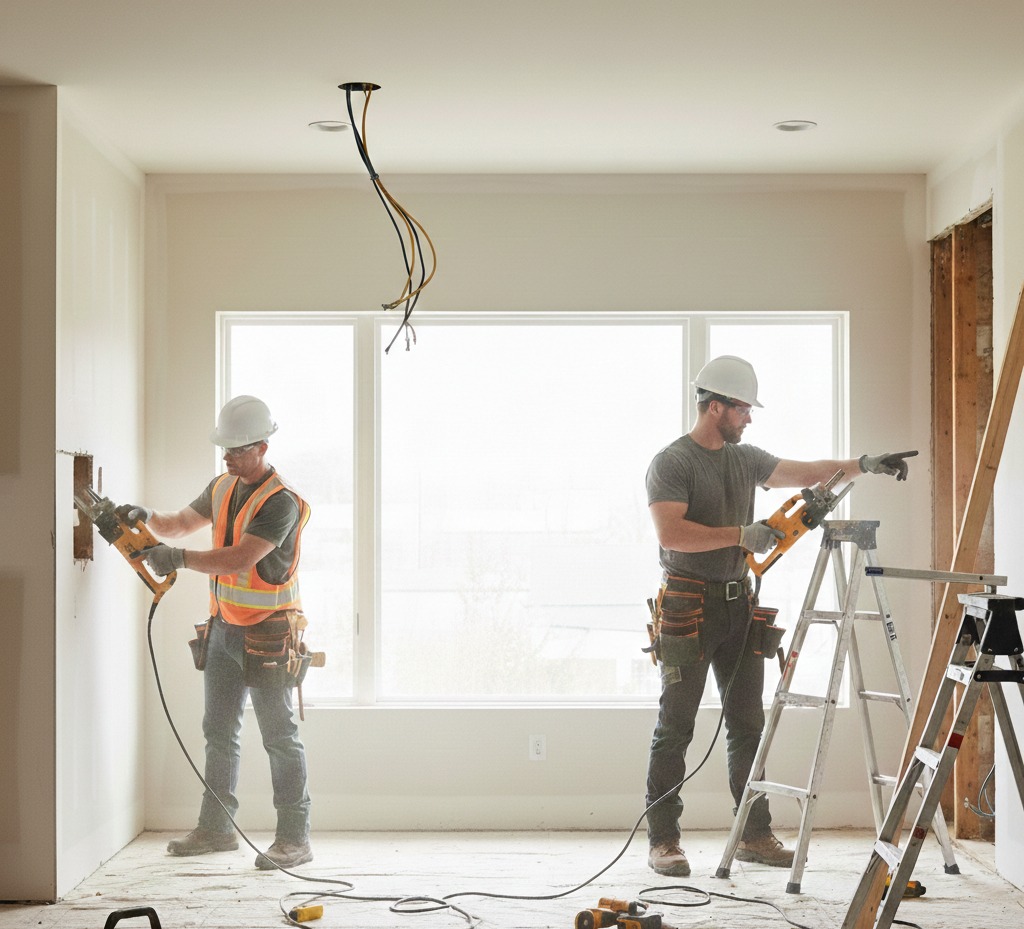
Wall Removal: What You Need to Know Before You Change Your Home
Removing a wall is one of those home improvement ideas that starts small. You notice a room feels closed in. Light does not travel the way it should. Movement through the space feels awkward. Over time, that wall stops feeling like part of the house and starts feeling like an obstacle.
Before anything comes down, there is one critical step that protects your home, your investment, and your safety:
Talking to a load bearing wall removal specialist before making structural changes.
A professional assessment early in the process prevents costly mistakes, design limitations, and structural risks that cannot be undone later.
If you are considering opening up your home, this guide explains what wall removal really involves, why structure always comes first, and how the right planning leads to better results.
Why Wall Removal Is a Structural Decision
Walls do more than divide rooms. In many homes, they quietly carry weight from above and transfer it safely down to the foundation. Removing the wrong wall without understanding its role can cause sagging floors, cracked drywall, doors that no longer close properly, or worse.
This is why wall removal should never be treated as a cosmetic upgrade alone.
A load bearing wall supports the structure above it, including floor systems, roof framing, or other walls. Once that wall is removed, the load does not disappear. It must be redirected using properly sized structural materials designed for the specific conditions of the home.
How Walls Carry Structural Loads
Homeowners often assume that interior walls are non structural, especially in open concept renovations. In reality, many interior walls play a critical role, particularly in older homes or houses with complex layouts. This is why projects that start with excitement can quickly turn into expensive corrections when structure is ignored.
Professionals who specialize in load bearing wall removal understand how weight moves through a house. They assess not only the wall you want to remove, but how that wall interacts with framing above, below, and around it. That broader understanding is what keeps the home safe long after the renovation is finished.
Why Interior Walls Are Often Misunderstood
To understand how structure affects open layouts, many homeowners start by reviewing examples of removing a load bearing wall to create an open floor plan, which show how proper planning preserves stability while improving flow.
How Professionals Determine Whether a Wall Is Load Bearing
One of the most common questions homeowners ask is whether they can identify a load bearing wall themselves. While there are visual clues, no single sign is definitive.
Professionals look at the house as a system.
They examine the direction of floor joists, the placement of walls above and below, roof framing patterns, and how loads travel through the structure. They also consider renovations that may have altered original framing, which is especially common in older homes.
Evaluating the Home as a Structural System
This evaluation is not guesswork. It is based on how houses are engineered to carry weight safely over time.
In many cases, professionals will reference plans or physically inspect framing by opening small sections of drywall. This controlled approach prevents surprises later in the project. It also allows accurate planning for the beam or support system that will replace the wall.
Why Visual Clues Alone Are Not Enough
Homeowners who want a deeper understanding of this evaluation process often review what is involved in removing a load bearing wall, which outlines how professionals assess structure before demolition begins.
Once the wall’s role is confirmed, the project can move forward with confidence instead of assumptions.
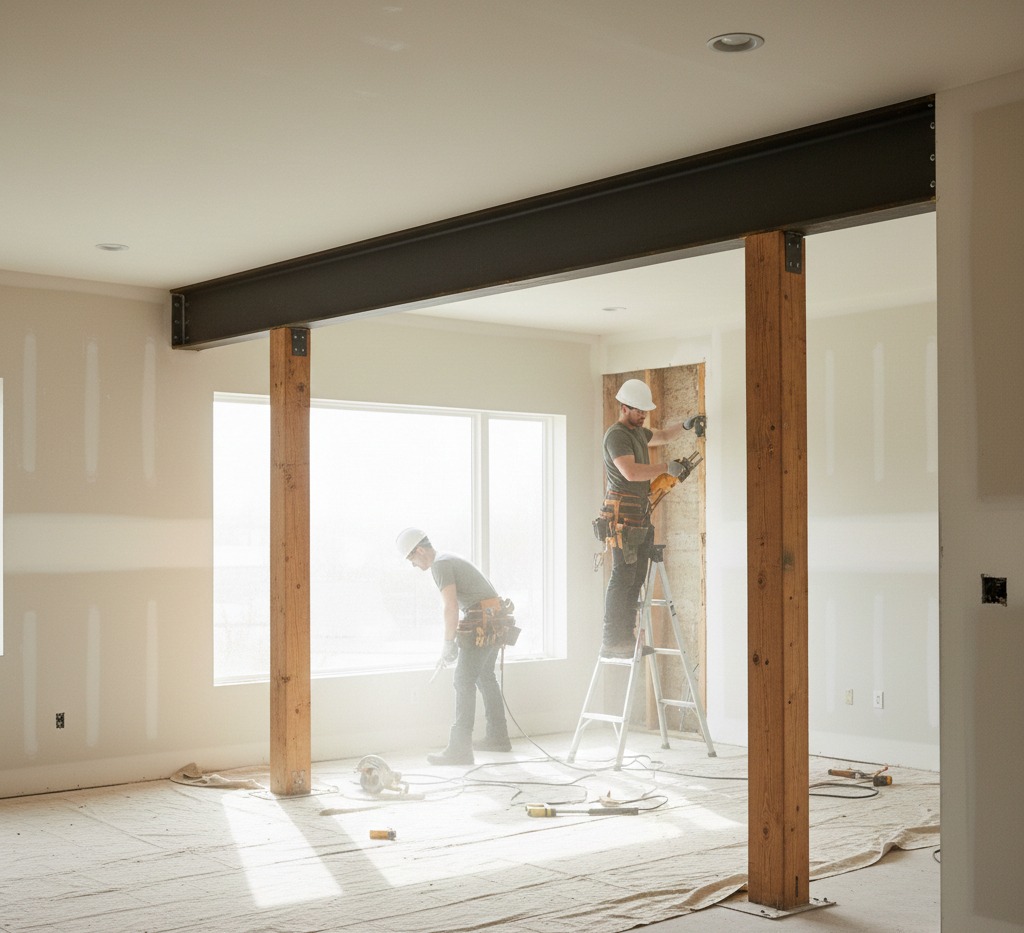
What Happens When a Load Bearing Wall Is Removed Correctly
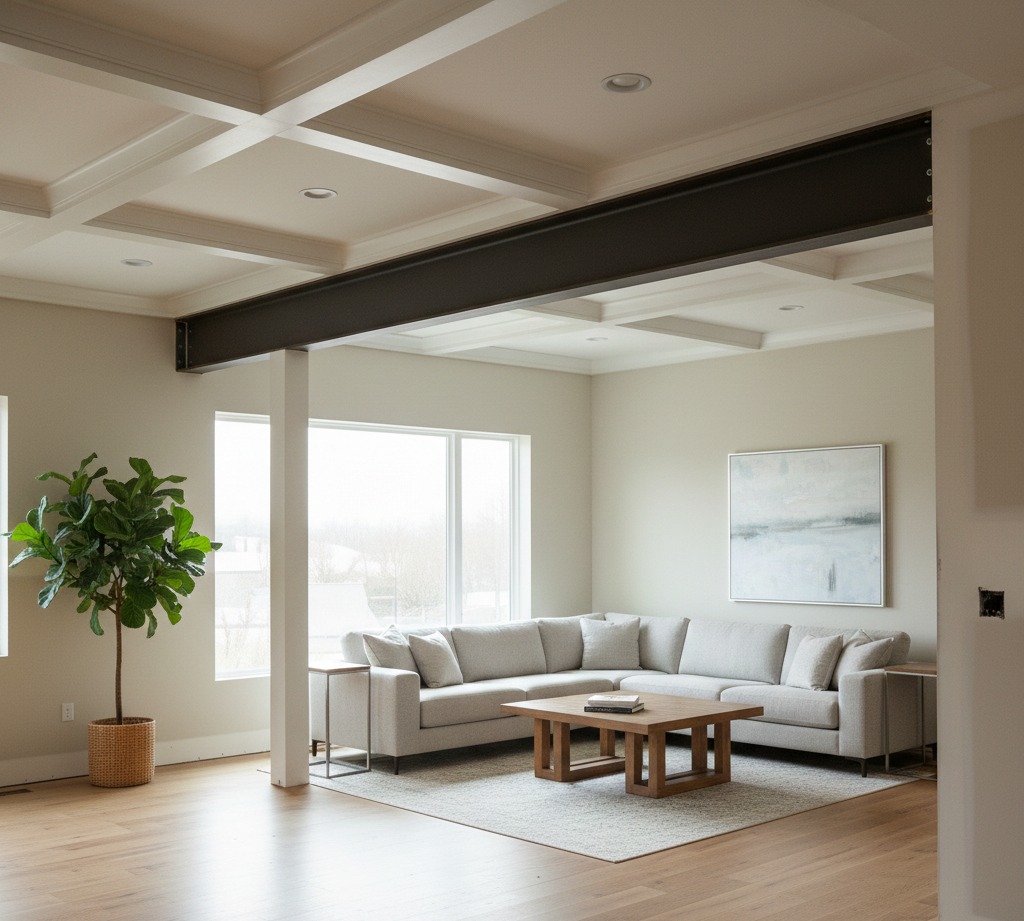
When a load bearing wall is removed the right way, the transformation feels effortless. Spaces open naturally. Ceiling lines remain clean. Floors stay level. The home feels larger without looking altered.
That result is achieved through careful structural replacement.
The wall is not simply taken out. It is replaced with a beam system designed to carry the same load safely across the new opening. The beam size, material, and support points are chosen based on span length, load calculations, and existing conditions.
Replacing the Wall With Proper Structural Support
Temporary supports are installed first to protect the structure while the wall is removed. Only once the permanent beam is in place is the load transferred safely. This sequence matters. Skipping steps or altering the order introduces risk that cannot be seen immediately but often appears months later.
The Role of Temporary Support During Removal
Professionals who handle interior wall removal understand how to manage this process without damaging finishes, flooring, or adjacent rooms.
At the end of the project, the goal is not just an open space, but a home that performs exactly as it should structurally, just without the wall.
Why DIY Wall Removal Creates Long Term Risk
It is tempting to view wall removal as a demolition project rather than a structural one. Online videos often make it look simple. What they do not show are the consequences of getting it wrong.
Removing a wall without understanding its structural role can lead to gradual failures. Floors may sag slightly. Cracks may appear near doorways. Windows may stop opening smoothly. These signs often emerge slowly, long after the project is complete.
Structural Problems That Appear Over Time
At that point, repairs are far more invasive and expensive than doing the job correctly from the start.
Homeowners considering demolition often benefit from reading about demolishing an interior wall, which explains why even seemingly simple removals can affect multiple systems at once.
Choosing professional help is not about convenience. It is about protecting the home’s structure and avoiding irreversible mistakes.
Planning Wall Removal With the Bigger Picture in Mind
Successful wall removal is not just about removing material. It is about understanding how the change affects the entire home.
Ceiling heights, lighting placement, airflow, and acoustics all shift when walls come down. Professionals consider these factors early so the final space feels intentional rather than unfinished.
How Wall Removal Affects the Entire Home
This planning stage is also where homeowners make decisions about beam concealment, ceiling transitions, and how the new space should function day to day. These choices shape the final outcome more than the removal itself.
Planning for Long Term Performance and Use
For homeowners exploring the full process, a complete guide on how to remove a wall provides insight into how professionals coordinate structure, systems, and even finishes for seamless results.
When planning is done properly, wall removal feels like a natural evolution of the home rather than a disruptive construction project.
Structural Safety Is Backed by Engineering Standards
Structural work is not based on opinion or assumption. It follows established engineering principles designed to keep homes stable under everyday use and long-term loads.
In residential construction, those principles are documented in guidance published by the U.S. Department of Housing and Urban Development, including the Residential Structural Design Guide by the U.S. Department of Housing and Urban Development. This guide explains how structural loads move through framing systems and why any modification to a wall must preserve a continuous and reliable load path through the home.
When a wall is removed, the weight it once carried does not disappear. That load must be properly redirected using beams and supports that are sized and placed to perform the same structural function. Professional wall removal follows these established residential design principles, ensuring floors remain level, framing stays aligned, and the home continues to perform as intended long after the wall is gone.
This adherence to recognized engineering standards is what separates safe, long-term renovations from risky structural shortcuts.
Common Misconceptions About Interior Wall Removal
Even well-intentioned homeowners often approach wall removal with assumptions that can quietly increase risk. These misconceptions tend to come from outdated advice, online videos, or experiences that do not translate well across different homes.
Why “it worked before” is not a reliable guide
One of the most common beliefs is that because a wall removal worked in another home, the same approach will work everywhere. In reality, no two houses carry loads in exactly the same way. Framing direction, span lengths, roof design, and previous renovations all influence how a wall functions structurally.
A wall that was non-bearing in one house may be critical in another with a similar layout. Relying on anecdotal experience rather than structural evaluation is one of the most common reasons wall removal projects develop problems later.
Bigger beams do not automatically mean safer results
Another misconception is that installing an oversized beam eliminates structural risk. While beam strength matters, structural performance depends just as much on how loads are transferred into posts, floors, and foundations below.
An oversized beam supported by undersized framing or inadequate bearing points can still create long-term movement. Proper wall removal focuses on balanced load transfer, not just adding material.
Interior walls are not always non-structural
Many homeowners assume that only exterior walls carry weight. In practice, interior walls frequently support floors, roofs, or stacked framing above. This is especially common in older homes and multi-story layouts where interior walls play a key role in distributing loads efficiently.
Recognizing these misconceptions early helps homeowners approach wall removal with realistic expectations and reinforces why professional evaluation is a critical first step rather than an optional one.

FAQ About Wall Removal
How do I know if a wall is load bearing?
There is no single visual indicator that confirms a wall is load bearing. Professionals evaluate framing direction, structural alignment, and load paths throughout the home to determine a wall’s role accurately.
Can any load bearing wall be removed?
Most load bearing walls can be removed if the load they carry is properly transferred using a beam and support system designed for the specific conditions of the home.
What happens if a load bearing wall is removed incorrectly?
Improper removal can lead to sagging floors, cracked drywall, misaligned doors, and long term structural damage that may require extensive repairs.
Does wall removal always require structural reinforcement?
If the wall is load bearing, yes. The wall must be replaced with a beam or other structural solution that safely carries the load previously supported by the wall.
Is wall removal worth it?
When done correctly, wall removal can significantly improve layout, light, and functionality. The key is ensuring the structural work is handled professionally so the benefits last long term.
Opening Space with Structural Care
Removing a wall can reshape how a home looks and lives, improving flow, light, and everyday usability. At the same time, it changes how weight moves through the structure. Treating wall removal as a planned structural modification rather than simple demolition helps preserve stability and ensures the space continues to perform as intended over time.
Before making any decisions, many homeowners want a clear understanding of who will be involved in the work and how structural projects are approached. Reviewing a contractor’s background, team, and experience with structural wall removal provides helpful context for how these projects are planned and executed. Exploring the company profile can offer insight into the methods, expertise, and level of care applied to safe structural modifications.
Before demolition begins, a professional evaluation helps determine whether a wall can be removed, how loads should be redirected, and what structural solutions make sense for the home. For homeowners ready to explore their options, contacting Load Bearing Wall Pros for an initial consultation is a practical step toward opening space safely and with confidence.
About the Author
Jason Hulcy, the founder of Load Bearing Wall Pros, is a seasoned expert in wall removal and home renovations. With a passion for innovation and sustainability, he has helped countless homeowners achieve their dream spaces safely and efficiently. Learn more about his expertise here.
Recent posts
-
-
 October 26, 2022