


February 22, 2023

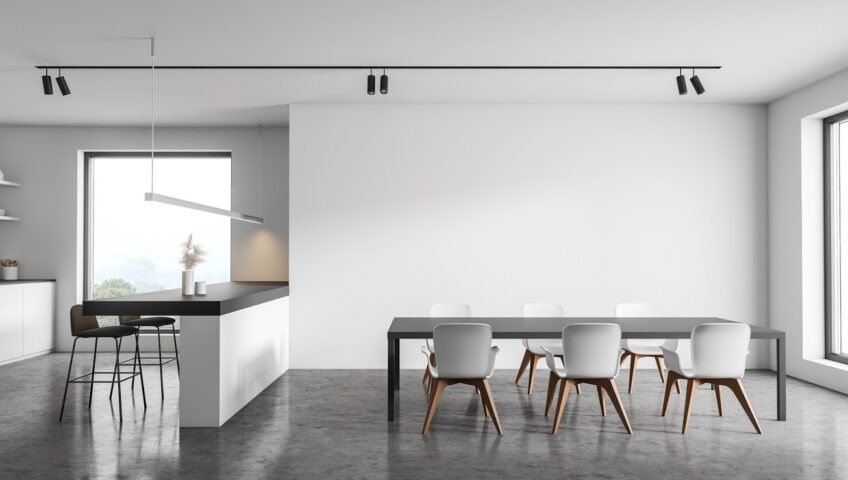
5 Ways to Improve Your Kitchen by Removing Walls
The kitchen has become more than a place to cook. It is where families gather, conversations happen, and daily routines overlap. Yet many kitchens were designed for a different era, one where walls separated rooms and limited how spaces interacted with each other.
Removing one or more interior walls can fundamentally change how a kitchen feels and functions. When done correctly, it can improve space, light, safety, and flexibility without increasing the home’s footprint. When done incorrectly, however, it can introduce structural risks that may not appear until long after the renovation is complete.
Opening up a kitchen is safest when professionals who specialize in structural kitchen remodeling are involved from the start. Services focused on kitchen remodel projects that include wall removal help ensure design improvements do not compromise the home’s structure.
Below are five meaningful ways removing walls can improve a kitchen, along with the structural considerations that make these improvements successful over the long term.
1. Create a Larger, More Functional Kitchen
One of the most immediate benefits of removing a wall is gaining usable space.
Many older homes were built with enclosed kitchens that prioritized separation over flexibility. While this made sense for heating and privacy decades ago, it often feels restrictive today. Counters feel crowded, appliances compete for space, and more than one person working in the kitchen can feel overwhelming.
Removing a wall can instantly expand the kitchen’s working area without adding square footage. This additional space allows for wider walkways, longer counters, added cabinetry, or the integration of features such as islands or seating areas. It also improves circulation, making the kitchen easier to move through during busy moments.
How wall removal changes daily use
A larger kitchen is not just about appearance. It changes how the space functions throughout the day. Meal preparation becomes easier when there is room to spread out. Cleaning and storage feel less cramped. Family members can move through the space without interrupting one another.
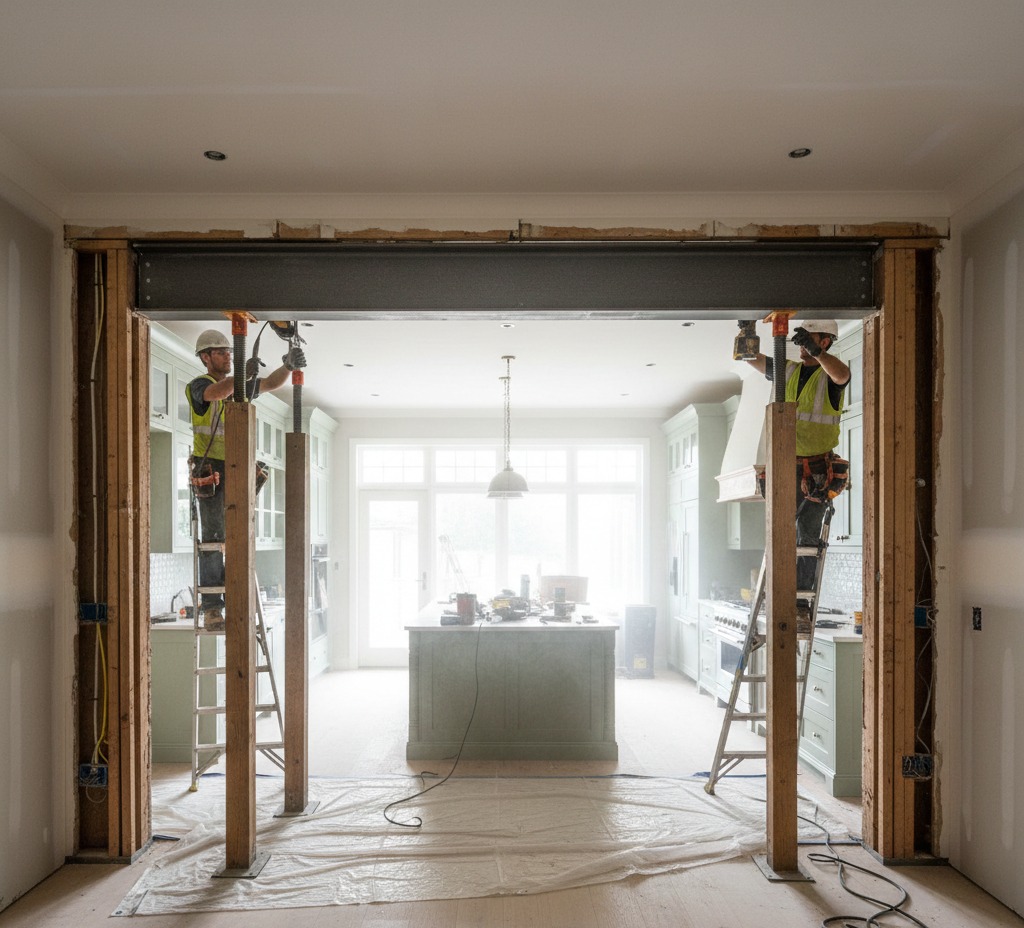
In many homes, expanding the kitchen requires more than cosmetic changes. It often involves professional load bearing wall removal to safely redirect the structural loads that wall once carried.
2. Improve Natural Light and Visibility
Light plays a major role in how a kitchen feels and performs. Good lighting improves safety during food preparation and makes the space feel more open and inviting.
Interior walls frequently block natural light from windows in adjacent rooms. Even kitchens with adequate artificial lighting can feel dim when walls interrupt the flow of light and create shadowed areas.
Removing a wall allows daylight to travel more freely through the home. Light from windows, doors, and adjoining spaces can illuminate the kitchen more evenly. Artificial lighting also becomes more effective because it is no longer confined to a closed-off room.
Better sightlines improve safety
Improved visibility is not only about brightness. Open kitchens allow homeowners to see into nearby living or dining areas. This can be especially important for households with children, pets, or frequent guests.
Parents cooking in the kitchen can more easily monitor activity in adjacent rooms. Homeowners can stay aware of what is happening throughout the main living space without leaving the kitchen. Fewer visual barriers often mean fewer accidents and better awareness overall.
3. Unlock Better Layout and Design Options
Walls do more than divide rooms. They dictate how appliances, cabinets, and work zones can be arranged. Even when a kitchen has sufficient square footage, fixed walls can force inefficient layouts.
Galley kitchens are a common example. They may have enough space but feel narrow and disconnected because walls limit how the area can be organized. Removing one wall can open the kitchen to a dining or living space, allowing for better flow and more practical layouts.
Adapting the kitchen to how you live
Many homeowners want features such as islands, peninsulas, or breakfast seating. These elements often require open sides and flexible circulation paths. Walls can make these additions difficult or impossible.
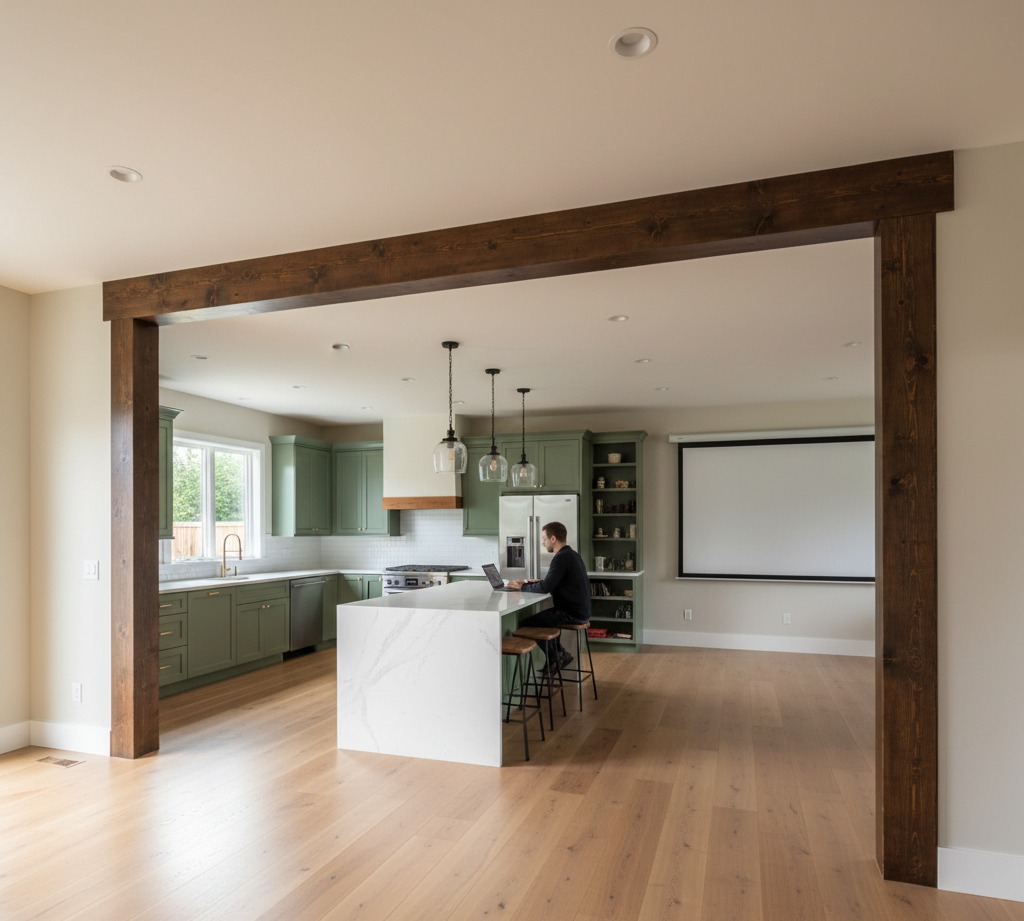
In some remodels, the goal is not to eliminate a wall entirely but to create a wide opening that connects spaces while preserving some separation. Projects such as converting a wall into a doorway or large opening can provide a balance between openness and structure.
Removing or modifying walls gives homeowners more control over how their kitchen supports cooking, dining, and entertaining.
4. Increase Flexibility for Changing Needs
Homes change over time, and kitchens often need to adapt along with them.
An open kitchen allows for flexible furniture arrangements, movable islands, or temporary storage solutions that can shift as needs change. Homeowners can reconfigure the space for gatherings, daily routines, or future updates without being constrained by permanent walls.
Open kitchens support modern lifestyles
Flexible kitchens make it easier to host guests, supervise children, or multitask between cooking and other activities. They also support changes in how families use their homes, whether that means accommodating remote work, entertaining more often, or creating multi-use spaces.
Walls limit these possibilities. Removing them creates a more adaptable environment that can evolve without requiring constant structural changes.
5. Improve Safety Through Awareness and Flow
While it may seem counterintuitive, removing walls can improve safety in many homes.
Closed kitchens limit sightlines and sound. A homeowner cooking may not notice hazards in adjacent rooms. Children or pets may move through the kitchen unexpectedly without being seen. Tight, enclosed layouts increase the likelihood of collisions and spills.
Open kitchens reduce these risks by improving visibility and circulation. Homeowners can better monitor activity throughout the space. Movement feels more natural, and congestion is reduced.
Structural safety still comes first
While open layouts can improve daily safety, removing walls must be done carefully. A load bearing wall is a structural element, not just a divider, and removing it without proper planning can lead to sagging floors, cracked finishes, or long-term movement.
This is why identifying whether a wall is load bearing is the foundation of any safe removal project and why experienced specialists such as the team at Load Bearing Wall Pros are often involved early to evaluate structural conditions before any work begins.
What Is Involved in a Load Bearing Wall Removal
Removing a load bearing wall is a process, not a single step.
Planning and evaluation
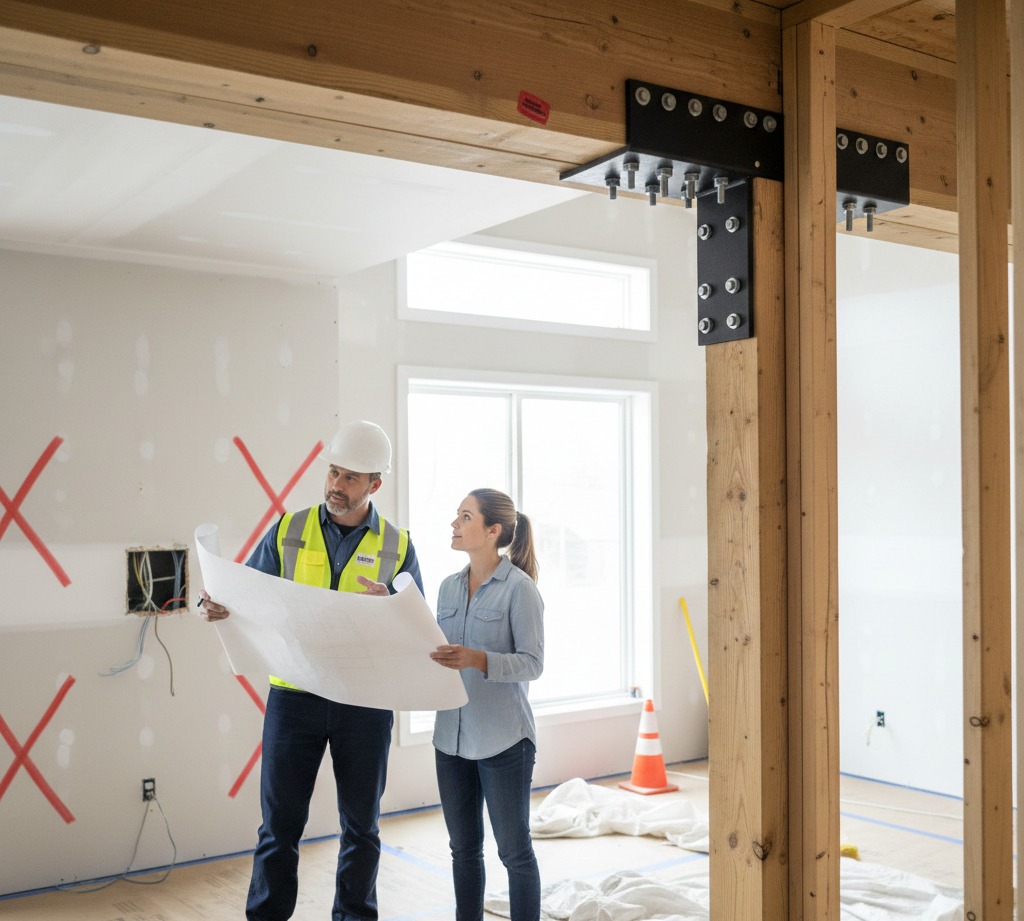
The first stage involves determining whether the wall supports weight from above and how that load is currently transferred through the home. This evaluation guides all decisions that follow.
Temporary support and structural replacement
Before the wall is removed, temporary supports are installed to carry the load. Once the wall is taken down, a permanent beam and supporting posts are installed to redirect the load safely.
Permits, inspections, and restoration
Most jurisdictions require permits and inspections for structural changes. After approval, finishes such as drywall, flooring, and trim are restored so the kitchen feels seamless and complete. When clients choose to include finish services, Load Bearing Wall Pros can complete this phase as part of the overall project.
Structural changes to a home are governed by building codes and standards that exist to protect public safety and structural performance over time. Model building codes such as those described in the Congressional Research Service’s overview of building codes outline rules for how structures must be designed, altered, and maintained to ensure safety and durability.
How Kitchen Wall Removal Affects the Rest of the Home
Opening a kitchen is rarely an isolated change. Because kitchens often sit at the center of a home, removing a wall can influence how multiple spaces function and feel together.
Structural impact beyond the kitchen
When a load bearing wall is removed in the kitchen, the structural load it carried is typically redistributed across a beam and supporting elements that extend into adjacent rooms, ceilings, or floors. This means the effects of the project may reach beyond the visible opening. Proper planning ensures that these redistributed loads are carried safely without introducing movement elsewhere in the home.
A well-executed project accounts for how the new structural system integrates with existing framing above and below, so the home continues to perform as a single, stable structure rather than a collection of modified parts.
Visual and functional continuity
From a design standpoint, removing a kitchen wall can unify previously separated areas into a cohesive living space. Sightlines improve, transitions feel more natural, and adjacent rooms often benefit from better light and circulation.
When structural work is coordinated with layout and finish planning, the result is a home that feels intentional rather than altered. The kitchen becomes part of a larger living environment instead of a room that was simply expanded.
When Partial Wall Removal Makes More Sense Than Full Removal
Not every kitchen improvement requires removing an entire structure. In some cases, partial wall removal achieves the desired effect while preserving elements of separation or structure.
Wide openings and framed transitions
Creating a large opening within an existing wall can provide many of the benefits of an open kitchen without fully eliminating the wall. Wide openings allow light, sound, and movement to pass through while maintaining visual framing between spaces.
This approach is often used when homeowners want openness but still prefer defined zones for cooking, dining, or living. Structurally, these openings still require proper support, but they can offer more design flexibility.
Balancing openness with privacy and structure
Partial wall removal can also help balance openness with practical needs such as noise control, storage, or wall-mounted features. In some homes, maintaining short wall sections allows for cabinetry, appliances, or furniture placement that would be lost with full removal.
Choosing between full and partial wall removal is not just a design decision. It is a structural and functional choice that should align with how the home is used today and how it may be used in the future.
FAQ About Kitchen Remodels
Is removing a kitchen wall always safe?
It can be safe when properly planned and executed. Structural evaluation, temporary support, and permanent load replacement are essential.
How do I know if a kitchen wall is load bearing?
Wall location, framing direction, and what is above the wall all matter. Visual clues can help, but professional evaluation is the safest approach to know if a wall is load bearing.
Can removing a wall increase home value?
In many cases, yes. Open kitchens are highly desirable, especially when the work is done correctly and permitted.
Is it possible to partially remove a wall?
Yes. Some homeowners choose wide openings or structural transitions instead of full removal.
Clarity Before You Remodel
Removing walls can dramatically improve how a kitchen looks, feels, and functions. It can create space, light, flexibility, and safer flow throughout the home. But these benefits depend on doing the work correctly.
When structural changes are planned thoughtfully and executed properly, the kitchen feels as though it was always meant to be open. The structure performs reliably, and the improvements last for decades.
If you are considering opening up your kitchen, start with professionals who focus specifically on structural wall modifications. Doing so ensures that your kitchen remodel enhances your home without introducing hidden risks.
About the Author
Jason Hulcy, the founder of Load Bearing Wall Pros, is a seasoned expert in wall removal and home renovations. With a passion for innovation and sustainability, he has helped countless homeowners achieve their dream spaces safely and efficiently. Learn more about his expertise here.
Recent posts
-
-
 October 26, 2022