


February 22, 2023

Choosing the Perfect Beam: Materials That Keep Your Walls Safe and Stylish
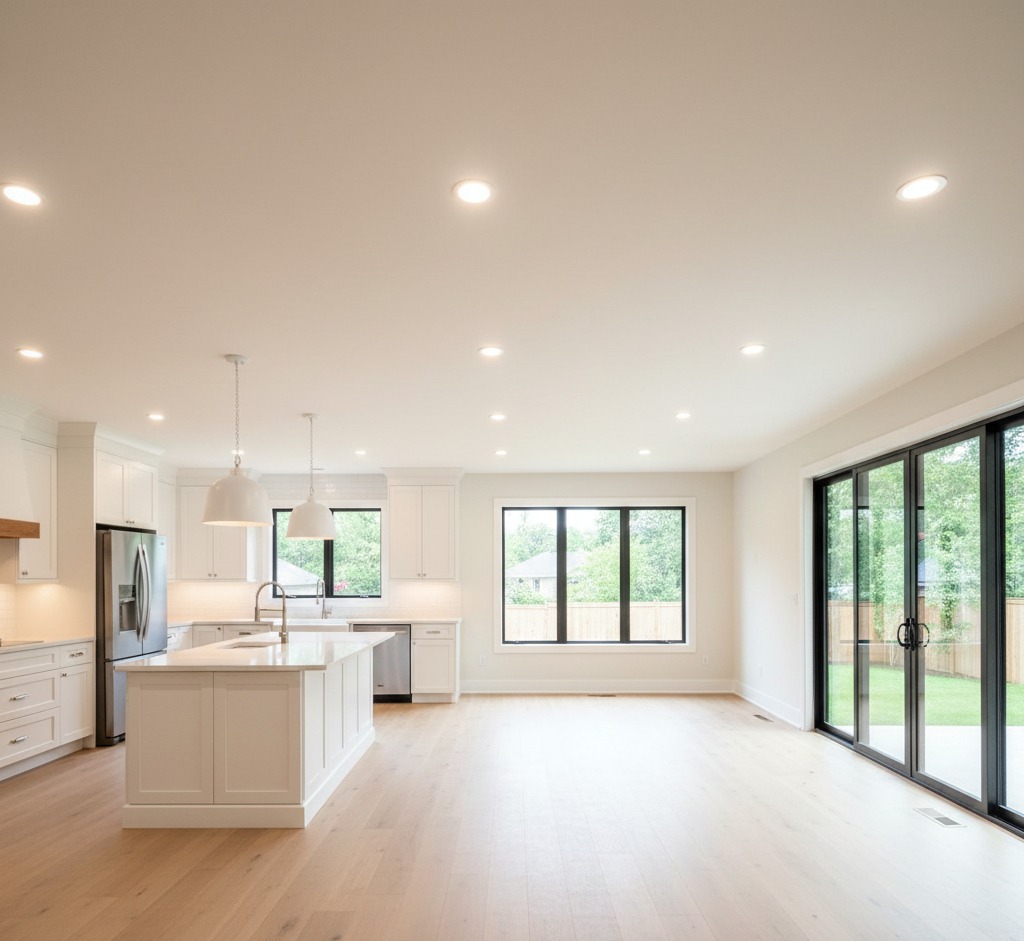
Reinforcing or removing a load bearing wall is one of the most transformative upgrades a homeowner can make. The right beam doesn’t just hold up your home – it shapes the way the space looks, feels, and functions. But choosing the wrong material or size can lead to structural failure, sagging ceilings, or long-term unpleasant surprises.
Before anyone cuts into drywall, the safest place to start is with a structural evaluation. If you want clarity on which beam materials make sense for your home, you can meet our team and schedule an onsite estimate. Load Bearing Wall Pros handles the structural phase temporary shoring, beam installation, post placement, and safe wall removal so your finishing trades can build on a solid foundation.
Up next, you’ll see how beam materials differ, why engineering matters, and how each option affects both safety and style in your remodel.
Why Beam Selection Matters More Than Homeowners Realize
Removing or modifying a load bearing wall is essentially rewriting how your house carries weight. A beam is not just a “replacement board” it becomes the backbone of your new design.
How a Beam Carries the Load
Every home relies on a continuous load path, a well-designed, connected route that transfers weight from roof and upper floors down to foundation. According to BRANZ Bulletin 612, loads from dead weight, live load, and lateral forces must travel through structural members (roof framing, beams, posts, walls) into the ground to keep buildings stable and safe, especially in the face of environmental forces like wind or seismic stress.
When you remove a load bearing wall, the beam becomes the new highway for roof and floor loads. If the beam is undersized, poorly installed, or not properly supported at its bearing points, loads may not transfer correctly causing structural deformation, sagging, or cracking over time.
That is why every beam whether wood, LVL, or steel must be sized by a licensed engineer. At Load Bearing Wall Pros, we coordinate with third-party structural engineers for proper calculations, and we install the beam strictly according to their design.
Types of Beams Used in Modern Homes
Not all beams work equally well in every home. Ceiling height, span length, architectural goals, and budget all influence which material is right for the project.
Here are the most common structural beams used when modifying or reinforcing load bearing walls.
1. Traditional Wood Beams
Wood beams have been used in homes for generations. They’re familiar, affordable, and suitable for lighter loads.
Where Wood Beams Work Well
Engineered wood beams can be appropriate when:
- The span is short
- The load is moderate
- The beam will remain visible and fits the aesthetic
- Budget is a major priority
Because of their natural appearance, wood beams can complement rustic or farmhouse interiors beautifully. They may also work well for porch integrations where roof loads are lighter.
Limitations to Consider
Wood is organic and sensitive to:
- Moisture
- Warping
- Splitting
- Termite damage
It requires larger dimensions to carry the same load as engineered wood or steel. For bigger openings, wood beams often become impractically large.
2. LVL (Laminated Veneer Lumber) Beams
LVLs are one of the most common choices for residential wall removal projects because they’re predictable, strong, and versatile.
Why LVLs Are So Popular
Engineered wood beams are made from layers of lumber bonded under pressure, giving them strength that far exceeds standard dimensional lumber.
Their advantages include:
- High strength for long spans
- Uniformity (no knots or natural weaknesses)
- Predictable performance under load
- Smaller beam height compared to traditional wood
LVLs are frequently used in open concept remodels and structural wall removal because they provide excellent strength without overly changing ceiling heights.
Design Considerations
While LVLs are visually simple, they typically require finishing. Most homeowners choose to conceal them inside the ceiling, either fully or partially recessed.
3. Steel Beams (I-Beams and H-Beams)
Steel is the strongest beam material used in residential remodeling. It provides unmatched durability and the ability to handle long spans while maintaining a slim profile.
Where Steel Beams Excel
Steel is often recommended when:
- The opening is large
- The load is heavy
- Ceiling height must be preserved
- The design requires a thin or hidden beam
Steel beams make it possible to create wide, airy spaces that feel completely open. They are especially popular in:
- Open concept kitchen-to-living transitions
- Porch integration projects
- Second-story support redesigns
Installation Requirements
Steel beams require:
- Mechanical lifting equipment
- Precise engineering
- Specialized anchoring and connection points
They are typically more expensive than wood or LVL, but they offer the highest strength-to-size ratio.
4. Hybrid Systems: Steel + Wood
In some homes, engineers design hybrid systems, combining steel and LVL elements to optimize space, cost, and strength.
Why Combine Materials?
Hybrid beams may be used when:
- You need the strength of steel but the flexibility of wood
- Rough-in conditions make a single beam impractical
- Existing framing requires a custom configuration
Hybrid solutions are highly engineered and must be installed precisely. They are common in older homes where framing may not follow modern standards.
What Happens if the Wrong Beam Is Installed?
Choosing the wrong beam material or the wrong size leads to avoidable structural issues. Homeowners often discover problems months or years later, long after the remodel is complete.
Signs a Beam Was Undersized or Improperly Installed
- Ceiling sagging
- Cracks at doors and windows
- Floors becoming uneven
- Beam deflection
- Doors that stop closing properly
These are often the symptoms of incorrect load transfer, not cosmetic issues. If you suspect structural stress, our structural assessment service can help determine whether the beam is performing as expected.
How Beam Choice Shapes the Style of Your Home
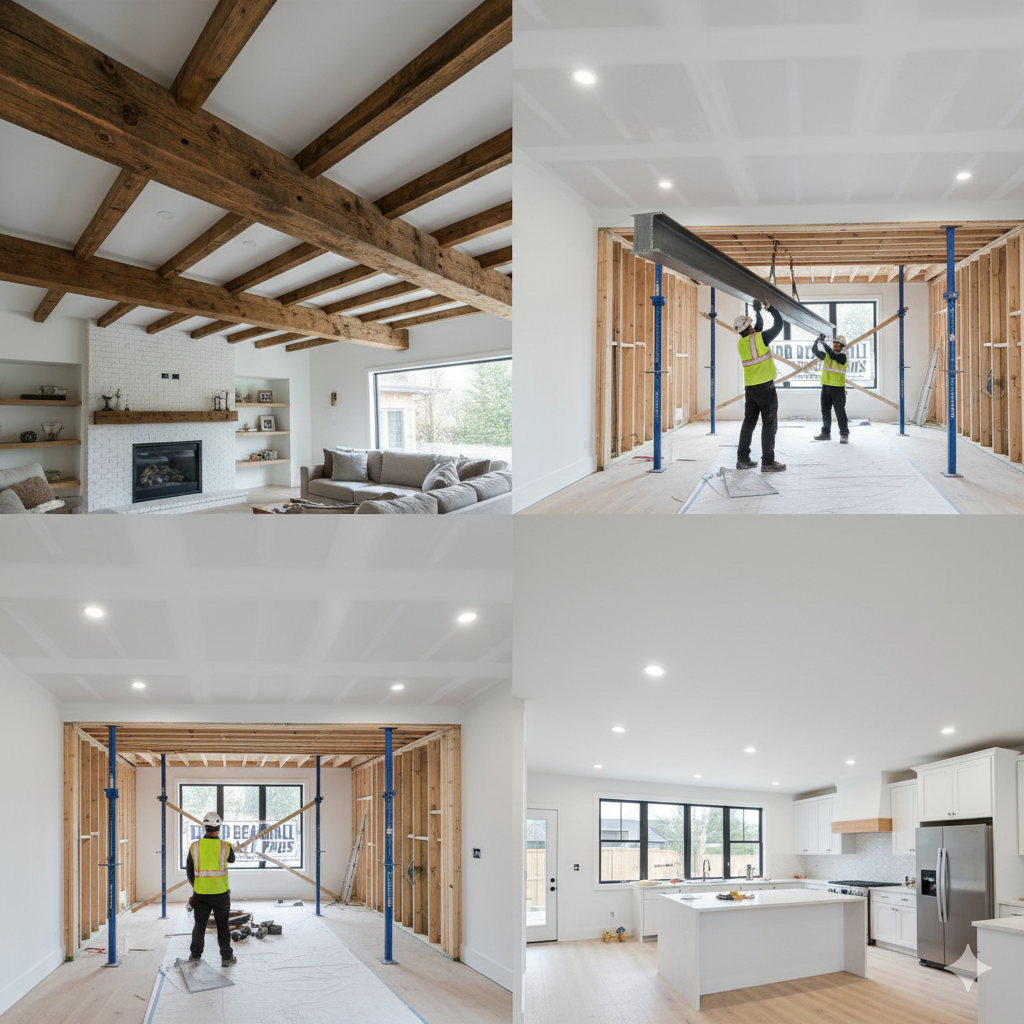
Beam selection is not only structural, it influences aesthetics.
1. Exposed Beams for Character
If the goal is visual impact, wood or steel beams can be intentionally exposed.
Wood beams complement:
- Farmhouse
- Craftsman
- Cottage
- Rustic
Steel beams complement:
- Industrial
- Contemporary
- Modern farmhouse
2. Concealed Beams for Minimalism
Many homeowners prefer beams hidden inside the ceiling for a completely seamless look. LVLs and steel beams are typically used for concealment because they offer high strength in compact dimensions.
What Homeowners Often Get Wrong About Beam Selection
In many DIY remodel stories, the beam becomes an afterthought. But in truth, it should be the first and most carefully considered element.
Here are the most common mistakes homeowners make:
Mistake 1: Choosing a Beam Based on Looks
A beam’s appearance should never drive the material decision. Structural performance always comes first.
Mistake 2: Copying a Neighbor’s Remodel
Even identical homes can have completely different framing and load paths. No beam should ever be selected without engineering.
Mistake 3: Reinforcing Only for Today’s Layout
Future plans like porch integration or removing additional walls should influence today’s beam choice.
If you’re still considering how reinforcement fits into a larger remodel, our article on open concept remodeling provides helpful context.
How Load Bearing Wall Pros Installs Beams Safely
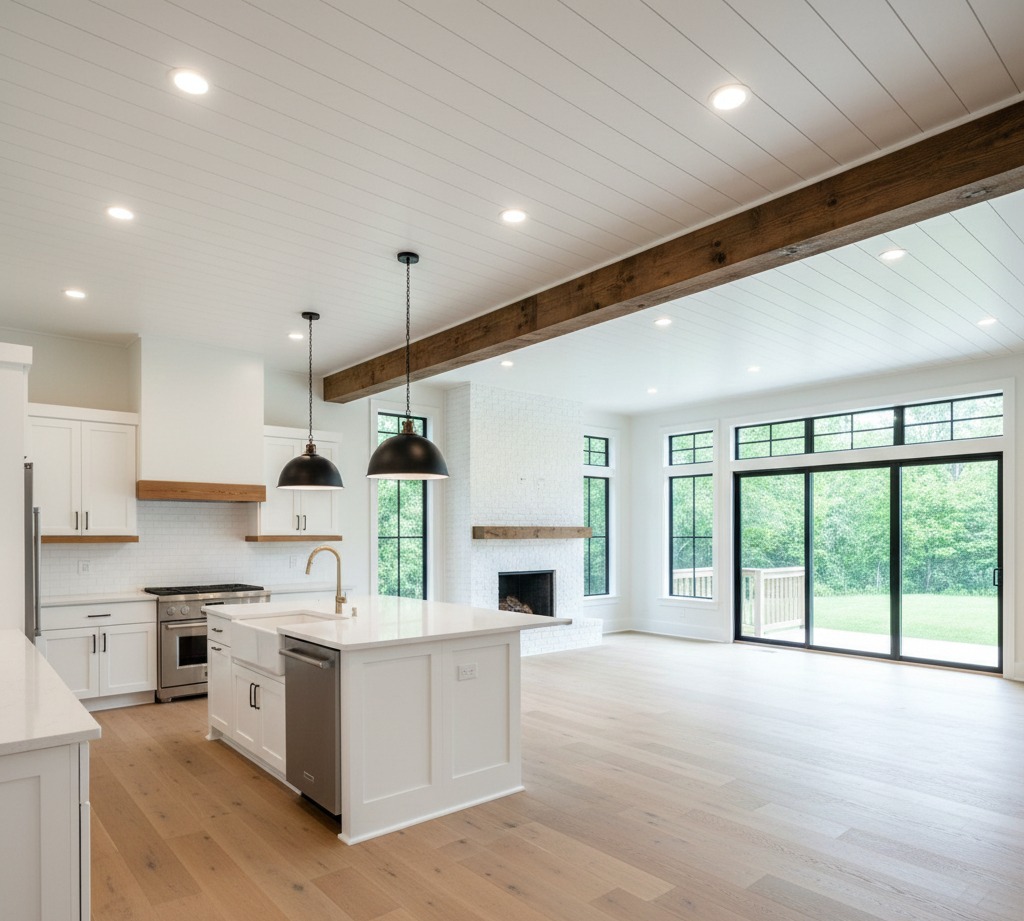
When a load bearing wall is modified, the safety of your home depends entirely on how well each structural step is executed. Structural work is our core focus, but depending on the level of service selected, we may complete only the that phase or manage additional finish work as part of a full remodel. In every case, we ensure everything is executed precisely and documented clearly.
Below is a detailed look at how our team approaches every beam installation.
Our Structural Role
Load Bearing Wall Pros specializes in the exact steps required to safely replace or add structural supports. These tasks form the backbone of any remodel involving a load bearing wall.
Onsite Structural Evaluation
Every project begins with an in-person assessment of the home’s framing, load paths, and bearing points. Because no two homes are alike, our team examines how roof loads, floor joists, and existing beams interact. This helps determine whether reinforcement or full wall removal is necessary before any design decisions move forward.
Coordination With Licensed Third-Party Engineers
We do not design beams ourselves; instead, we partner with licensed structural engineers who create stamped beam and post specifications. This ensures the beam size, material, bearing requirements, and fastening schedule fully comply with code and structural standards. Once stamped plans are approved, we execute them precisely.
Installation of Temporary Support Systems
Before a single stud is removed, we install temporary shoring to carry the structural load safely. These adjustable steel columns and support walls prevent movement in ceilings, floors, and framing during construction. Proper shoring protects the structure and the family living in the home while the primary support is removed and replaced.
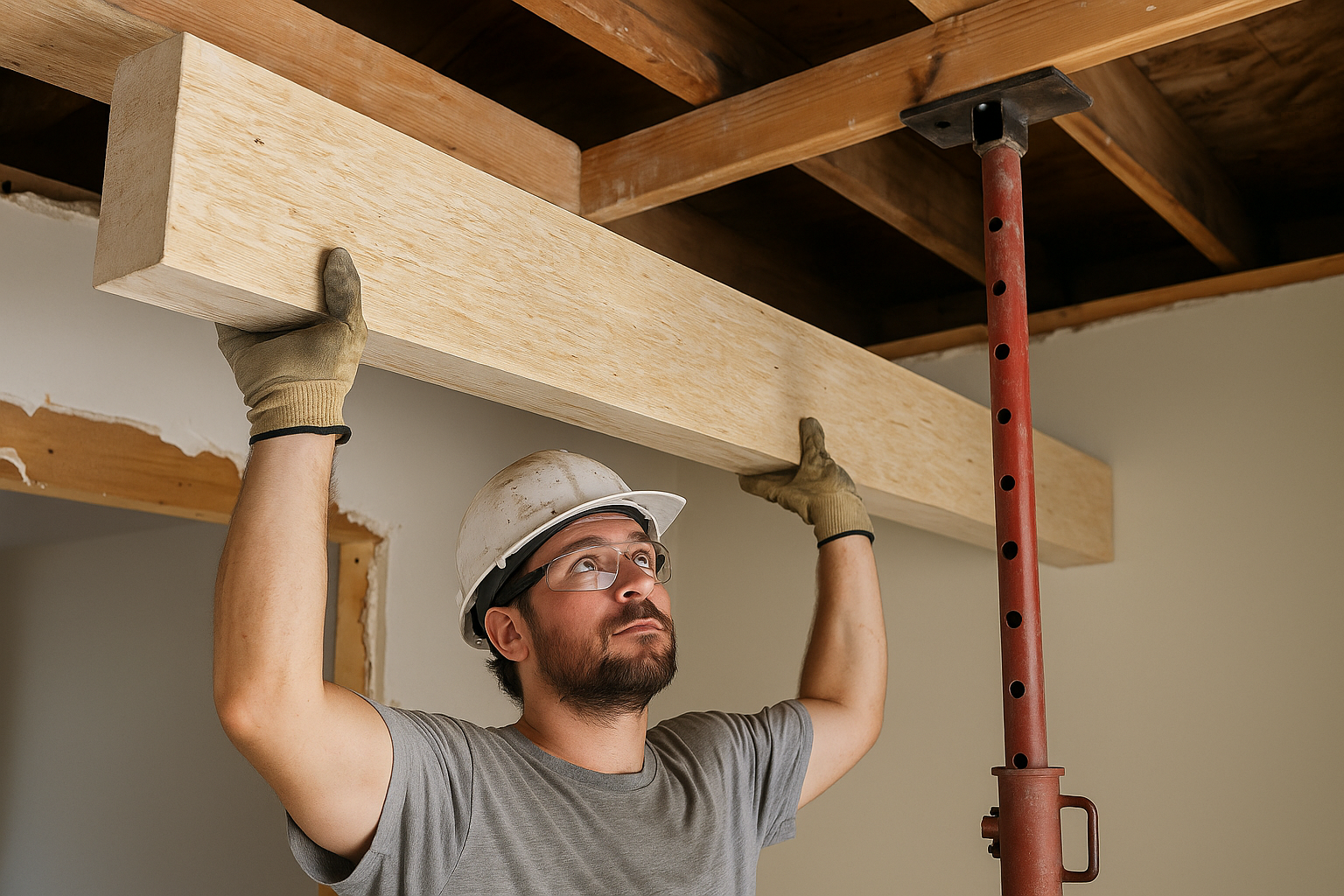
Beam and Post Installation
With the structure secured, our team removes the existing load bearing wall or header and installs the engineered beam. This includes:
- Precise placement
- Adjusting for level and plumb
- Anchoring beams and posts to proper bearing points
- Ensuring correct contact between structural members
Whether the beam is LVL, steel, or a hybrid system, installation must follow engineering instructions down to the fastener schedule. This step determines long-term stability.
Structural Alignment Verification
Before we release the load from temporary supports, we verify:
- Beam seating
- Post contact
- Bearing surfaces
- Fastening accuracy
- Load transfer
This final check ensures the new support system is performing exactly as designed. Only once the structure is stable do we remove temporary shoring and prepare the space for finishing trades.
Planning Beam Installation for Porch Integration
Beam choice greatly affects porch integration projects, where exterior loads and roof structures vary widely.
Beam installation is typically required when:
- A porch is being enclosed
- The exterior wall between porch and living room is removed
- The roof structure needs new support points
Common Questions About The Right Beam
What beam material is the strongest?
Steel beams carry the heaviest loads, especially over long spans, but every beam must be sized by an engineer for the specific project.
Can wood beams be used for open concept remodeling?
Yes, but only for shorter spans or lighter loads. Larger openings usually require LVL or steel.
Do you design the beams yourselves?
No. We work with licensed engineers who provide stamped beam calculations.
Can beams be hidden inside the ceiling?
Yes. LVLs and steel beams are often recessed for a seamless look.
Start With Structural Certainty Before You Choose a Beam
Your beam is the backbone of your remodel. Choosing the right one requires expertise, engineering, and careful installation not guesswork.
If you’re planning to open a wall, expand a room, or integrate a porch, begin with a clear assessment of your structural options. Contact Load Bearing Wall Pros to install the beam that keeps your home safe, beautiful, and ready for future upgrades.
About the Author
Jason Hulcy, the founder of Load Bearing Wall Pros, is a seasoned expert in wall removal and home renovations. With a passion for innovation and sustainability, he has helped countless homeowners achieve their dream spaces safely and efficiently. Learn more about his expertise here.
Recent posts
-

-
 October 26, 2022