


February 22, 2023

How Load Bearing Walls Impact Home Efficiency, Comfort, and Space Planning
Load bearing walls do far more than hold a house upright. They quietly influence how air moves through a space, how heat is distributed, how rooms feel throughout the year, and how efficiently a home functions after renovation.
Many homeowners focus on the visual transformation that comes from removing or modifying a load bearing wall, but the structural layout of a home also plays a major role in long-term comfort and energy behavior.
When a load bearing wall is altered, the change affects more than framing. It reshapes the physical volume of the home, changes air movement patterns, alters pressure zones between spaces, and redefines how the house responds to seasonal temperature changes.
Understanding this relationship early allows homeowners to plan smarter renovations, avoid inefficiencies, and coordinate structural work in a way that supports comfort and performance over time. If you want to learn more about the professionals who evaluate structural changes before other upgrades take place, you can explore our team of structural specialists at Load Bearing Wall Pros.
We will explain how load bearing walls influence home efficiency and why structural decisions should always come before any secondary adjustments or upgrades.
The Relationship Between Structure and Home Performance
Every home is shaped by its physical layout. Walls, ceilings, and framing determine how spaces connect, how air circulates naturally, and how evenly temperatures are experienced from room to room. Load bearing walls are especially important because they often sit at the core of the structure and define major interior divisions.
When these walls remain in place, the home performs according to that original layout. When they are removed or modified, the performance of the space changes immediately, sometimes in subtle ways that only become noticeable over time.
A structural change can improve comfort and efficiency when it is planned correctly. It can also introduce challenges if the relationship between structure, space, and airflow is not considered from the start.
How Load Bearing Walls Influence Air Movement and Pressure
Air moves through a home based on pressure differences, room separation, and open pathways. Load bearing walls often define these zones, even when they look no different from other interior walls.
Load Bearing Walls Create Natural Divisions
In many homes, especially older ones, load bearing walls divide living areas from sleeping spaces or separate kitchens from living rooms. These divisions influence how air moves, how warmth is retained, and how evenly conditions are maintained across the home.
When a load bearing wall is removed to create an open layout, those divisions disappear. Air can move more freely, which may improve comfort in some areas while creating imbalances in others. Spaces that once held heat well may lose it faster, while larger open areas may feel different throughout the day.
These changes are not inherently good or bad. They simply reflect how structure shapes the way a home behaves.
Pressure Changes After Structural Modifications
Homes naturally develop pressure differences between rooms and zones. Structural walls contribute to this balance by controlling how spaces connect.
Removing a load bearing wall alters that balance. Air moves differently, ceiling heights may feel more expansive, and the way spaces interact changes. This is why structural layout must be finalized before evaluating how the home will perform as a whole.
Why Structural Work Must Come First
One of the most common renovation mistakes is making secondary plans before the structure is complete. Because load bearing wall changes redefine the physical layout of the home, any planning done too early risks being based on assumptions that no longer apply.
Structure Defines the Final Space
Room volume, ceiling height, and spatial flow all depend on the final structure. A load bearing wall removal often increases room volume and changes how areas connect.
Until the beam is installed and the structure is complete, the space is not finished. That is why Load Bearing Wall Pros focuses exclusively on delivering a safe, engineered structure first. Once the structure is predictable, everything else can be evaluated accurately.
Sequencing Prevents Rework
Completing structural work first prevents unnecessary revisions later. Once the layout is fixed, professionals can assess the space as it truly exists, not as it was imagined during early planning.
This sequencing saves time, reduces costs, and leads to better long-term results.

Load Bearing Walls and Interior Routing Considerations
In many homes, load bearing walls also serve as pathways for utilities and other interior components. Removing or modifying these walls can affect what passes through or alongside them.
Structural Walls Often Contain Critical Elements
It is common for wiring, plumbing, or other components to be routed through load bearing walls. These paths are often coordinated with framing because the wall provides both support and concealment.
Before any structural modification, it is important to understand what is inside the wall. A professional structural assessment focuses on load paths and framing responsibilities while ensuring that other elements are identified and addressed by the appropriate trades.
Beams Change Clearance and Spatial Options
The beam that replaces a load bearing wall occupies space near the ceiling. Its size and placement are determined by engineering requirements, but thoughtful design can preserve as much clearance as possible.
Proper engineering ensures that the new structure supports the home efficiently while maintaining usable, comfortable space below.
Energy Efficiency After Wall Removal
Open layouts are popular because they feel brighter and more connected. From an efficiency standpoint, they change how energy is used throughout the home.
Larger Spaces Behave Differently
When smaller rooms are combined into a larger open area, heating and cooling patterns naturally change. Larger volumes of air behave differently than compact rooms, and temperature consistency depends heavily on how the space is used and finished.
This does not mean open layouts are inefficient. It means efficiency depends on how well the home adapts to its new structure.
Fewer Barriers Can Improve Circulation
In some homes, removing a poorly placed wall improves natural circulation by eliminating barriers that once trapped warm or cool air. Hot and cold spots may become less noticeable once the space is opened up.
The key takeaway is that efficiency gains come from understanding the structure first, not from the structural change alone.
Why Engineering Matters for Long-Term Comfort
Engineering is not only about safety. It is about predictability. Proper engineering ensures compliance with the HUD Residential Structural Design Guide, creating a stable structure that supports long-term comfort and performance.
Predictable Structure Supports Predictable Living Conditions
When a beam is sized and installed correctly, deflection is controlled and ceilings remain level. Over time, this stability helps prevent subtle shifts that can affect finishes, connections, and overall comfort.
Poorly engineered structural work can introduce movement that slowly impacts how a home feels long after the renovation appears complete.
Documentation Supports the Future
Stamped engineering plans provide a clear record of what changed structurally. This documentation helps future professionals understand the home’s layout and supports inspections, resale, and insurance clarity.
All of this contributes to peace of mind and long-term efficiency.
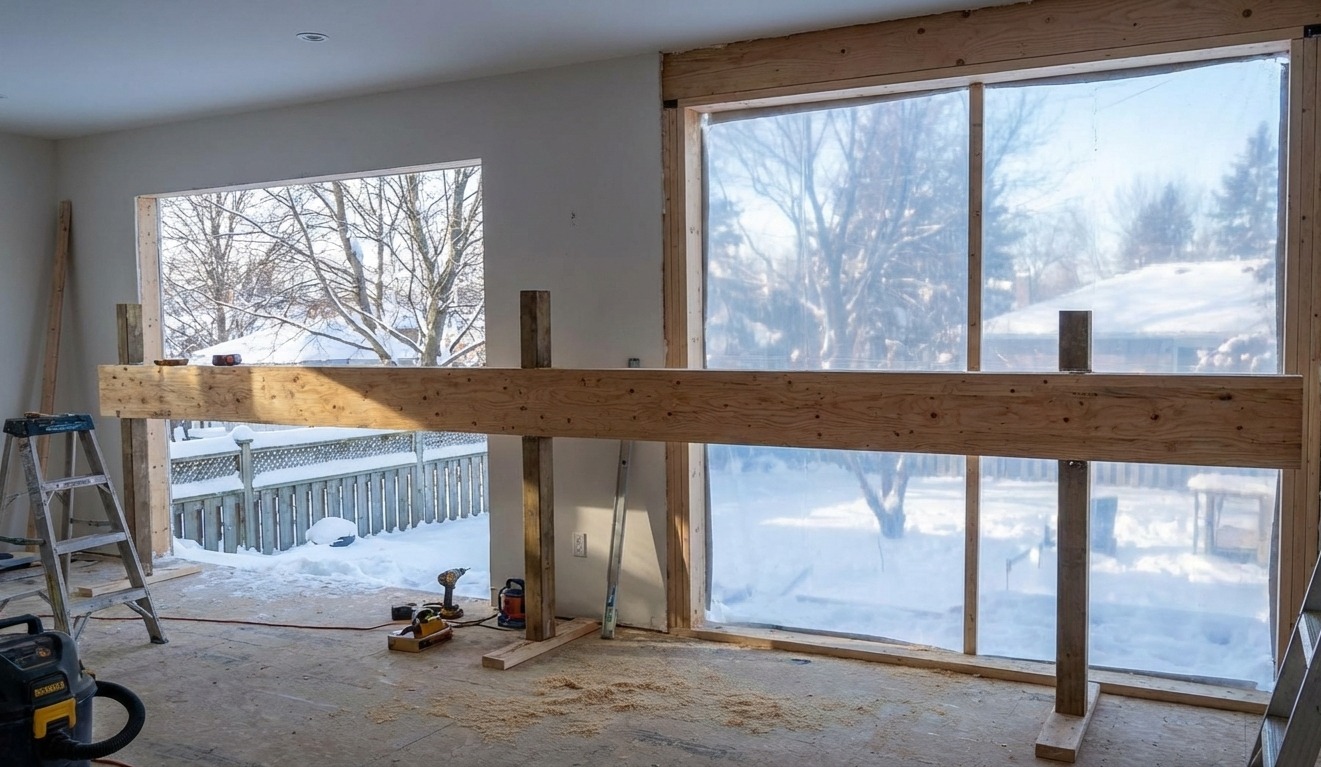
Timing Structural Work for Best Results
Many homeowners wonder when is the optimal time to tackle structural changes. While renovations can be done year-round, certain conditions can make the work more predictable and efficient.
Stable Conditions Support Accuracy
Completing structural work when indoor environments are dry and stable helps minimize material movement during installation. This ensures beams and framing settle properly, creating a reliable foundation for the home and for any future upgrades.
Sequencing Reduces Disruption
Finalizing load bearing wall modifications early in the renovation process allows homeowners to plan other improvements with confidence. Proper sequencing minimizes interruptions, keeps projects on schedule, and ensures the structure performs as intended.
How Load Bearing Wall Pros Fits Into the Process
Load Bearing Wall Pros can handle the entire remodel, from structural work to finish work. Just let us know how you’d like us to proceed.
Structural Assessment and Engineering Coordination
Every project begins with an evaluation to determine whether a wall is load bearing and how it contributes to the load path of the home. We coordinate with independent licensed engineers who design the appropriate beam and support system.
This ensures the structural change is safe, predictable, and built to last.
Clean Structural Execution That Supports Other Trades
Once the beam is installed and inspections are complete, other professionals can assess the new space with confidence. Because the structure is correct and documented, future work can proceed efficiently and accurately.
Planning Structural Changes With Efficiency in Mind
Home efficiency is not achieved through a single decision. It is the result of thoughtful sequencing and coordination. Load bearing wall changes are often the first step in a larger renovation.
When structure is handled correctly, everything that follows becomes easier. Comfort improves naturally when the home’s layout is designed and executed with care.
If you are considering removing or modifying a load bearing wall and want to understand how it will affect comfort, space, and long-term performance, start with the structure. A professional evaluation provides clarity before any other decisions are made.

Common Questions About Home Efficiency
Does removing a load bearing wall improve home efficiency?
It can. Removing a wall changes room volume and air movement, which may improve comfort in some areas. The outcome depends on how the new space is used and finished.
Should structural work be completed before other upgrades?
Yes. Structural changes redefine the space. Completing structure first ensures that all future planning is based on the final layout.
Can a load bearing wall affect interior routing and space usage?
Yes. Load bearing walls often contain or support other interior components. Removing them may require coordination with licensed professionals after the structural work is complete.
Does structural engineering affect long-term comfort?
Absolutely. Proper engineering controls movement and deflection, helping the home remain stable, level, and comfortable over time.
Is winter a good time to complete structural work?
Yes. Winter offers stable indoor conditions and allows homeowners to complete the structural phase before scheduling other improvements later in the year.
Start With the Right Foundation
Structural changes shape how your home performs long after the renovation dust settles. Load bearing walls influence not only safety, but comfort, space, and long-term efficiency.
If you want to explore a structural modification with confidence, the first step is a professional structural consultation.
Contact Load Bearing Wall Pros to evaluate your wall, coordinate engineering, and create a structural solution that supports comfort, efficiency, and long-term performance.
About the Author
Jason Hulcy, the founder of Load Bearing Wall Pros, is a seasoned expert in wall removal and home renovations. With a passion for innovation and sustainability, he has helped countless homeowners achieve their dream spaces safely and efficiently. Learn more about his expertise here.
Recent posts
-
-
 October 26, 2022