


February 22, 2023

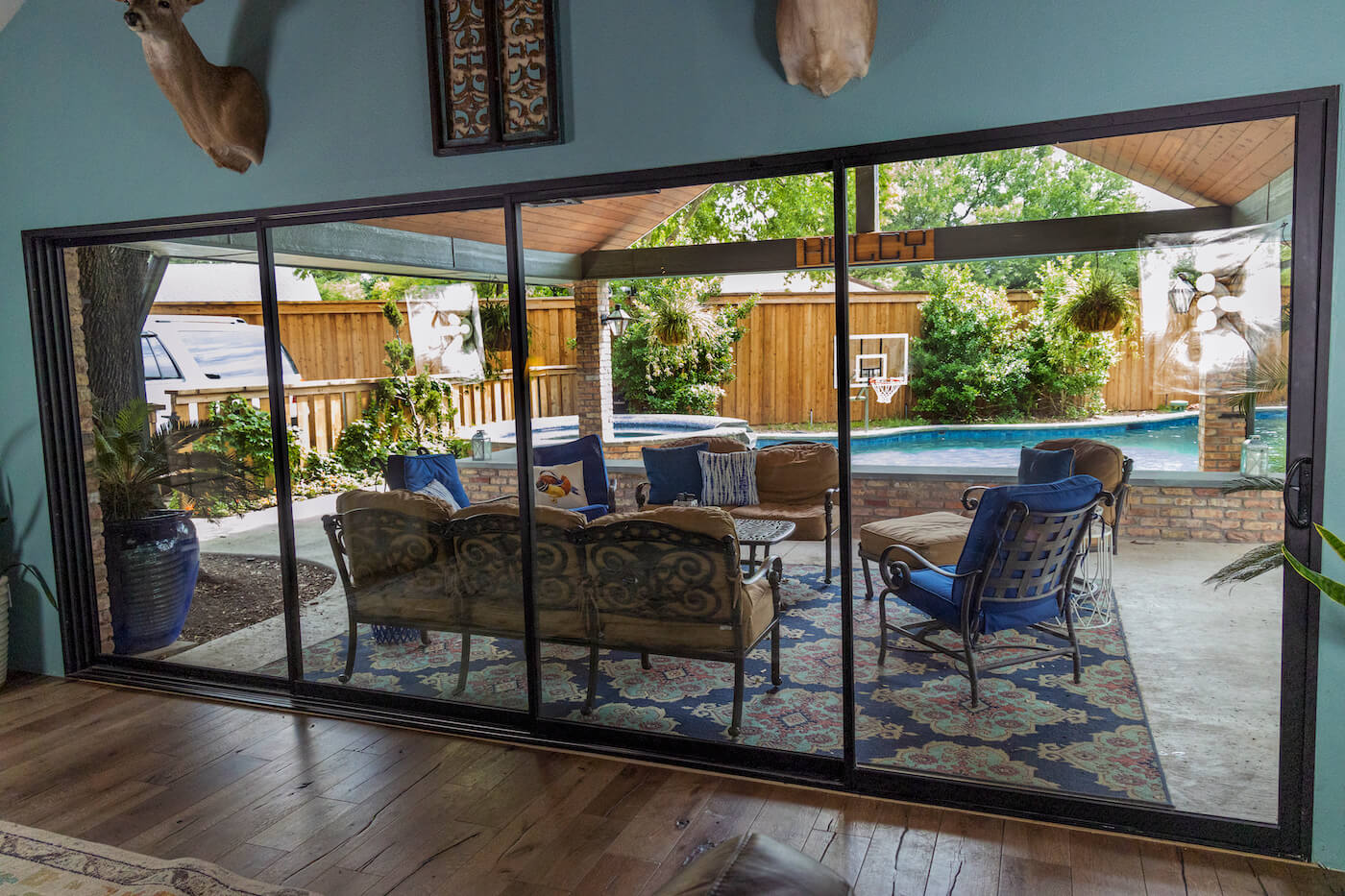
How to Maximize Natural Light by Removing Walls
Natural light shapes how a home feels the moment you enter, making spaces appear larger and transitions more seamless. Yet many homes were built with segmented layouts that limit how far daylight can travel, leaving some areas reliant on artificial lighting even during the day.
Walls that once served a practical purpose can become barriers, blocking sunlight and creating unnecessary shadows. Removing the right wall allows light to move more freely, brightening previously isolated areas and improving the overall sense of openness.
Before making structural changes, it is important to involve professionals who understand how the load is distributed through the structure of the home.
Before removing any wall, schedule a professional structural evaluation. The team at Load Bearing Wall Pros can assess how loads move through your home and recommend the safest way to open your space without compromising stability.
A brighter home is not simply the result of removing a wall. It comes from thoughtful structural planning that ensures the house remains structurally sound for years to come.
Why Natural Light Changes How a Home Feels
Light influences perception more than most homeowners realize. Two rooms with identical dimensions can feel dramatically different depending on how daylight enters and spreads.
Light Enhances Spatial Awareness
When sunlight reaches multiple surfaces, it reduces visual boundaries. Corners become less pronounced, ceiling heights appear greater, and the distance between walls feels expanded. This is why open layouts often feel larger even though the square footage remains unchanged.
Allowing daylight to pass freely through the interior creates a sense of continuity that segmented layouts struggle to achieve.
Bright Interiors Feel More Inviting
Homes naturally draw people toward well-lit spaces. Kitchens, living rooms, and gathering areas tend to become more active when daylight is present because they feel comfortable and visually balanced.
The U.S. Environmental Protection Agency notes that Americans spend roughly 90 percent of their time indoors, making indoor environments a significant factor in overall comfort. And with so much time spent indoors, we are missing that crucial exposure to that God-given light that is so needed for health and mood.
While many elements contribute to interior quality, access to daylight plays an important role in how spaces are experienced throughout the day.
Walls Often Limit Light Without Being Noticed
In many houses, perimeter windows provide ample daylight, yet interior rooms remain dim because partitions block that light from traveling farther.
This is particularly common in older homes where compartmentalized layouts and lower ceilings were standard.
Removing a strategic wall allows sunlight to extend beyond its original entry point, often illuminating multiple rooms at once.
Visual Flow Supports Functional Flow
As brightness increases, movement through the home typically becomes more intuitive. The same is true for darkness, we intuitively stay away from areas without sufficient lighting (unless you’re a caveman). People gravitate toward open, well-lit pathways, which helps the layout feel easier to navigate.
The result is both a visual and functional improvement.
Identifying Which Walls Can Be Removed
Not every wall should be treated the same. Some guide structural loads safely downward, while others primarily divide space.
Knowing which is which is essential before any demolition begins.
Load Bearing Walls Carry Structural Responsibility
A load bearing wall supports weight from framing above, whether from an upper story or the roof structure. Removing it without designing a replacement disrupts the path those loads rely on.
Projects involving load bearing wall removal should always begin with a professional evaluation so the replacement support system performs with the same reliability as the original structure.
Guesswork has no place in structural decision making.
Partition Walls Provide Design Flexibility
Partition walls typically exist to define rooms rather than carry major loads. When these walls are removed, daylight often spreads immediately into areas that previously relied on artificial light.
Even so, careful execution remains important. Adjacent framing must be respected, and the work should proceed methodically. As a good rule of thumb, usually around 90% of interior walls are load bearing. Typically, rooms larger than 8′ wide are composed of load bearing walls, while those that are smaller than 8′ wide, like closets or bathrooms, are usually not. But this is not always the case.
Central Walls Often Have Greater Impact
Walls located near the center of the home frequently block light from reaching deeper portions of the layout. Removing one of these barriers can dramatically increase overall brightness.
However, central placement also increases the likelihood that the wall contributes to structural support. This reinforces the importance of early evaluation.
Large Openings Can Offer a Balanced Solution
Full removal is not always required to achieve meaningful improvement. Sometimes widening a passage or converting a solid wall into an opening creates enough visual connection to allow light through while maintaining portions of the original structure.
Projects such as wall to door conversions often deliver this balance effectively.
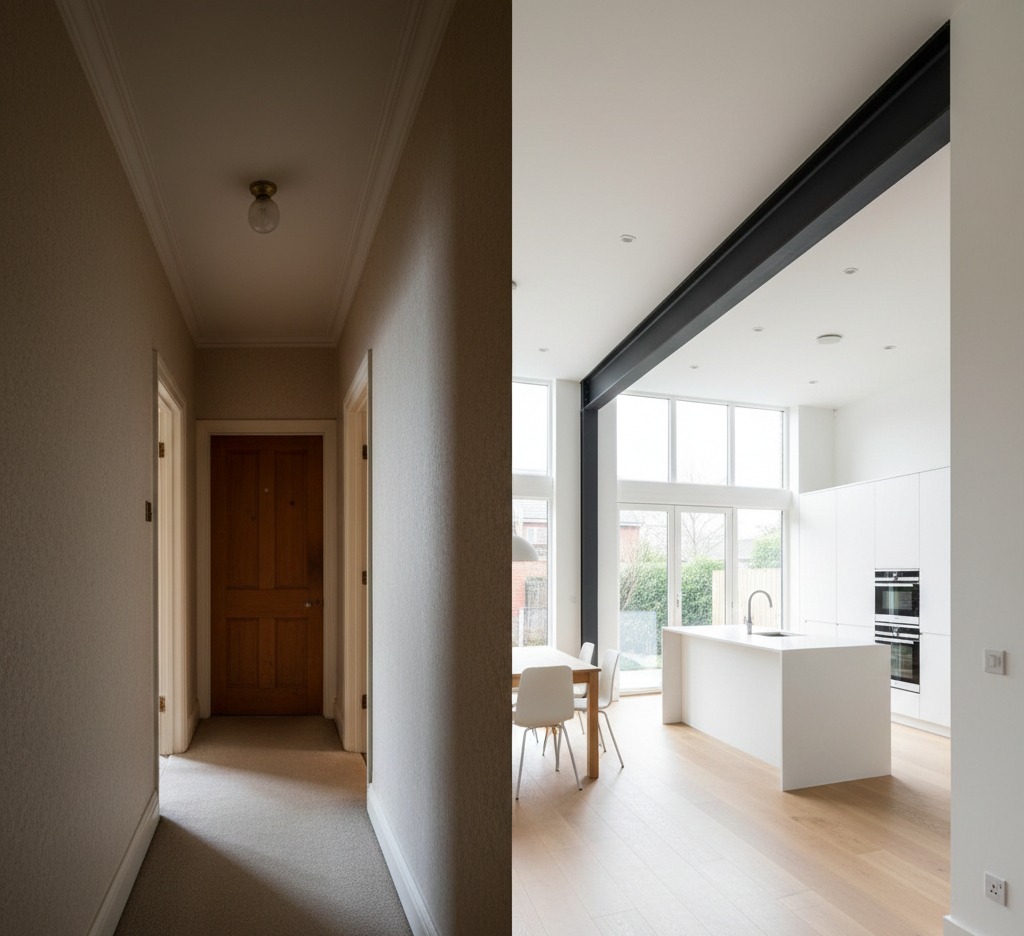
Where Wall Removal Has the Greatest Impact on Light
Some areas respond more dramatically to increased daylight than others.
Understanding where to focus often produces the best results.
Kitchens and Shared Living Areas
Opening the space between kitchens and living rooms frequently allows light from multiple sides of the home to merge. The combined effect can transform the main gathering area into the brightest part of the house.
When aligned with a thoughtful kitchen remodel, structural changes often improve both visibility and circulation.
Transitional Spaces Benefit More Than Expected
Hallways, corridors, and entry zones often receive limited natural light. Removing nearby barriers allows brightness to reach these spaces, making the home feel more welcoming from the moment someone enters.
Sightlines Multiply Light
When you can see from one end of the home to the other, daylight travels surprisingly far. Even distant windows begin contributing to overall brightness.
This extended visibility is one of the most underestimated benefits of wall removal.
Structural Enhancements May Be Revealed
Opening a wall sometimes reveals structural conditions that must be addressed to maintain proper load distribution. These adjustments help ensure the entire system continues functioning reliably.
Many of these needs fall within broader structural services that support long-term performance.
Planning for Long Term Performance
A brighter home should remain dependable long after construction ends.
Structural Changes Should Anticipate the Future
Households evolve, and layouts should support that evolution. Removing barriers today can create flexibility that accommodates changing needs tomorrow.
Early Evaluation Prevents Mid Project Surprises
Understanding structural conditions before demolition begins allows plans to proceed with greater confidence. Unexpected discoveries become less likely, and adjustments can be anticipated rather than reactive.
Sequencing Protects the Home
Loads must be supported before removal and transferred safely once replacement elements are installed. Proper sequencing keeps the structure behaving normally throughout the process.
Professional Coordination Creates Predictability
When structural work is carefully planned, timelines become more reliable and outcomes more consistent. That predictability protects both the home and the investment behind it.
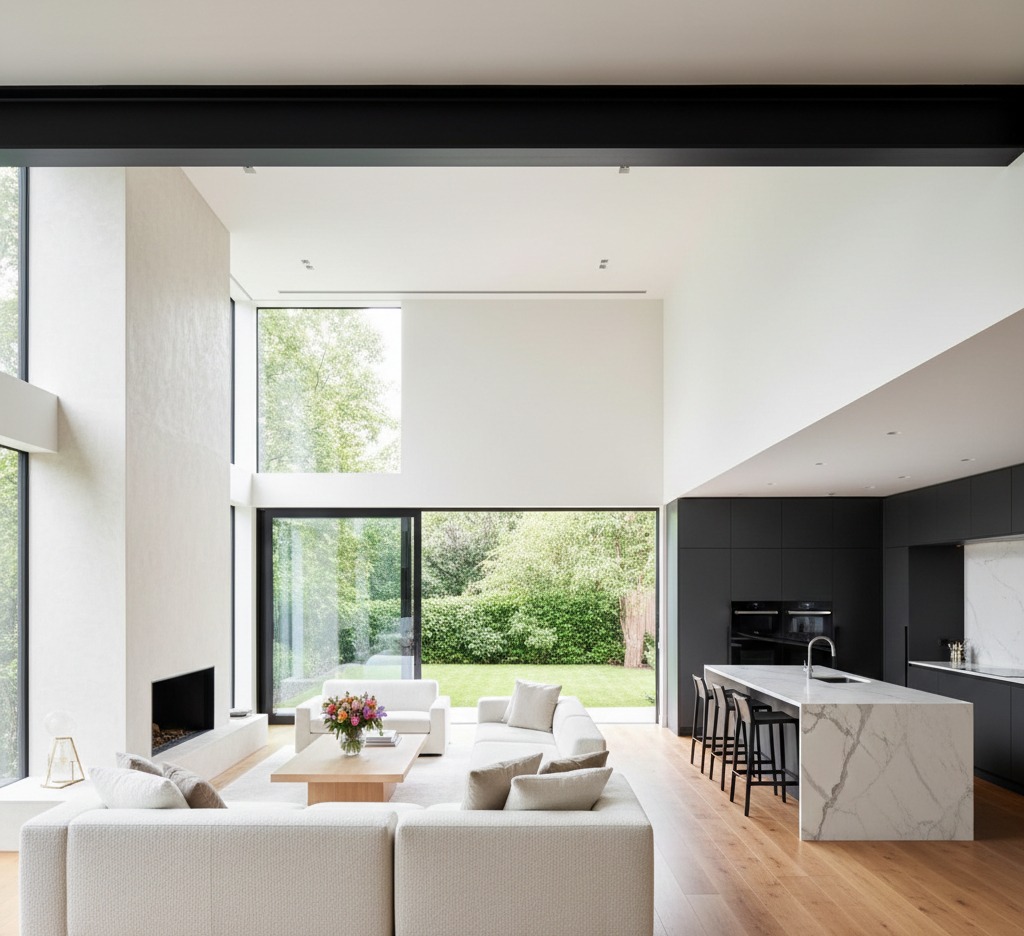
How Light Actually Moves Through an Open Structure
Many homeowners think of natural light as something that simply enters through a window and fills a room. In reality, light behaves more dynamically. It reflects, diffuses, and travels farther when structural barriers are removed.
Understanding this movement helps explain why removing a single wall can influence brightness across multiple areas of the home.
Reflection Extends Light Beyond the Window
When daylight enters a space, it rarely stops at the floor. It reflects off ceilings, walls, and large surfaces, gradually spreading throughout the interior. The fewer structural interruptions in its path, the farther it can travel.
Removing a wall often allows one window to support several connected spaces rather than just one enclosed room. This expanded reach is what makes open layouts feel noticeably brighter without adding new windows.
Sightline Depth Increases Perceived Brightness
The distance your eye can travel through a home influences how bright the space feels. Longer sightlines allow daylight to remain visible from multiple vantage points, reinforcing the perception of openness.
When structural barriers shorten those sightlines, rooms can feel enclosed even if sufficient light is technically present.
Opening the structure increases visual depth, which naturally enhances brightness.
Orientation Plays a Larger Role Than Expected
The direction a home faces affects how sunlight enters throughout the day. Walls that block southern or western exposure often limit the strongest daylight available.
Strategic wall removal can allow that light to penetrate deeper into the home, reducing contrast between bright and dim areas and creating a more balanced interior environment.
Structural Span Planning Shapes the Final Result
Removing a wall is not only about creating openness. It is also about determining how wide that openness can safely be.
Span planning is one of the most important structural considerations because it directly affects how light flows across the home.
Wider Openings Allow Light to Travel Freely
Narrow openings still interrupt daylight. Wider structural spans allow light to move laterally, illuminating areas that previously sat outside the window’s reach.
This is why thoughtful structural design often focuses on maximizing clear space while maintaining proper support.
When done correctly, the result is both brighter and structurally dependable.
Beam Placement Influences Visual Continuity
Where a replacement beam is positioned can subtly shape how open the space feels. Aligning structural elements with ceiling lines often helps maintain a smoother visual transition between rooms.
Even small changes in placement can affect whether the opening feels unified or segmented.
Approaching beam design with both structure and spatial flow in mind allows the home to feel intentionally open rather than partially divided.
Removing Less Can Sometimes Deliver More Light
Contrary to what many expect, complete removal is not always required to improve brightness. Expanding an opening or repositioning structural support may achieve nearly the same lighting benefit while limiting the extent of modification.
This type of strategic decision making often produces a more efficient outcome, balancing structural performance with visual improvement.
FAQs
Does removing a wall always increase natural light?
In most cases, yes. Allowing daylight to move between rooms often brightens areas that previously relied on artificial lighting.
How can I confirm whether a wall is load bearing?
Only a structural evaluation can determine how the wall participates in the load path.
Is partial removal safer than full removal?
Not necessarily. Safety depends on proper engineering rather than the size of the opening.
Will structural issues appear immediately if something is done incorrectly?
Often they develop gradually as stress redistributes.
Why should professionals manage structural wall removal?
Because structural changes influence the entire home, and professional planning ensures stability is maintained throughout the process.
Start With Structure Before You Open Your Space
Removing a wall can completely reshape how your home looks and feels. Light travels farther, rooms connect naturally, and the interior becomes more inviting.
Yet those benefits endure only when the structure beneath them is respected.
Structural problems rarely appear overnight. They develop gradually as loads redistribute and materials respond to stress.
Approaching wall removal as a structural commitment rather than a design shortcut protects your home for the long term.
If you are considering opening your layout to maximize natural light, contact the Load Bearing Wall Pros team to evaluate your space and recommend the safest path forward. A professional assessment ensures the work is done correctly the first time and remains structurally sound for years to come.
About the Author
Jason Hulcy, the founder of Load Bearing Wall Pros, is a seasoned expert in wall removal and home renovations. With a passion for innovation and sustainability, he has helped countless homeowners achieve their dream spaces safely and efficiently. Learn more about his expertise here.
Recent posts
-
-
 October 26, 2022