


February 22, 2023

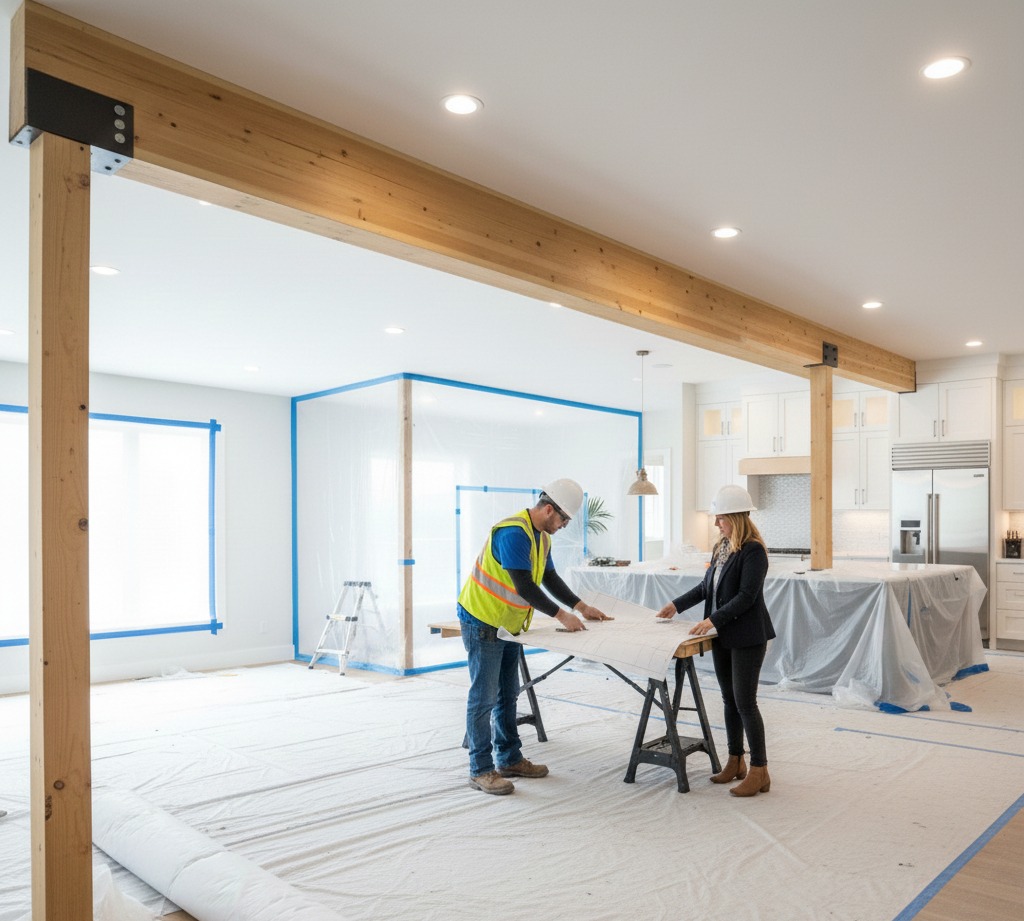
Load Bearing Walls and Home Insurance: Protect Your Investment the Smart Way
Removing or modifying a load bearing wall is one of the most meaningful ways to upgrade a home. It changes the way light travels through rooms, improves flow, increases usable space, and brings older layouts into the modern era. Although the transformation is exciting, it also touches the structural core of the home, which means homeowners should think not only about design, but about safety and long-term insurance protection.
That is why insurance companies look closely at how structural work is performed. When a renovation includes the removal of a load bearing wall, the improvement must be thoroughly documented, engineered, and carried out by specialists.
If you are considering a structural modification, the smartest place to begin is with a professional evaluation. A consultation ensures that the wall is truly load bearing, that the design is structurally sound, and that the project is documented in a way that supports both safety and long-term home insurance clarity.
If you want to understand how structural decisions impact both your home’s safety and your long-term coverage, take a moment to explore the insights in this guide. It will help you make informed choices, avoid costly mistakes, and move forward with confidence.
Why Structural Modifications Matter for Your Insurance Policy
Home insurance is built around the concept of risk management. When a structural change alters the load path of the home, the insurer must be able to determine whether the work was engineered and completed correctly. The goal is not to deny coverage. Instead, insurers want to confirm that the change improves the structure and that future claims involving that area of the home have a clear reference point.
Understanding How Insurers View Structural Renovations
Insurance carriers categorize renovations based on how they affect the long-term safety and repairability of a home. Cosmetic renovations rarely influence coverage, but structural renovations can play a more significant role because they affect:
- how weight is carried through the house
- how the roof, upper floors, and foundation interact
- the potential future cost of repairs
In nearly every case, insurers do not object to structural improvements. They simply expect the work to be done correctly and documented thoroughly.
Proper Documentation Makes Claims Faster and Easier
If the area where the load bearing wall was removed is later affected by water damage, impact damage, foundation shifts, or roof load issues, the insurer may request documentation. When stamped engineering plans, contractor records, and photos from the structural phase are available, the claims process is simple. Without documentation, the insurer may need additional inspections and verification.
This is why working with dedicated structural specialists is so valuable. Their focus is structure only, which means homeowners receive clear, traceable information that insurers trust.
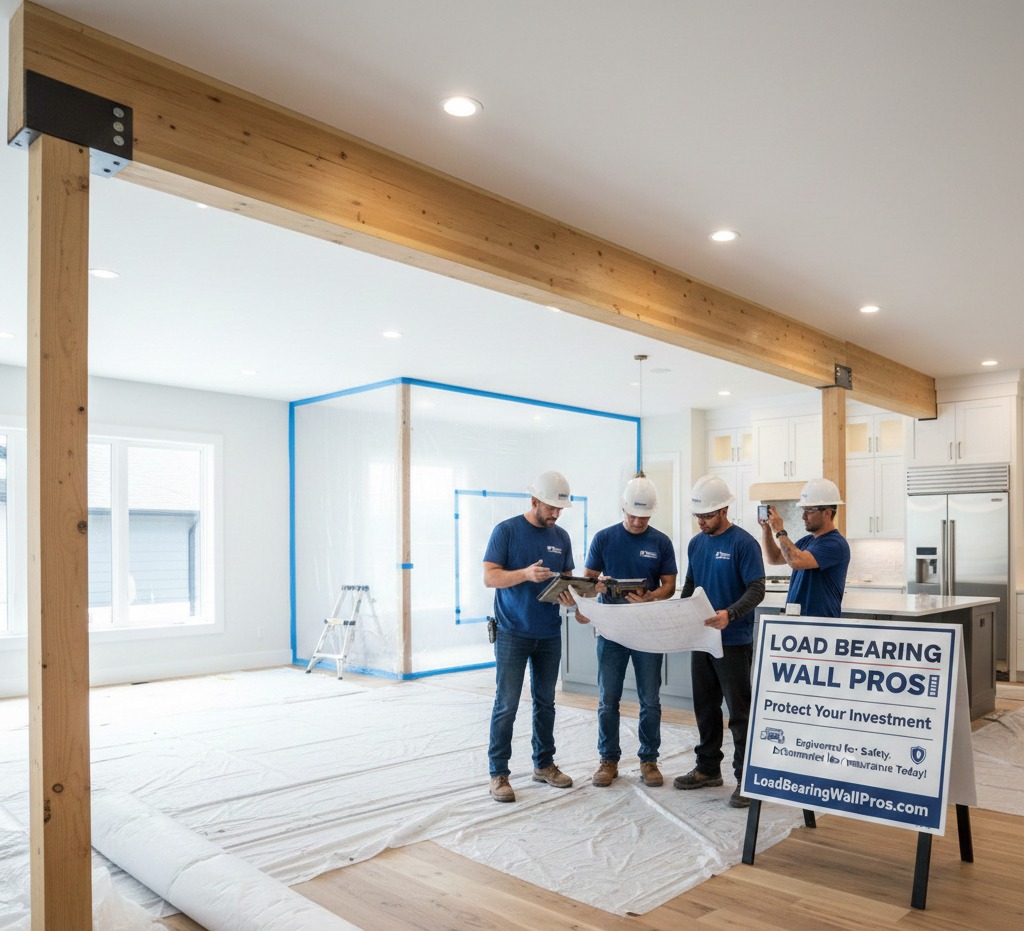
How Insurance Companies Evaluate Load Bearing Wall Projects
The structural integrity of a home is directly tied to load distribution. A load bearing wall supports the weight of anything above it, which means that removing it must be done with engineering oversight. Insurance companies evaluate these factors carefully when determining how to classify the renovation.
Engineering Plans Act as Proof of Safety
Every structural project must begin with stamped engineering drawings. These plans outline:
- the load carried by the original wall
- the correct beam size and material
- the placement of posts and supports
- how temporary supports transfer loads during construction
- whether floor or foundation modifications are required
Insurance carriers rely on these documents because they provide the technical basis for the modification. They validate that the new structural configuration was designed correctly, not guessed or improvised.
Work Must Be Performed by Qualified Structural Contractors
Insurance carriers know the difference between a general remodeler and a structural specialist. A contractor who handles framing every day understands how beams, joists, and loads behave. A general remodeling contractor might not have that training.
Using a structural specialist ensures:
- accurate load transfer
- correct installation of temporary supports
- precise cutting of the load bearing wall
- safe seating of the beam
- proper alignment and fastening
If a claim is ever filed, proof that the work was performed by structural experts can significantly speed up the process.
Materials That Perform Predictably Are Favored
Engineered beams such as LVL and steel are preferred by structural engineers because they perform reliably across environmental conditions. Their consistency is also respected by insurance carriers who want to minimize risks associated with movement or deformation.
For homeowners who want scientific insight into how wood behaves under different loads and moisture levels, the USDA Forest Products Laboratory offers one of the most comprehensive resources available. The national Wood Handbook explains how engineered materials maintain long-term stability.
Using engineered beams provides a safer, more predictable structure, which aligns with insurance expectations.
How Structural Work Interacts With Coverage, Premiums, and Future Claims
Many homeowners wonder whether modifying a load bearing wall will affect their home insurance policy. While insurance companies vary in how they categorize renovations, most policies treat properly engineered structural work as a neutral or positive improvement.
Claims After Structural Work Depend on Documentation
If damage occurs in the future, the insurance carrier may need to understand how the structure was modified. When homeowners can provide engineering plans, contractor details, and inspection results, insurers can quickly determine the cause of damage and approve qualified claims.
Without documentation, insurers may require additional inspections or structural reports, which can slow down the process.
Premiums Rarely Increase Because of Structural Changes
Most premium changes happen when the value of the home increases significantly. Removing a load bearing wall does not typically trigger a premium adjustment on its own. However, if the renovation also includes:
- a kitchen upgrade
- new flooring throughout
- expansion of finished square footage
- luxury finishes
then replacement cost calculations may increase. The structural change is simply one part of a larger improvement.
Coverage Adjustments May Be Recommended After Major Renovations
If your load bearing wall modification dramatically changes the shape or size of a room, your insurer may recommend a review of your replacement cost. This ensures that no part of your home is underinsured. A simple phone call with documentation from your structural contractor is usually enough.
Because insurers rely on clear engineering, stable installation conditions, and precise documentation, timing your structural project can meaningfully strengthen your long-term insurance record. Winter naturally provides the controlled environment insurers prefer, which is why many homeowners choose this season for load bearing wall modifications.
Why Winter Is a Strategic Time for Structural Work and Insurance Planning
Structural work and insurance planning go hand in hand. Any change to a load bearing wall must be engineered, documented, and executed in a controlled environment so future claims are clear and unquestionable. Winter offers conditions that make this easier for both homeowners and insurers.
Winter Provides Stable Indoor Conditions That Support Structural Accuracy
Accurate installation matters not only for safety, but for future insurance verification. When humidity levels are high, wood framing expands and contracts more noticeably, which can introduce small movements after a beam is installed. Winter’s dry, consistent indoor air reduces that risk.
This stability helps prevent issues that insurers might question later, such as:
- nail pops
- drywall cracks
- minor shifts in the beam seat
- seasonal movement
A structurally calm environment makes the installation cleaner and gives insurers clearer evidence that the work was performed correctly.
Winter Projects Improve Your Timeline for Insurance and Renovation Planning
Structural modifications often kick off a larger renovation. Completing the structural phase in winter means that:
- engineering plans are completed early
- documentation is finalized before peak season
- insurers can update replacement cost values before major upgrades begin
By the time spring arrives, homeowners can move immediately into cosmetic upgrades without waiting for overbooked trades, inspectors, or engineers.
Winter Scheduling Often Makes Documentation Faster and More Complete
Insurance carriers rely heavily on clear records. Winter tends to offer:
- faster engineering turnaround
- easier appointment scheduling
- fewer delays in gathering structural photos and documentation
- shorter overall project timelines
This makes it easier to produce the organized, time-stamped documentation insurers prefer.
Indoor Structural Work Continues Smoothly Regardless of Weather
Because load bearing wall removal happens entirely indoors, winter weather has little impact on:
- material protection
- tool performance
- photo documentation for insurance files
- engineer or inspector visits
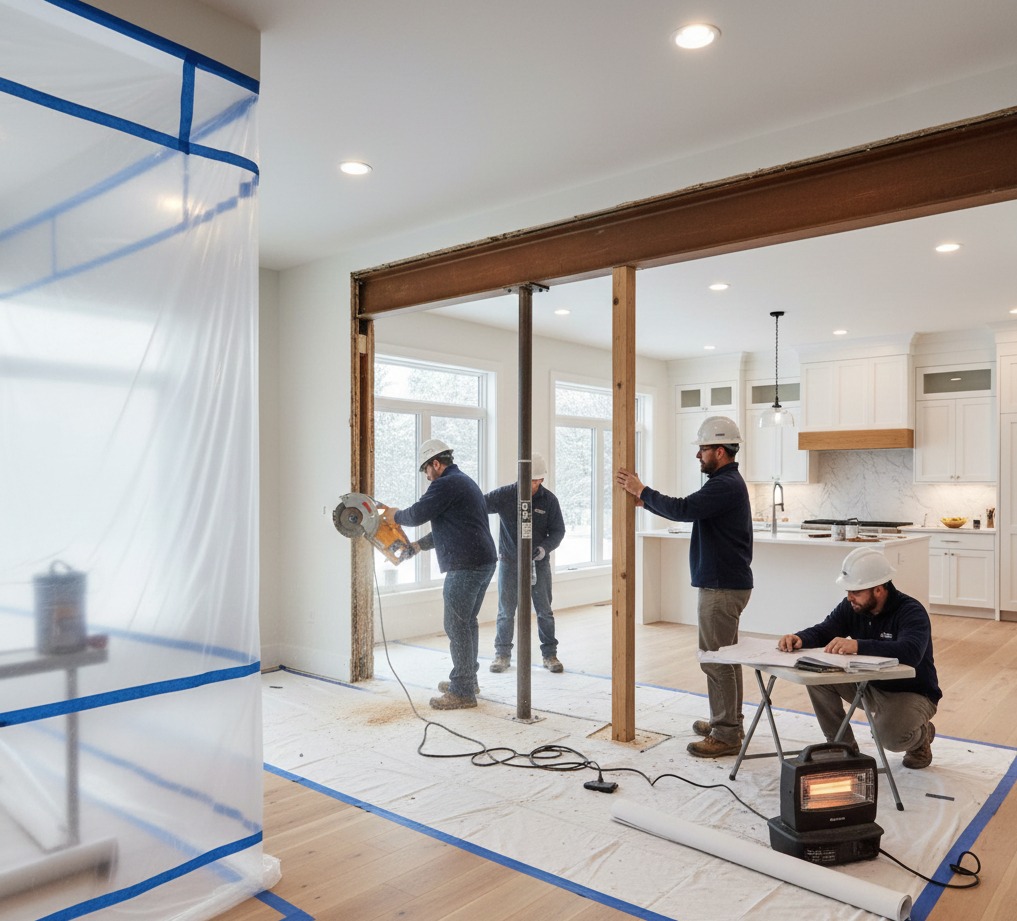
Structural teams set up containment barriers, floor protection, and temporary heaters when needed, creating a controlled environment where all work can be documented cleanly and consistently. This ensures that your insurance records reflect the project accurately without weather-related interruptions.
How Load Bearing Wall Pros Protects Your Structure and Insurance Position
Structural work is our core focus. Depending on the level of service selected, we may complete only the structural phase or manage additional finishing work as part of a full remodel, while coordinating with licensed trades as needed.
Structural Assessment and Engineering Coordination
Every project begins with a site visit. A specialist evaluates framing, identifies whether the wall is load bearing, and reviews your long-term renovation goals. When the assessment is complete, we coordinate with a third party licensed engineer who develops the stamped drawings required for the project.
Worksite Preparation and Home Protection
In winter, preparing the work zone is especially important. We install plastic protection walls, floor coverings, dust management systems, and temporary heating if the space requires its own temperature control. These steps allow you to live comfortably in your home while the structural work is completed.
Safe Installation of Temporary Supports and Beams
Temporary supports hold the weight of the home while the wall is removed. These supports must be correctly aligned, leveled, and verified before demolition begins. After the wall is opened, the beam is lifted into position and secured according to the engineer’s specifications.
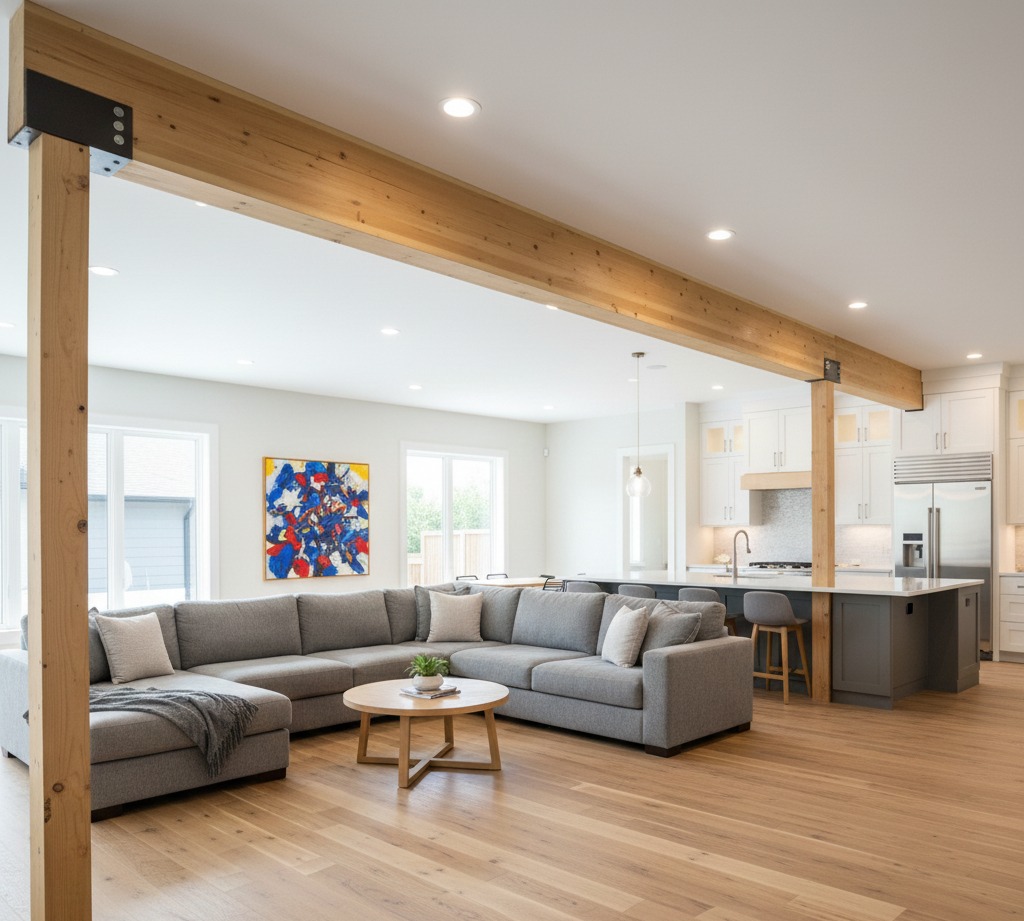
When the work is complete, the structure begins using its new load path, creating a safer and more open environment.
Common Questions About Load Bearing Wall and Home Insurance
Is structural work covered by homeowners insurance?
Insurance does not pay for elective renovations. However, after the work is done, the improved structure is fully covered against qualifying damage as long as the project was engineered and properly documented.
Do I need to inform my insurer before removing a load bearing wall?
Most insurers do not require notification beforehand, but informing them afterward is wise, especially if the renovation increases the value or square footage of the home.
Will my premium increase because of structural work?
Structural work alone rarely increases premiums. Premium changes are typically tied to replacement cost or major finish upgrades.
Can poor structural work affect future insurance claims?
Yes. If an insurer determines that damage was caused by improper or undocumented structural modifications, coverage may be limited. Using specialists prevents this issue entirely.
Start Your Structural Project With Confidence
Your home is a long-term investment, and structural integrity is one of the most important parts of protecting that investment. When handled professionally, a load bearing wall modification can improve safety, enhance value, and create a layout that truly supports the way you live. Winter is often the smartest time to begin, because it offers stable indoor conditions and easier scheduling.
Contact Load Bearing Wall Pros to schedule your structural consultation. Your structure, your safety, and your long-term insurance protection all begin with the right plan.
About the Author
Jason Hulcy, the founder of Load Bearing Wall Pros, is a seasoned expert in wall removal and home renovations. With a passion for innovation and sustainability, he has helped countless homeowners achieve their dream spaces safely and efficiently. Learn more about his expertise here.
Recent posts
-
-
 October 26, 2022